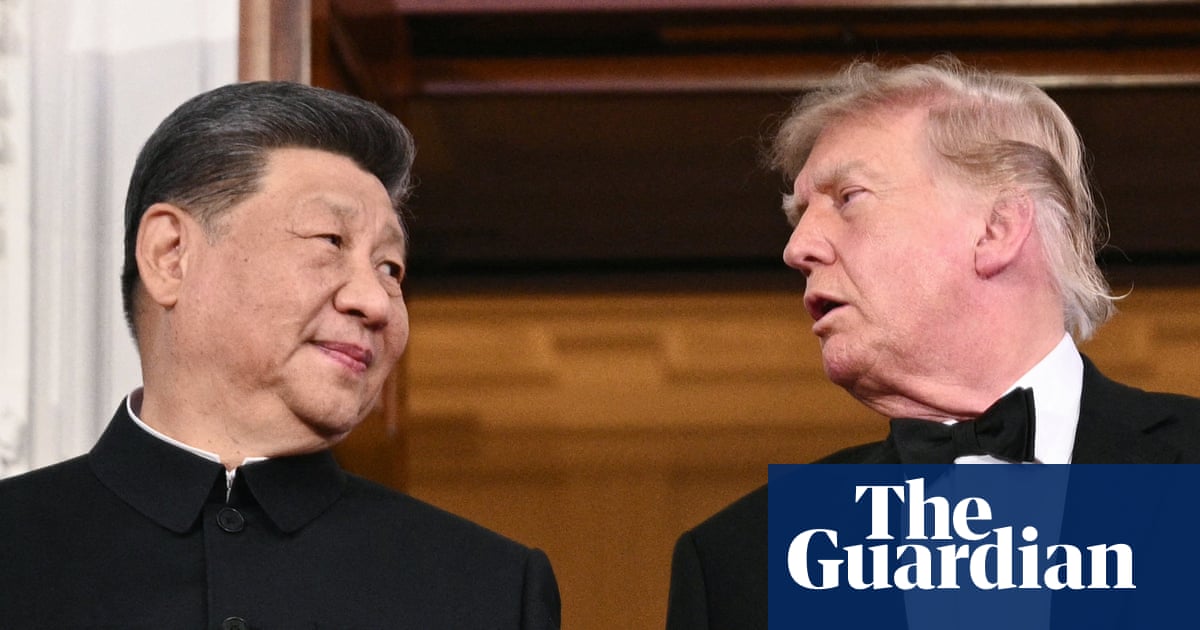

Diplomacy or âÂÂdiplotainmentâÂÂ? Key takeaways from the Trump-Xi summit in Washington
Xi JinpingâÂÂs visit heavy on symbolism but no sign closed-door meeting yielded breakthroughs on thorny issues such as AI, trade, Taiwan and Iran
Donald Trump welcomed Xi Jinping to the White House on Thursday, with talks on AI, trade and a growing US-China strategic rivalry expected to feature on an elaborate state visit that critics say went big on style but lacked substance.
Here are the key takeaways from XiâÂÂs first visit to Washington in more than a decade.
1. Diplomacy or âÂÂdiplotainmentâÂÂ?
Senate Democrats criticised TrumpâÂÂs summit with Xi, saying it prioritised pageantry over substance on the major issues. There was no sign a brief closed-door meeting yielded breakthroughs on the thorny issues of AI, trade, Taiwan and the war with Iran.
Both countries agreed to extend until 10 January an agreement pausing their trade war, but experts said there were few other obvious tangible outcomes.
Xi once again invoked the âÂÂThucydides TrapâÂÂ, an academic theory that competition between a rising power and an established one often results in war. Xi said the risk âÂÂcan be overcomeâ and urged cooperation.
After their meeting, Trump gave Xi a tour of the new helipad he had recently constructed on the White HouseâÂÂs South Lawn. âÂÂHe loves good granite,â Trump told reporters, adding the two men had a âÂÂgreat meetingâ âÂÂwithout elaborating.

Trump shows Xi the new helipad on the South Lawn of the White House. Photograph: Brendan Smialowski/AFP/Getty Images Danny Russel, a former US diplomat serving in the Obama administration, expressed concern that the two leaders spent more time on social and ceremonial events than the actual meeting, which was about 90 minutes.
âÂÂPageantry and protocol donâÂÂt add up to progress. Pandas are cute, but what America needs are rare earths,â said Russel. âÂÂWhat weâÂÂre seeing isnâÂÂt diplomacy so much as âÂÂdiplotainment,â which wonâÂÂt do much to solve the serious problems in the US-China relationship.âÂÂ
2. AI unchecked
AI analysts were forced to read between the lines to gauge the outcome of AI discussions between the pair.
Trump had written in a Truth Social post on Thursday morning that he and Xi would discuss âÂÂsuper intelligenceâ (TrumpâÂÂs newly coined term for AI) but suggested he had little interest in new regulations, despite concerns from industry leaders that AI could eventually pose a threat to humans.
âÂÂSuper Intelligence (SI) will be a big topic of â discussion, but I want to leave it exactly where it is,â Trump wrote. âÂÂThat is ChinaâÂÂs position also.âÂÂ

A glimpse of Trump and Xi Jinping inside the White House. Photograph: Kylie Cooper/Reuters During his comments on Thursday, Xi said both countries must âÂÂensure that the development of AI is always âÂÂunder human controlâÂÂ.
Analysts say intense competition between the two powers in AI is likely to limit the scope for âÂÂanything beyond symbolic agreements.
3. Taiwan and stalled $14bn arms deal
During âÂÂthe afternoon discussion, Xi urged Trump to oppose âÂÂTaiwan independence,â according to a readout from the official Chinese news agency Xinhua. The White House did not immediately provide its own summary.
Xi was expected to press Trump to halt arms sales to Taiwan. After his visit to China in May, Trump said he was holding in â abeyance an arms package to Taiwan worth about $14bn and called it a âÂÂvery good negotiating chipâ â rattling some US allies in Asia.

Trump and first lady Melania Trump welcome Xi. Photograph: Evan Vucci/Reuters In a statement signed by at least 19 â of 47 members of the Senate Democrats caucus, seen by Reuters, âÂÂDemocrats on Thursday called on Trump to âÂÂimmediately deliver the security assistance package Congress has approved â $1.3bn in funds and the $14bn arms sale.
China claims democratically governed Taiwan as its own territory and has not ruled out using force to gain control over the island.
4. Unusual airport greeting
Trump greeted Xi on arrival with a red carpet on the tarmac at Joint Base Andrews, the âÂÂfirst time a US president has welcomed a foreign leader there since Barack Obama met Pope Francis in 2015. Normally, presidents wait for state visit guests to arrive at the White House before offering a formal welcome.

Donald Trump salutes as a B1 bomber flies over the red carpet arrival of Chinese leader Xi Jinping, at Joint Base Andrews in Maryland. Photograph: Brendan Smialowski/AFP/Getty Images For months, Trump has derided Democrats as âÂÂcommunistsâÂÂ, but the presidentâÂÂs welcome for Xi included Chinese flags adorning the roof above the Oval Office alongside US flags.
Despite the fanfare, Trump and XiâÂÂs remarks during the trip were not carried live by any US television networks, which refused to provide footage in protest of the White HouseâÂÂs ban of CNN, MS Now and Politico.
5. Tech billionaires dine out at state dinner
ThursdayâÂÂs state dinner for Xi featured Washington powerbrokers and a cavalcade of billionaires, including: AppleâÂÂs Tim Cook, AmazonâÂÂs Jeff Bezos, AlphabetâÂÂs Sundar Pichai, OpenAIâÂÂs Sam Altman, TeslaâÂÂs Elon Musk and NvidiaâÂÂs Jensen Huang.

OpenAIâÂÂs Sam Altman chats with Meta founder Mark Zuckerberg, as Nividia boss Jensen Huang mingles alongside his wife at the state dinner. Photograph: Brendan Smialowski/AFP/Getty Images First lady Melania TrumpâÂÂs menu featured yellow squash velouté, sesame-crusted sea bass and a vanilla crémeux with sour cherry confit.
In a continuation of TrumpâÂÂs beef with certain media outlets, CNN and MS Now reporters were barred from attending. While outside the gate, a group of loud protesters shouted slogans like âÂÂChina out â of Hong Kongâ that were clearly audible to the leaders â as they posed for pictures on the red-carpeted White House steps.


Reuters and Associated Press contributed to this report