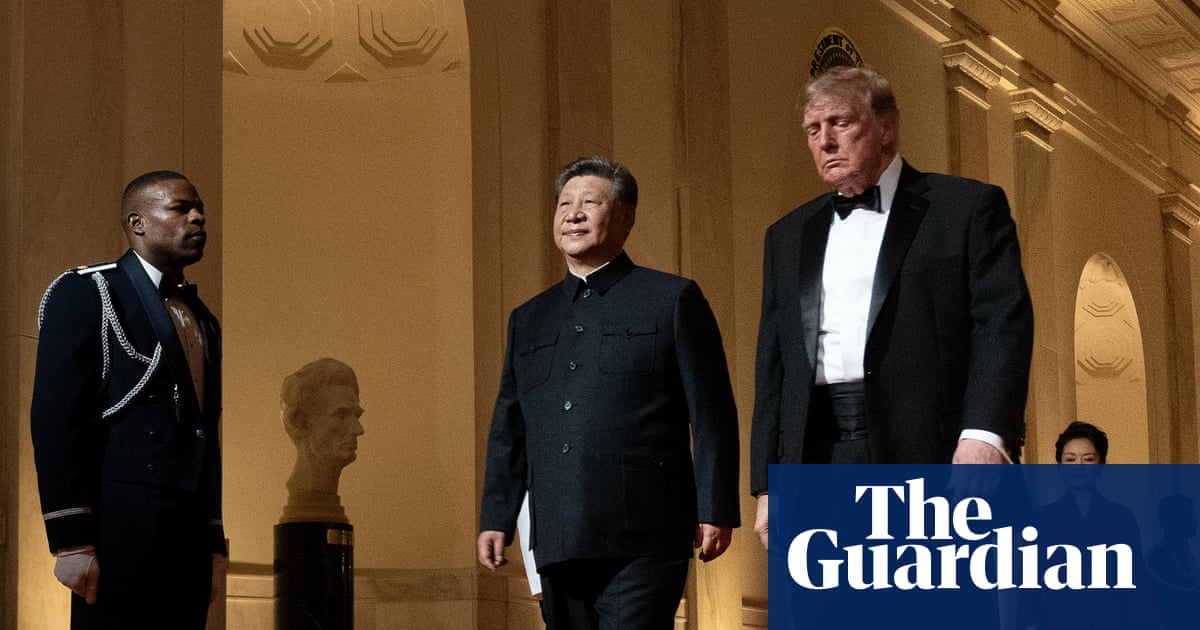

Pomp over progress as Trump rolls out red carpet for ChinaâÂÂs president Xi Jinping
While the US president hailed the visit as âÂÂgreatâÂÂ, almost nothing of substance was achieved, which was a win for Xi
If the Beijing meeting between Donald Trump and Xi Jinping in May was the âÂÂstalemate summitâÂÂ, the second round of talks between the presidents of the US and China this week seemed to give up entirely on the idea of breakthroughs.
Instead, it was dubbed a celebration of âÂÂdiplotainmentâ rather than diplomacy, where pomp prevailed over progress, and where one of the main outcomes was the news that two giant pandas would soon be sent from China to the Atlanta Zoo.
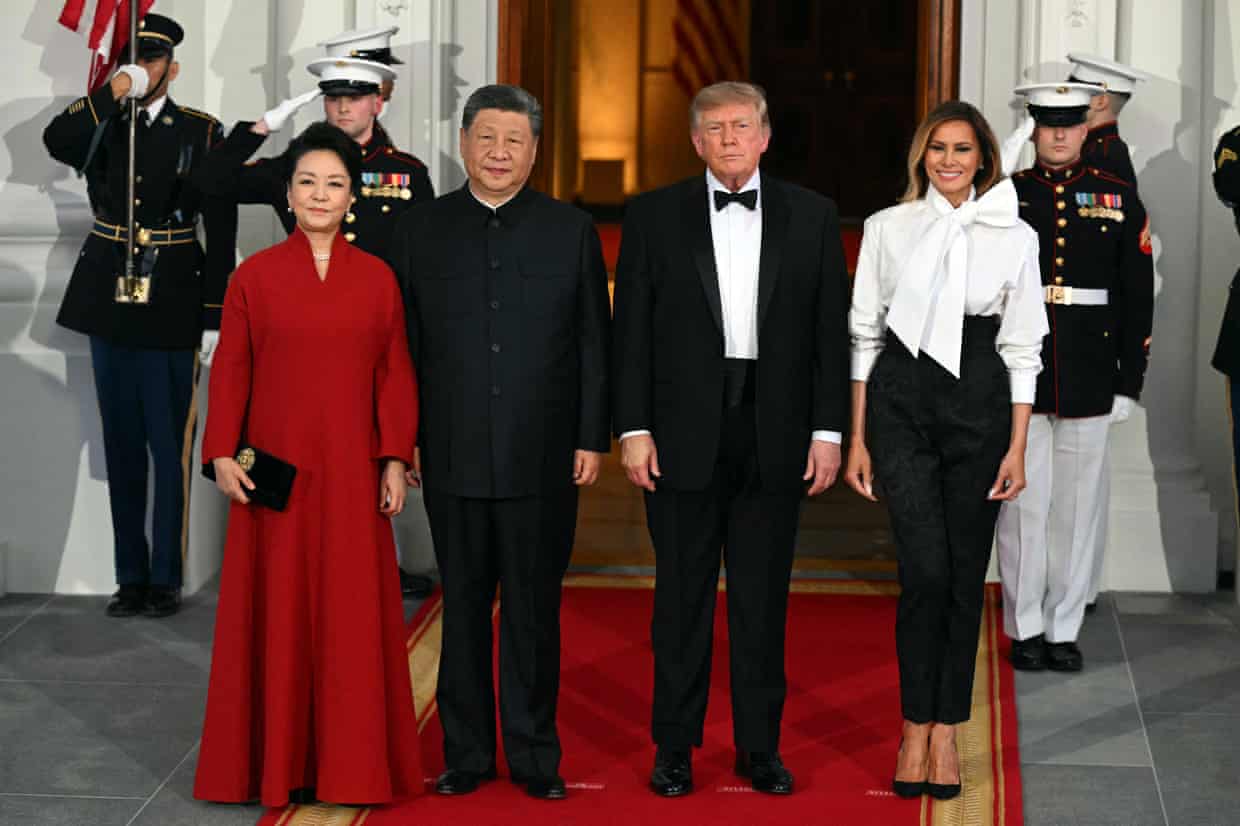
Trump rolled out the red carpet for Xi when he landed on Wednesday, and broke with decades of precedent to meet the Chinese leader at Joint Base Andrews. Thus began a three-day state visit which involved a tour of TrumpâÂÂs new helipad, the Marine One helicopter, and a 90-minute meeting which Trump described as âÂÂgreatâ and which revealed, according to Trump, that Xi âÂÂhas great interest in graniteâÂÂ.
âÂÂThe biggest takeaways is that Trump has been displaying an extraordinary degree of deference to Xi Jinping,â said Julian Gewirtz, who served as a senior China official in the Biden administration.
But what of actual substance? Expectations going into the summit were low. But the outcomes somehow still fell short.
One of the biggest issues in the US-China relationship is trade. Last year, as Trump unveiled successive rounds of tariffs on Chinese goods, the White House accused China of unfair practices that contributed to the loss of 3.7m US jobs and inflated the trade deficit. The tariffs were supposed to suppress the volume of Chinese imports to the US and put pressure on China.
To some degree, they worked. The US trade deficit with China in 2025 fell to $200bn, down from nearly $300bn in 2024. But experts have noted that some of this shortfall is made up for by Chinese goods being shipped to the US via third countries, a trend underlined by the fact that ChinaâÂÂs trade surplus surpassed a record $1tn last year.
With the US and China accounting for 43% of global GDP, their trade war has far-reaching implications for the world economy. So it was a relief not just to Beijing and to US consumers when the two countries agreed a temporary truce in Busan last year.
That truce is due to expire in November. China, where the economy is heavily reliant on exports, was reported to be pushing for the truce to be extended until the end of TrumpâÂÂs term, in January 2029.
On Thursday, it was revealed that XiâÂÂs first state visit to the US in over a decade had resulted in a mere two-month extension. That reflects âÂÂthe lack of preparation for this summit beyond the pomp and circumstance,â said Neil Thomas, a senior fellow at the Asia Society.
âÂÂThis summit largely achieved symbolism and ritualism over substance. That is very clear,â said William Yang, a senior analyst at the International Crisis Group. The short extension âÂÂreflects the level of fundamental differences that still exist between the two countries over a variety of issues.âÂÂ
ChinaâÂÂs most powerful response to TrumpâÂÂs tariffs was the decision to block the export of rare earths, critical minerals vital to US manufacturing and military supply chains. That seemed to skewer TrumpâÂÂs leverage over China.
âÂÂBeijingâÂÂs retaliation ⦠seems to have had a profound effect on [Trump] and his administrationâÂÂs willingness to take risks vis a vis China,â said Gewirtz.
Apart from the trade war agreement, the summit failed to achieve any meaningful progress on thorny issues in the US-China relationship such as artificial intelligence, Taiwan, the wars in Iran and Ukraine, and human rights.
On Taiwan, which Beijing considers to be the most important issue in the relationship, Xi put pressure on Trump to weaken the USâÂÂs support for the self-governing island that China claims as its own. According to the Chinese readout of the X-Trump meeting, Xi told Trump that he hoped âÂÂthe US side will adhere to the correct position of opposing Taiwan independenceâÂÂ.
For the US to state that it âÂÂopposesâ Taiwanese independence would be a rhetorical shift from the current position of âÂÂdoes not supportâ such a claim, and would be a move welcomed by Beijing. Trump has not yet commented on whether he agreed to such a statement. But it does seem he is no closer to approving a $14bn arms sale package for Taiwan, a sale which Beijing would like to see disappear completely.
On Thursday, US Senate Democrats lambasted Trump for opting for âÂÂpageantry over purposeâ and for failing to deliver agreements on âÂÂthe economic and security issues that will shape AmericaâÂÂs futureâÂÂ. Trump ignored recent warnings about the dangers posed by AI, writing on social media on Thursday: âÂÂI want âÂÂto leave it exactly where it isâÂÂ, adding: âÂÂThat is ChinaâÂÂs position also.âÂÂ
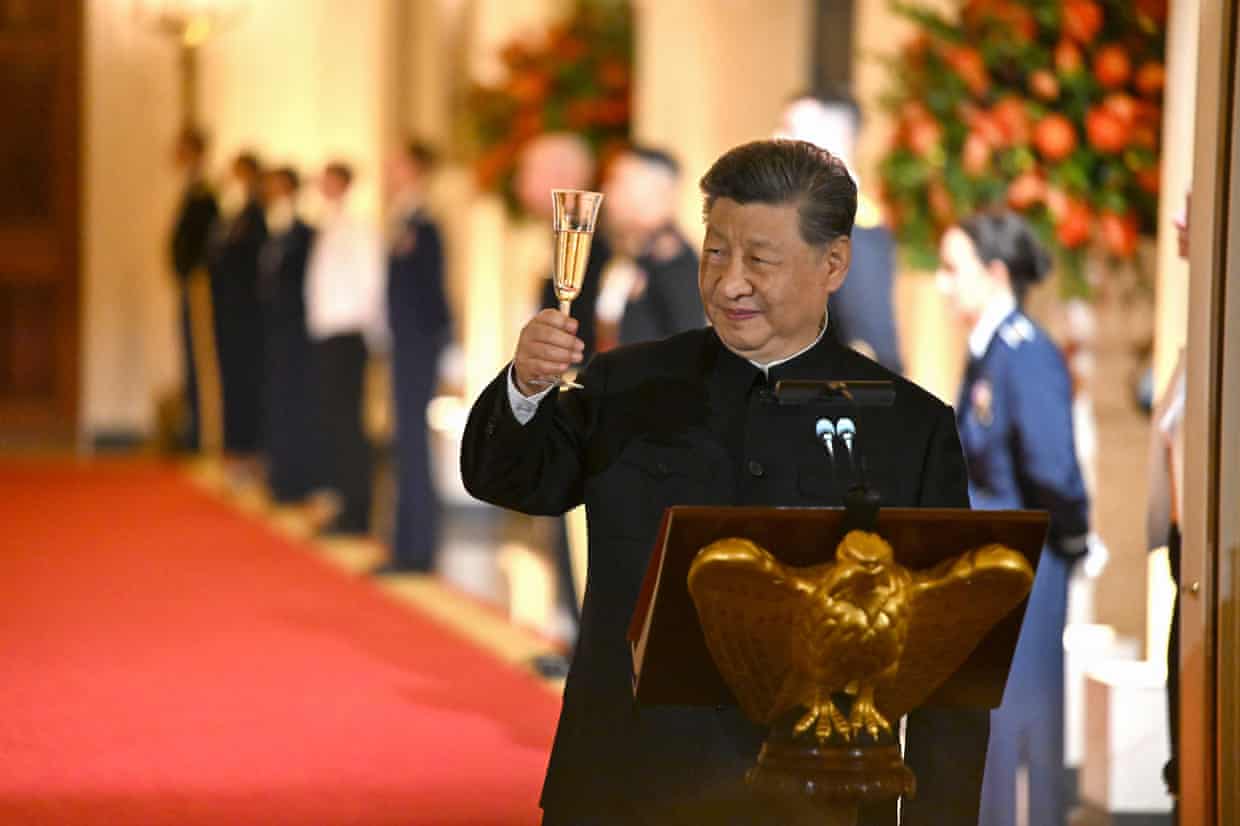
For China, the lack of big news from the visit is a win in itself. âÂÂThe summit went excellently from the Chinese perspective,â said Thomas. Xi âÂÂgot a huge amount of respect from the American president, the full state visit treatment [and] really great images beaming back to China of the Chinese and the American presidents interacting as peers on the global stage without having to make any meaningful concessions or compromises.âÂÂ