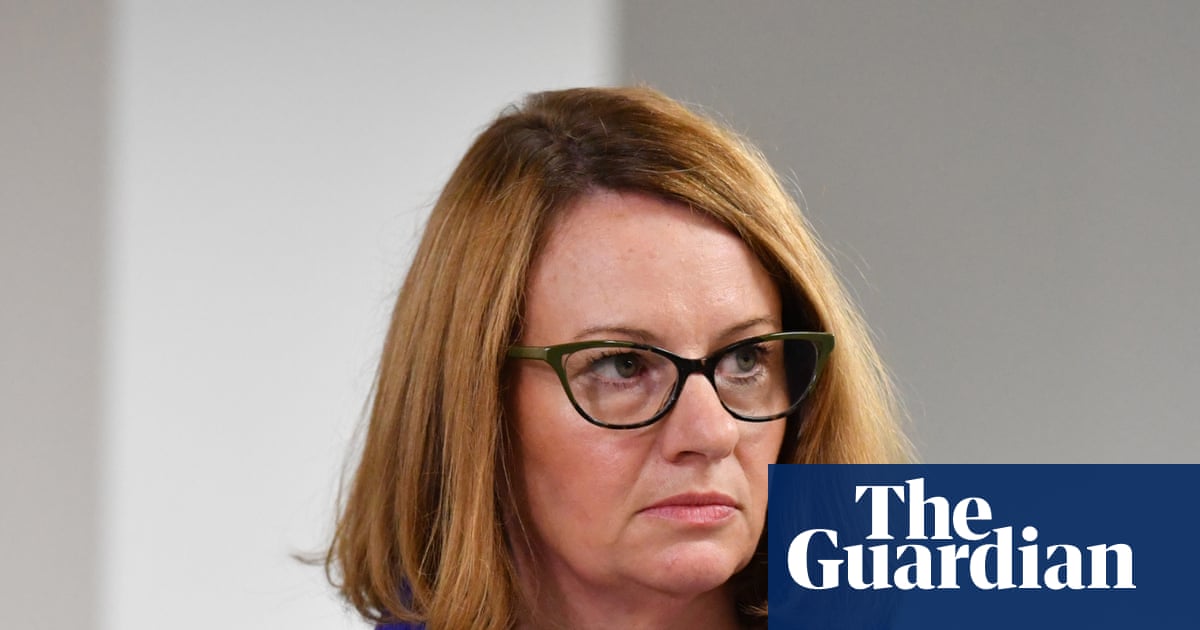

AustraliaâÂÂs outdated technology is vulnerable to AI hacking attacks, signals chief says
Abigail Bradshaw says âÂÂenormousâ amounts of money required to update systems that people now expect to be constantly available
-
Get our breaking news email, free app or daily news podcast
One of AustraliaâÂÂs top intelligence agencies has warned that AI attacks could exploit the countryâÂÂs old technology, as the government negotiates its guardrails on artificial intelligenceâÂÂs rapid development.
The chief of Anthropic, developer of Claude, has warned AI bots could swarm the internet within a year and called to âÂÂslow the paceâ of development with support from the head of OpenAI and Elon Musk.
Abigail Bradshaw, the director general of the Australian Signals Directorate, said her agency did not know how many AI agents were active on the internet.
âÂÂI think that prospect of getting some sort of definition or calculation of how these agents are out there is really remote,â Bradshaw said while speaking to the Sydney Dialogue summit in Canberra on Monday.
âÂÂAnd I would just say: a lot.âÂÂ
She said Australian governments and businesses would have to spend âÂÂenormousâ amounts to update their vulnerable outdated technology, taking offline systems that Australians had come to expect would be available all the time.
AnthropicâÂÂs chief executive, Dario Amodei, recently called for independent assessors to interrogate AI companiesâ models and for US government permission for leading AI companies to coordinate without being punished for anti-competitive collusion. Bradshaw called for national security agencies to be involved in the independent interrogation.
The Greens demanded the government legislate mandatory safety testing and transparency obligations for the most developed AI systems on Monday but their motion for debate was rejected by Labor senators.
LaborâÂÂs Andrew Charlton, the assistant technology minister, told the Sydney Dialogue he took the companiesâ warnings seriously but did not want them or the US to be responsible for setting the guardrails around AI.
âÂÂI donâÂÂt think we should care very much about what individual chief executives say or what individual executives claim they want to happen,â Charlton said.
Charlton said the Albanese government would set its forthcoming guidelines for AI companies to cover the range of âÂÂextremely dangerousâ and more benign possibilities being forecast.
The laws are expected early next year. AnthropicâÂÂs chief lawyer, Jeff Bleich, told MondayâÂÂs summit the company had been âÂÂheartenedâ by the strong support for its calls and said Australia would need to play a role in setting the rules.
âÂÂI donâÂÂt think it makes any sense that something this important would be decided either by company executives or by leaders in only two countries,â Bleich said.
âÂÂItâÂÂs just important for the model developers not just for social licence, which is critical, but also some legal certainty.
âÂÂIt wonâÂÂt be easy to get these things done but it actually makes it better to come to Australia.âÂÂ
But Bleich said Anthropic believed rules were needed within months as the technology developed at an exponential pace.
One of the factors affecting companiesâ interest in Australia has been access to copyright-protected material produced by local creatives so it can train its models. The industry minister, Tim Ayres, told the summit the government wanted local training but remained unwilling to reduce copyright protections.
OpenAIâÂÂs vice-president for global policy, Ann OâÂÂLeary, said her company was in âÂÂregularâ and âÂÂdeepâ conversation with the government about the copyright rules but was âÂÂvery eager to have a bigger and broader relationshipâÂÂ.
âÂÂI donâÂÂt have to tell any of you how important Australia is from a geopolitical standpoint,â OâÂÂLeary told the summit. âÂÂWe very much recognise that having a diversification of where we train is going to be important as you move forward.âÂÂ
She said OpenAI wanted to ensure creators could keep creating.
Andrew Hastie, the CoalitionâÂÂs industry spokesperson, warned the summit Australia would be vulnerable in future conflicts if it could not get advanced companies to locate themselves in Australia, calling for a formal deal with the US.
The government is already using ClaudeâÂÂs advanced Mythos model. Paul Robards, a data expert at AustraliaâÂÂs department of defence, downplayed the likelihood of Australia developing frontier technology.
âÂÂWithout a sovereign AI frontier model here in Australia, we are going to be a supplicant state, not a sovereign state,â Hastie said.
âÂÂWe need to work on a way to get a hyperscaler down under ⦠I think working with the United States, through Aukus if we want to use that frame, is the pathway.âÂÂ