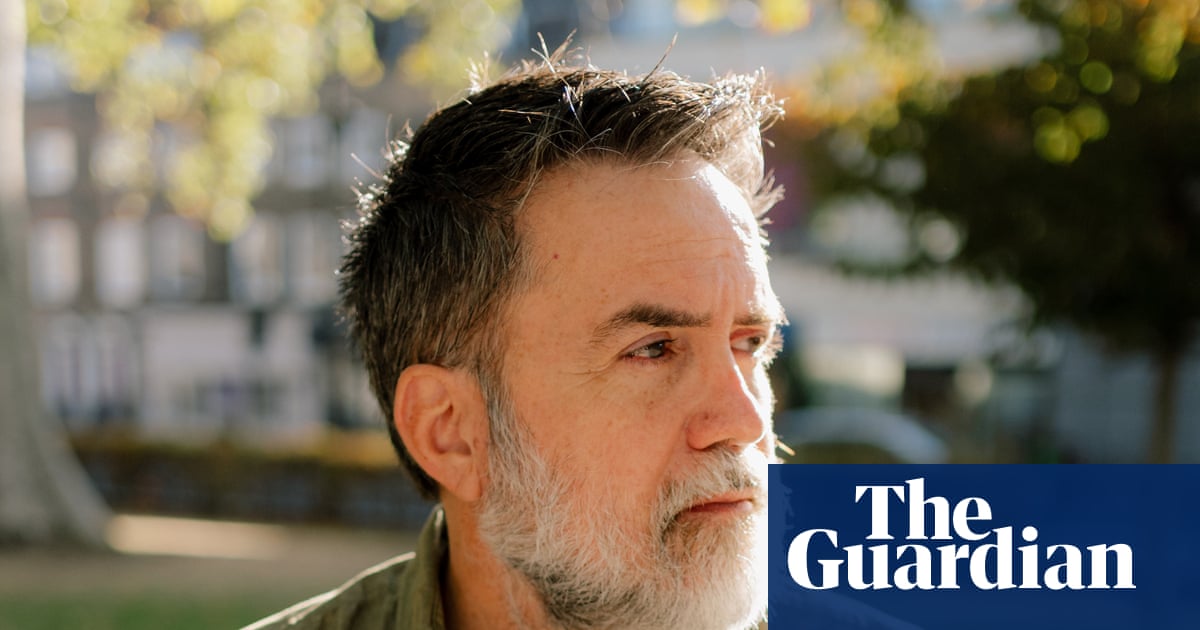

Why Arturo Béjar left Meta â and blew the whistle: âÂÂI donâÂÂt recall Mark ever being empatheticâÂÂ
BéjarâÂÂs daughter was 14 when she told him Instagram was failing to keep her safe. So when he became part of MetaâÂÂs âÂÂwellbeing teamâÂÂ, he knew he had to speak out â and his testimony cost it billions
The Social Reckoning hits cinemas this Friday, but the real world has already been working on a sequel â or rather, a threequel. Directed by Aaron Sorkin, the movie is a follow-up to The Social Network, detailing the further misadventures of Mark Zuckerberg and his social media empire, and in particular Frances Haugen, the employee who in 2021 leaked internal documents that appeared to show Facebook was aware of the harms its products had inflicted.
ItâÂÂs no spoiler to reveal the film climaxes with HaugenâÂÂs testimony to the US Senate, on 5 October 2021. That very same day, Arturo Béjar, a consultant on the wellbeing team of Instagram (which is also owned by Facebook), hit send on a long-gestating email to Zuckerberg and other senior Facebook executives on a similar theme. âÂÂI wanted to bring to your attention what I believe is a critical gap in how we as a company approach harm, and how the people we serve experience it,â Béjar began, before laying out some shocking statistics from his teamâÂÂs survey. For example: 24.4% of 13-15-year-olds on Instagram said they had received unwanted advances, and 21.8% said they had been the target of bullying on the platform in the past seven days. Furthermore, 51% of Instagram users said they had had a bad or harmful experience in the past seven days. Only 1% of them reported it, and of those, 2% had the content taken down â so just 0.02%. This was a far greater degree of harm than the companyâÂÂs existing measurements suggested. Zuckerberg never replied.
By that time, Béjar had worked at Facebook (which rebranded as Meta later that month) for a total of eight years. He had learned how to communicate with Zuckerberg. âÂÂYou couldnâÂÂt talk to Mark about, âÂÂWe have to do this thing to prevent suicide because itâÂÂs the right thing to do,âÂÂâ he says. âÂÂYou had to put everything in terms of metrics. That was his language. ThatâÂÂs how he related to things, which is also whatâÂÂs behind all the grief in the world right now.âÂÂ

Béjar has seen The Social Reckoning, and he recognises Jeremy StrongâÂÂs portrayal of Zuckerberg as a detached, awkward, humourless control freak all too well. âÂÂOh, itâÂÂs accurate,â he says. âÂÂI donâÂÂt recall him ever being empathetic to the harm that somebody was experiencing and wanting to make that better ⦠The only thing that really consistently came across in all my interactions with him was winning. HeâÂÂs one of the most fiercely competitive people I know.âÂÂ
One time, Béjar recalls, he and Zuckerberg were walking together after a fraught meeting. âÂÂOne of the things that I used to say when bad things were happening is, âÂÂAre we having fun yet?â Just as a little kind of defusing humour thing,â says Béjar. âÂÂAnd he looked at me, very intense, and said, âÂÂIâÂÂm not here for fun â IâÂÂm here for impact.â That was my experience of him, over and over and over again.âÂÂ
That 2021 email was the beginning of the end for Béjar. He was still hoping Zuckerberg would respond to his appeal to engineer a âÂÂculture shiftâ in the way Instagram dealt with protecting its young users. The next day, however, Zuckerberg issued a statement to Facebook employees about HaugenâÂÂs testimony and the leaked âÂÂFacebook Filesâ that were being reported by the Wall Street Journal and others. âÂÂAt the heart of these accusations is this idea that we prioritise profit over safety and wellbeing. ThatâÂÂs just not true,â Zuckerberg wrote. But by then Béjar knew it was true.
By 2023, Béjar was following in HaugenâÂÂs footsteps and testifying to the US senate himself. He has testified under oath against Meta at least seven times since, by his reckoning, in various trials and hearings. The most recent, and consequential, was the landmark trial in California in August, brought by the attorneys general of 29 US states, which alleged once again that Meta knowingly designed products that were addictive and harmful to minors. In his testimony, Béjar stated: âÂÂYou just cannot trust Mark Zuckerberg with kids.âÂÂ

In many respects Béjar is the perfect witness: sincere, calmly spoken, emotionally literate, able to express complex ideas in accessible ways, and possessing reams of inside knowledge. HeâÂÂs seemingly the opposite of Zuckerberg. At times during our conversation, as we sit outside a cafe in north London, he has to pause mid-sentence, his eyes welling with tears. He apologises afterwards for getting emotional, but that seems to be exactly what these issues demand.
ThereâÂÂs another reason Béjar has been such a powerful spokesperson: he has a direct connection to the issues, via his teenage daughter. When she was in her early teens, in about 2018, she told him she regularly received sexist comments and unsolicited nude photos from men via her Instagram account. Her female friends experienced the same thing. There was no point reporting it, she told him, because it never resulted in any meaningful action. Commenters might get blocked â after which they would simply open a new account under a different name â or Instagram would judge that the behaviour didnâÂÂt violate their policies.
Until that point, like many early Facebook employees, Béjar believed he was making the world a better place. When he started in 2009, the company was booming and the idealism was infectious. âÂÂThe promise was, weâÂÂll create something that keeps you close to your friends. I think a lot of people back then believed in that. And thatâÂÂs not what they built.âÂÂ

Béjar, 55, was an early tech enthusiast. Born in Mexico City, the son of a doctor father and an artist mother, he taught himself to code and blagged his way into a job with IBM when he was 15. He came to Silicon Valley, after a spell in London, in 1993, and worked at Yahoo for 11 years before he joined Facebook.
As senior engineering and product leader at Facebook, Béjar was responsible for security but also for customer care: âÂÂdeveloping tools that help people learn to be with each other onlineâ â especially young people. For example, he developed a more nuanced way for young people to report content they didnâÂÂt like. If the button on Facebook said âÂÂreportâÂÂ, teens tended not to use it, but if it was changed to âÂÂI donâÂÂt want to see thisâÂÂ, three times as many teens would click on it. And if you could grade the intensity of that feeling, from âÂÂmildly annoyingâ to âÂÂreally badâÂÂ, that made it easier to deal with problems.
âÂÂMost people who behave aggressively online, if you give them private, respectful feedback, theyâÂÂre like, âÂÂOh sorry, I didnâÂÂt mean to,âÂÂâ Béjar says. âÂÂAnd thatâÂÂs how we work as a society, right?â He gestures to the pedestrian street around us; people are peacefully going about their business. âÂÂWhat makes this street nice is not that thereâÂÂs police everywhere enforcing our behaviour, itâÂÂs that we have all these ways where we signal to each other what itâÂÂs like to be safe, even though you might have fundamentally different values.â He built more than a dozen Facebook products on that premise, he says, with extraordinary results. âÂÂBasically, half the people change behaviour the first time you go, like, âÂÂYeah, we donâÂÂt do that here.âÂÂâÂÂ
He left the company, amicably, in 2015 because he was going through a divorce and wanted to spend more time with his young son and daughter. By the time he found out about his daughterâÂÂs Instagram experience, other young victims of social media were becoming known. In 2017, 14-year-old Molly Russell died from an act of self-harm in her London bedroom. The coronerâÂÂs report said her depression was exacerbated by her social media consumption, especially Instagram. Wider issues with Facebook were also beginning to emerge: its role in election manipulation, stoking ethnic violence, promoting inflammatory posts.

After raising his concerns with the company, Béjar was invited to return in 2019, on a two-year contract as a consultant on InstagramâÂÂs âÂÂwellbeingâ team. âÂÂI still believed that the reason the stuff that was happening to my daughter and all her friends, and every other kid IâÂÂve talked to since, was because as companies get big, sometimes the general doesnâÂÂt know what the soldiers are doing. That was my thesis for almost all the time I was there: Mark doesnâÂÂt know ⦠and if he knew, he would fix it.âÂÂ
Evidence to the contrary started piling up, though. âÂÂWhat I started finding when I came back is that they did know. They knew about addiction, they knew how bad it was. They knew about Molly Russell.â It later emerged that Facebook had internal research confirming InstagramâÂÂs negative effects on teenage mental health, but had kept it secret. The wellbeing team could not get anything done, Béjar says. âÂÂThey could dream up a good product that would make things better, and they couldnâÂÂt get it out the door. You would put it through the review process and all the teams that would review it would just kill parts of it until there was nothing left.âÂÂ
The ethos had changed, he says. For all the talk about connecting the world and bringing people together, the priority was simply growth, it seemed: attracting more users and keeping them on the platform for as long as possible. Video content was now set to autoplay; notifications were frequent, as were suggestions of other people to follow; âÂÂinfinite scrollâ algorithmically served up content tailored to usersâ continuously tracked habits. All the customer care tools Béjar had previously developed â such as the âÂÂI donâÂÂt want to see thisâ button â had gone.
BéjarâÂÂs team developed a tool aimed at people with a history of posting comments that got reported and deleted â âÂÂthe worst of the worstâ â so that when they posted something inflammatory, they would get a community note telling them: âÂÂYou might want to phrase this differently.â âÂÂWe were in the process of getting that approved. And one of the people in the review meeting said, âÂÂWhat if 50 Cent gets this thing and makes fun of it? We canâÂÂt have that.â That was the driver.âÂÂ
The anecdote chimes with FacebookâÂÂs secretive âÂÂcross-checkâ system, revealed in the Facebook Files, where posts by celebrities, politicians and other high-profile âÂÂbusiness partnersâ were moderated more leniently, even if they violated the companyâÂÂs stated policies.
Had he known what he knows now, Béjar would never have allowed his daughter on Instagram in the first place, he says. âÂÂInstagram is built on three pillars: addictive design, connecting you to strangers, and rewarding you for doing things that are exhibitionistic, performative or aggressive,â he says. None of these are safe or desirable for young people, most people would agree. He compares social media to the tobacco industry: âÂÂThis is the equivalent of handing your kids a cigarette and being like, âÂÂHey, youâÂÂll be cooler if you smoke.âÂÂâ On unwanted sexual advances, he says, âÂÂWhat Instagram is effectively doing is, while your kid is in the bedroom, itâÂÂs lining up strangers outside the window and inviting them in.âÂÂ

Béjar believes that the tone is squarely set by Zuckerberg, as the longtime CEO, chair and controlling shareholder of Meta: âÂÂIf Mark woke up tomorrow and was like, âÂÂI want to create something thatâÂÂs genuinely good for kids,â it would take the company six months to fundamentally shift all these things and drive all these harms down. They have the technology, they have the people, they have the expertise, they have the infrastructure. ItâÂÂs his refusal to do that which creates a culture.âÂÂ
Ultimately, Béjar faced the same dilemma Haugen did. Speaking out meant ending his career, as well as being ostracised from his colleagues and his community. But, he says, âÂÂYou have to ask yourself: who am I protecting? Am I protecting the company or my way of life or my being? Or am I protecting other people? It took me years, to really walk away from the identity that I had developed when I was working there.â He was emboldened by HaugenâÂÂs courageous example and by the treatment she received afterwards: âÂÂInternally, they would call her âÂÂthe leakerâÂÂ. They wouldnâÂÂt say her name.âÂÂ
When approached for comment, a Meta spokesperson said: âÂÂWe all share a common goal of providing safe, meaningful online experiences for young people. Our record shows that weâÂÂve spent the past decade researching and developing numerous tools and resources to support teens and empower parents, including Teen Accounts, which place teens in protective settings by default. WeâÂÂll continue to make improvements and partner with parents and experts to keep teens safe.â Meta has repeatedly rejected implications that engagement stands in contrast to its commitment to teen safety.
Despite its best efforts to contrive a triumphant finale, The Social Reckoning ends on a bit of a sour note. There was no real reckoning for Meta. Donald Trump was re-elected; social media companies forgot about their commitment to fact-checking, Meta included. And ZuckerbergâÂÂs company continues to grow and profit from the digital economy â including the AI economy. Last month, still reeling from the reaction to MetaâÂÂs camera-enabled âÂÂpervert glassesâÂÂ, Zuckerberg unveiled Muse, MetaâÂÂs cute and cuddly AI agent, which can perform personalised tasks such as shopping or sending emails. Even Haugen herself recently admitted: âÂÂWe are worse off today than when I leaked the Facebook documents.âÂÂ
Had they waited until this month, the film-makers might have been able to craft a happier ending. The landmark trial brought by multiple US states in August ended two days after BéjarâÂÂs testimony. Meta abandoned their challenge and settled the case (denying any wrongdoing). The company will have to pay out up to $18bn (ã13.6bn); itâÂÂs a relatively small sum, considering that MetaâÂÂs revenue in 2025 was more than $200bn (ã151.5bn). More significantly, for the first time, the company agreed to major changes to protect teens: two-hour daily time limits for under-18s across Instagram and Facebook; blocking notifications during school hours; blocking the apps at night; turning off autoplay; giving parents greater control; and other safety features.

âÂÂI think itâÂÂs an extraordinary accomplishment,â says Béjar. âÂÂNobody else in the world has got them to agree that they will reduce the hours kids spend on the platform. Or that theyâÂÂre going to be more transparent about how they assess age, or that it will reduce home notifications.âÂÂ
These measures wonâÂÂt fix everything, but theyâÂÂre progress. Meta lost another trial, brought by the US state of New Mexico in March, again over misleading the public about safety, and had to pay $942m (ã713.7m) in fines and damages. There are dozens more cases in the pipeline. Governmental regulation is tightening around the world. Perhaps the tide is turning.
If it is, it will be some relief to Béjar. He has spent much of the past three years campaigning, testifying, talking to governments, academics, regulators. He has other interests beyond the tech world. Even as he was quitting Meta, he was writing the libretto for a musical collaboration with the composer Philip Glass. He is writing an opera based on Charles DarwinâÂÂs theory of emotion in animals, with the British composer Jocelyn Pook. His daughter, by the way, now earns her living restoring classic sports cars.
ThereâÂÂs still work to be done. WhatâÂÂs really needed, Béjar argues, is independent assessment and comparison of the safety of social media sites â the same way we monitor, say, vehicle emissions. âÂÂEvery parent and every kid deserves to know: what is the likelihood that this bad thing is going to happen to you on any of these services?â But at last it feels like things are headed in that direction, he says. âÂÂItâÂÂs still just the beginning, but I do feel hope.âÂÂ