âÂÂSomeone else will do it for lessâÂÂ: Refugees in Kenya are powering tech for dwindling pay
Refugee gig workers for tech companies donâÂÂt know how much theyâÂÂll be paid â if AI hasnâÂÂt already taken their jobs
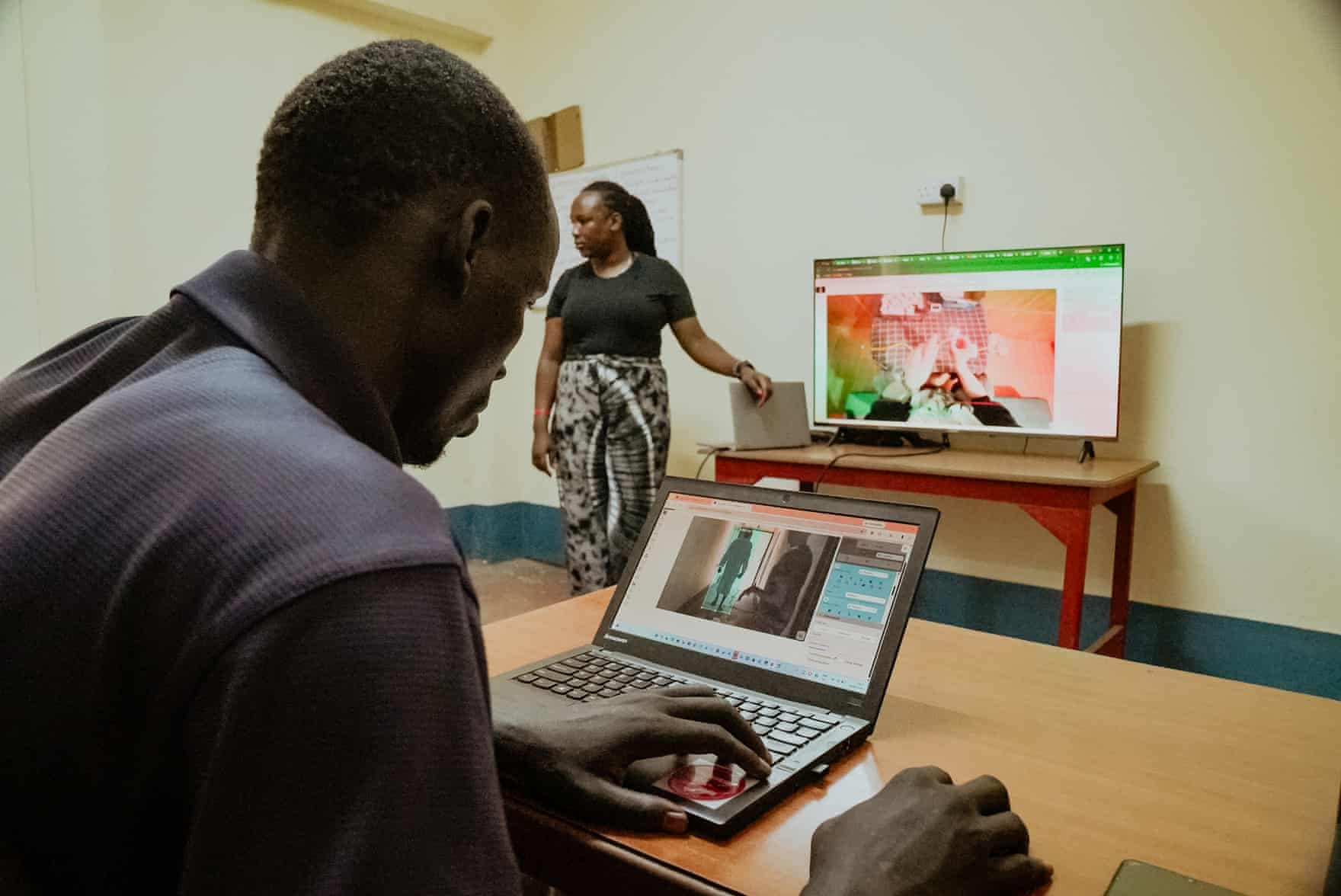
In a portable building in Kakuma, a refugee camp near KenyaâÂÂs northern border with South Sudan, Grace used ChatGPT to research translations of Christian hymns in languages she doesnâÂÂt speak. She didnâÂÂt know the client, the purpose of her work or whether she would be paid, but as a refugee unable to legally work in Kenya, she needed any opportunity she could get.
Grace, who requested anonymity due to a nondisclosure agreement, prompted ChatGPT to translate the hymnâÂÂs English text into the assigned east Asian language. She then used the translation to search for existing versions and find information about its translator, author and Christian denomination. She fed those details to AOP Connect, a crowdsourced research platform owned by British AI enterprise software company RWS.
If RWS deems her work high quality based on six listed criteria, it could award her up to $500 as a âÂÂdiscretionary rewardâÂÂ, according to RWS researcher documents and manuals reviewed by the Guardian. But refugees arenâÂÂt guaranteed wages, and most earn significantly less than the maximum without being told why, said Asha Luka Abdallah, a mentor at the Solidarity Initiative for Refugees (SIR), an organization that trains refugees to work in the tech outsourcing industry.
Remote jobs such as content moderation and data annotation have been promoted as a win-win by United Nations agencies as well as global tech companies: refugees get income opportunities, AI and social media companies get a source of cheap labor.
But interviews with more than two dozen refugees in Kakuma show that only one side has clearly benefited. Tech companies have built some of their most powerful tools on datasets handled by precarious workers, including refugees, in low-income countries. But their pay, which was never high, appears to be vanishing as entry-level tech work disappears. The shrinking number of opportunities is driving some to accept gigs for potential âÂÂrewardsâ rather than guaranteed wages, many said.
âÂÂItâÂÂs one of the things that keeps me awake at night,â Bahana Hydrogene, a Congolese refugee who set up the SIRâÂÂs digital skills programs in 2016, said of the increasingly opaque arrangements for refugees. âÂÂThey canâÂÂt get transparent answers from these companies.âÂÂ
A spokesperson for AOP Connect said the company offers researchers, regardless of location or background, the opportunity to participate in a wide range of projects. The reward structure is communicated âÂÂtransparently upfrontâÂÂ, as is the nature of the copyright research work, but confidentiality is critical to AOPâÂÂs clients, the spokesperson said.
Pay is based on the quality, relevance and timeliness of research submitted, and the AOP Connect platform is âÂÂnot AI-enabled or used for AI-model training workâÂÂ, the spokesperson added.
The âÂÂinvisible architectsâÂÂ
Before Grace could become a qualified researcher, she filled out a questionnaire, agreeing to keep her work confidential and complete tasks by herself. Then she was able to potentially earn money through so-called âÂÂmicroworkâÂÂ, digital tasks broken off of large confidential projects and distributed to remote workers via online platforms.
She logged into AOP Connect to see a list of opportunities and found the hymns research project advertised at $9,000 in rewards available. That figure, however, would be divided among an unknown number of contributors as discretionary âÂÂrewardsâ rather than guaranteed wages, according to a notice displayed on the listing. RWS said higher-quality work leads to higher pay, but there is little transparency about how assessments are made, according to program participants and payment notices reviewed by the Guardian.
Chatbot-assisted research on behalf of mysterious clients offering the chance to win rewards was not what Hydrogene had in mind for when he set up the SIRâÂÂs digital skills programs in 2016. He hoped the booming global outsourcing industry would help refugees earn a guaranteed income.
Some highly skilled refugees in Kakuma have found remote work through outsourcing and freelancer platforms to be a gamechanger. Those who did say they worked as web developers and software engineers interacting directly with clients. But most refugees found themselves limited to performing low-paid microwork such as data annotation for anonymous clients abroad, mediated through platforms like Remotasks, the Scale AI subsidiary that left Kenya in 2024.
Life online in Kakuma
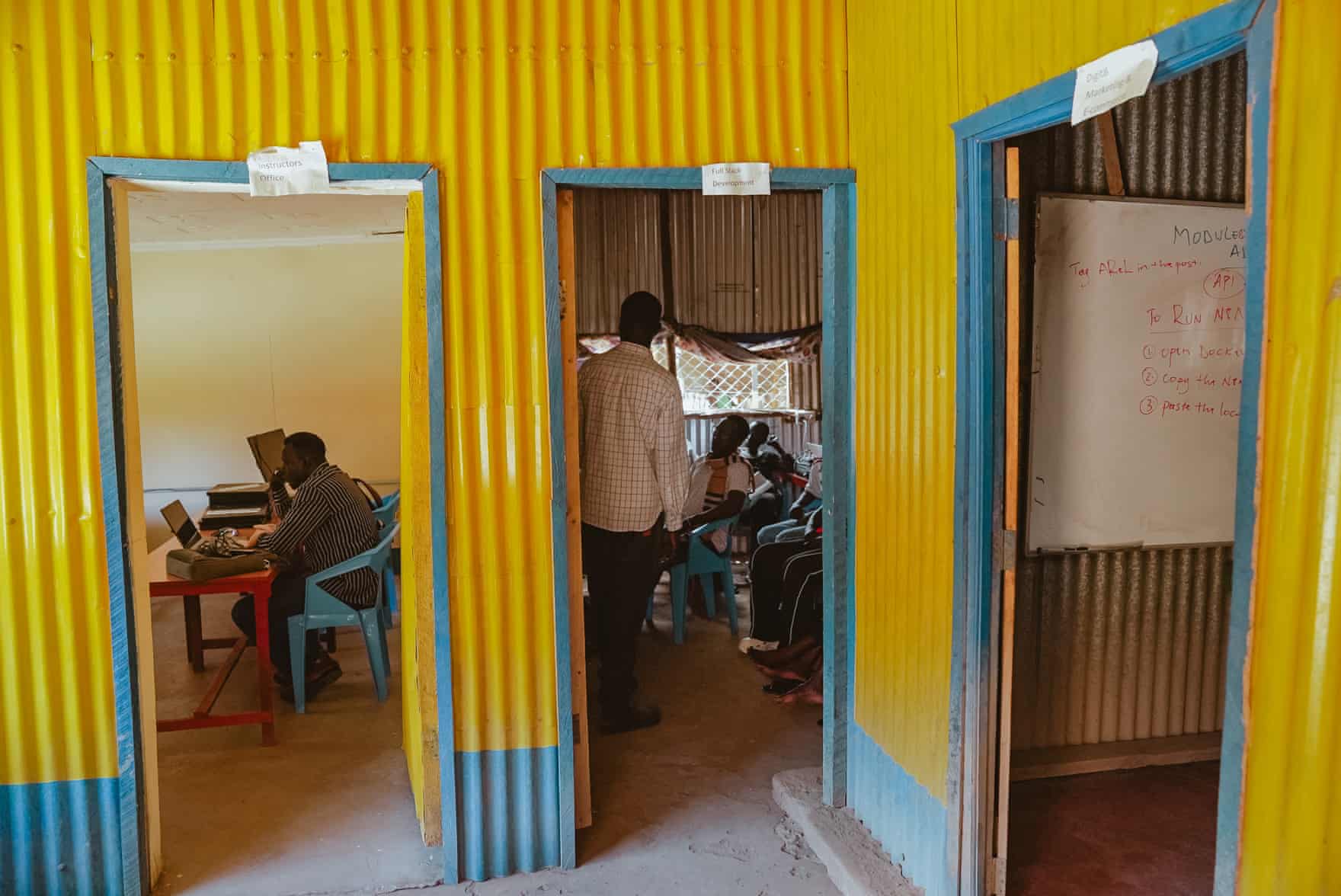
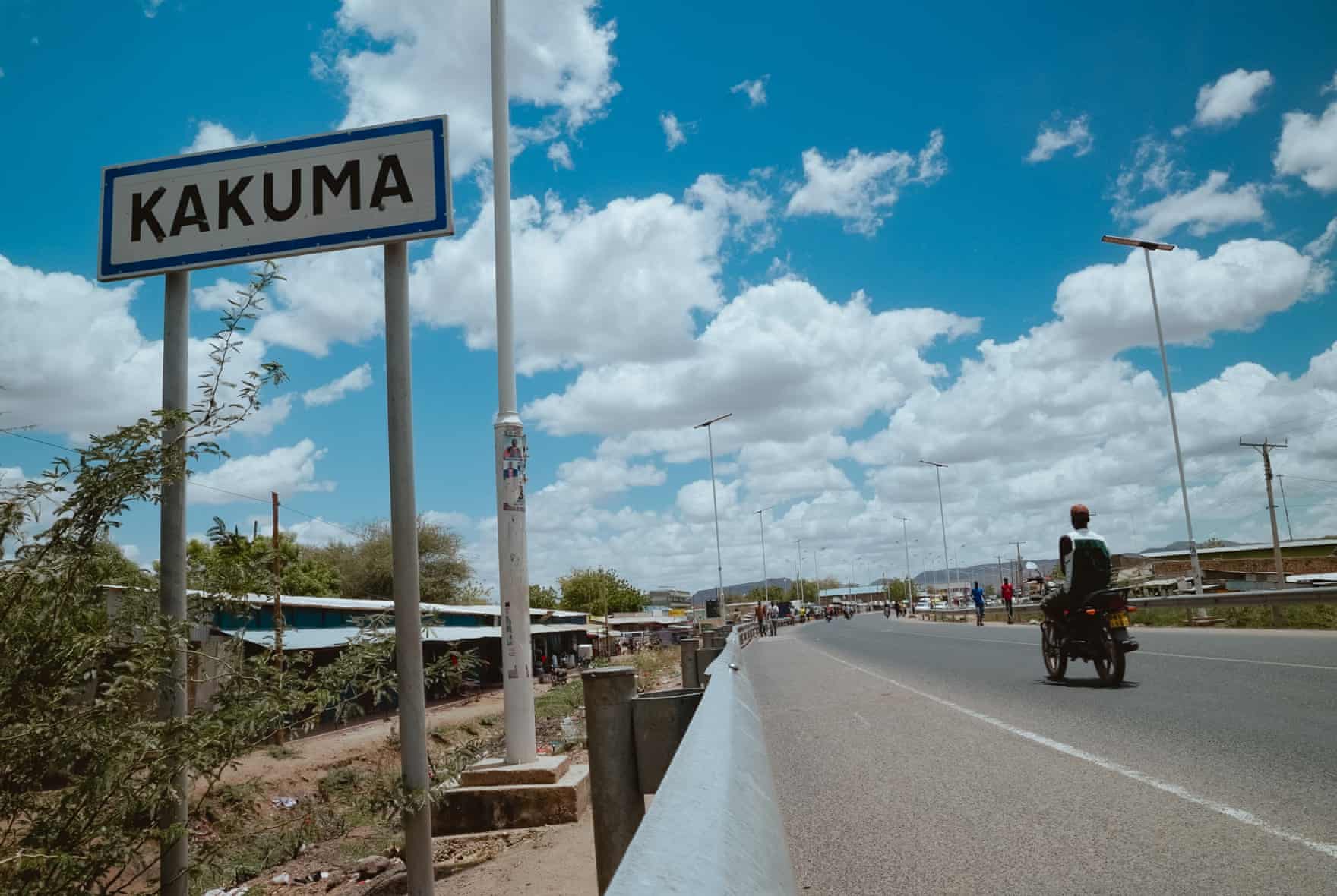
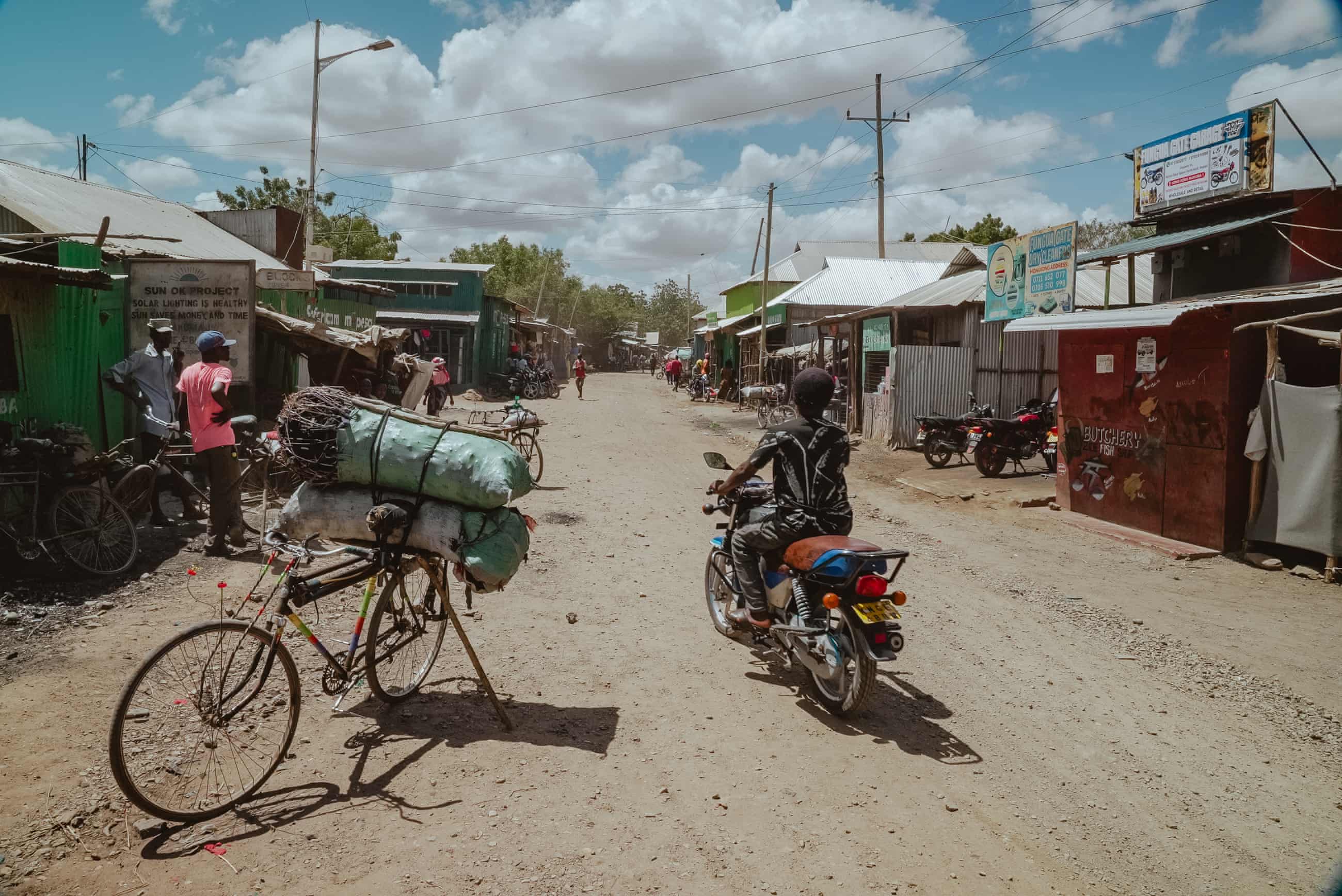
Kakuma was originally established as a temporary home for people forced to flee the second Sudanese civil war, later expanding to accommodate people fleeing Somalia, Ethiopia and the Democratic Republic of Congo. More than 30 years later, it is one of the worldâÂÂs largest refugee camps, with sprawling networks of tin-roofed buildings that make it look more like a permanent town.
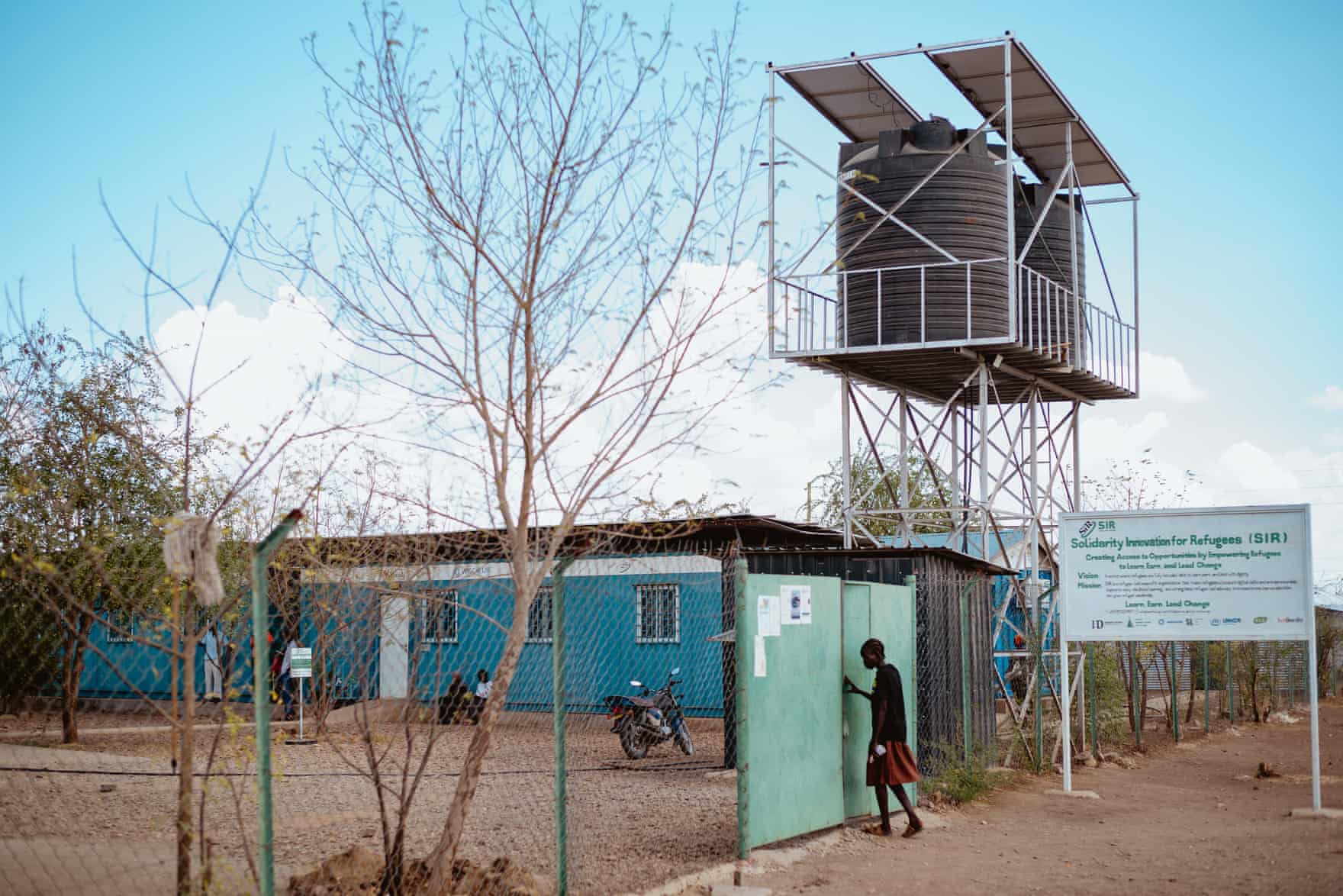
On a Thursday afternoon in June, temperatures topped 95F at the SIRâÂÂs compound, about 20 minutes away from KakumaâÂÂs main entrance. The arid landscape and severe water shortages around the camp make farming unfeasible, so the more than 300,000 residents are almost entirely dependent on humanitarian aid.
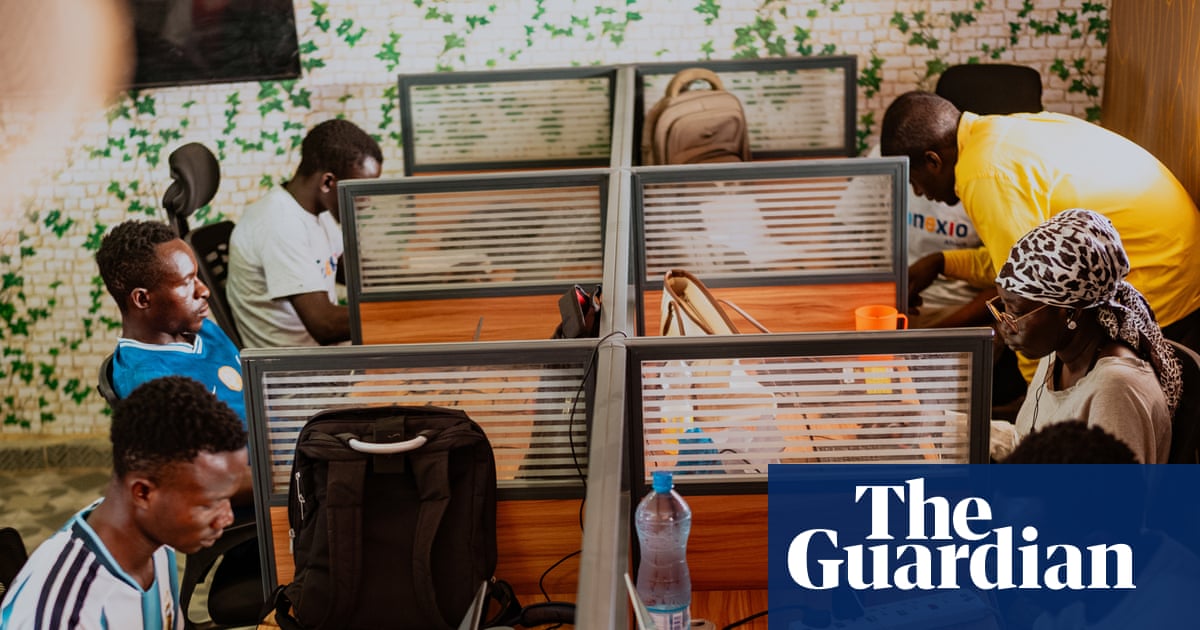
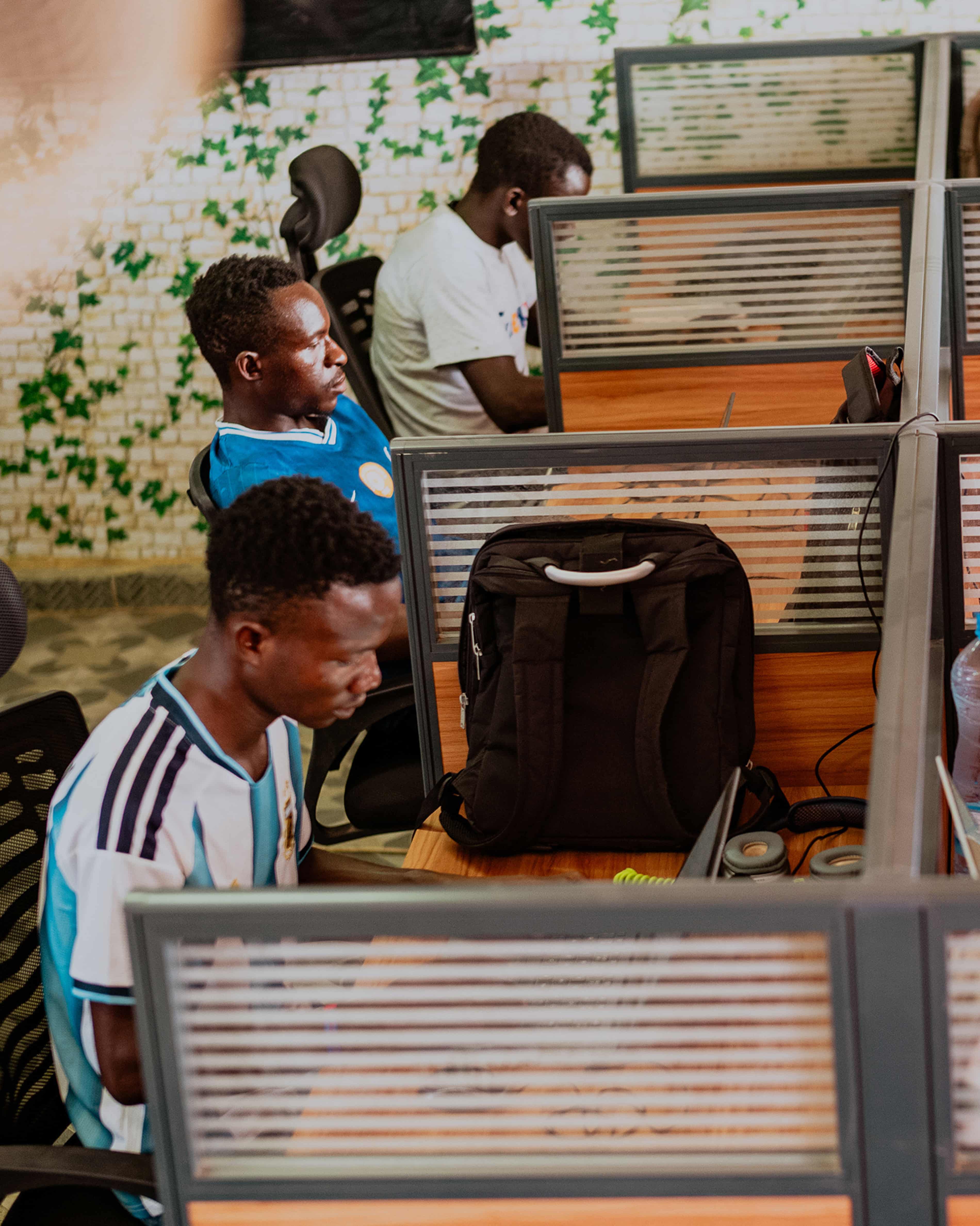
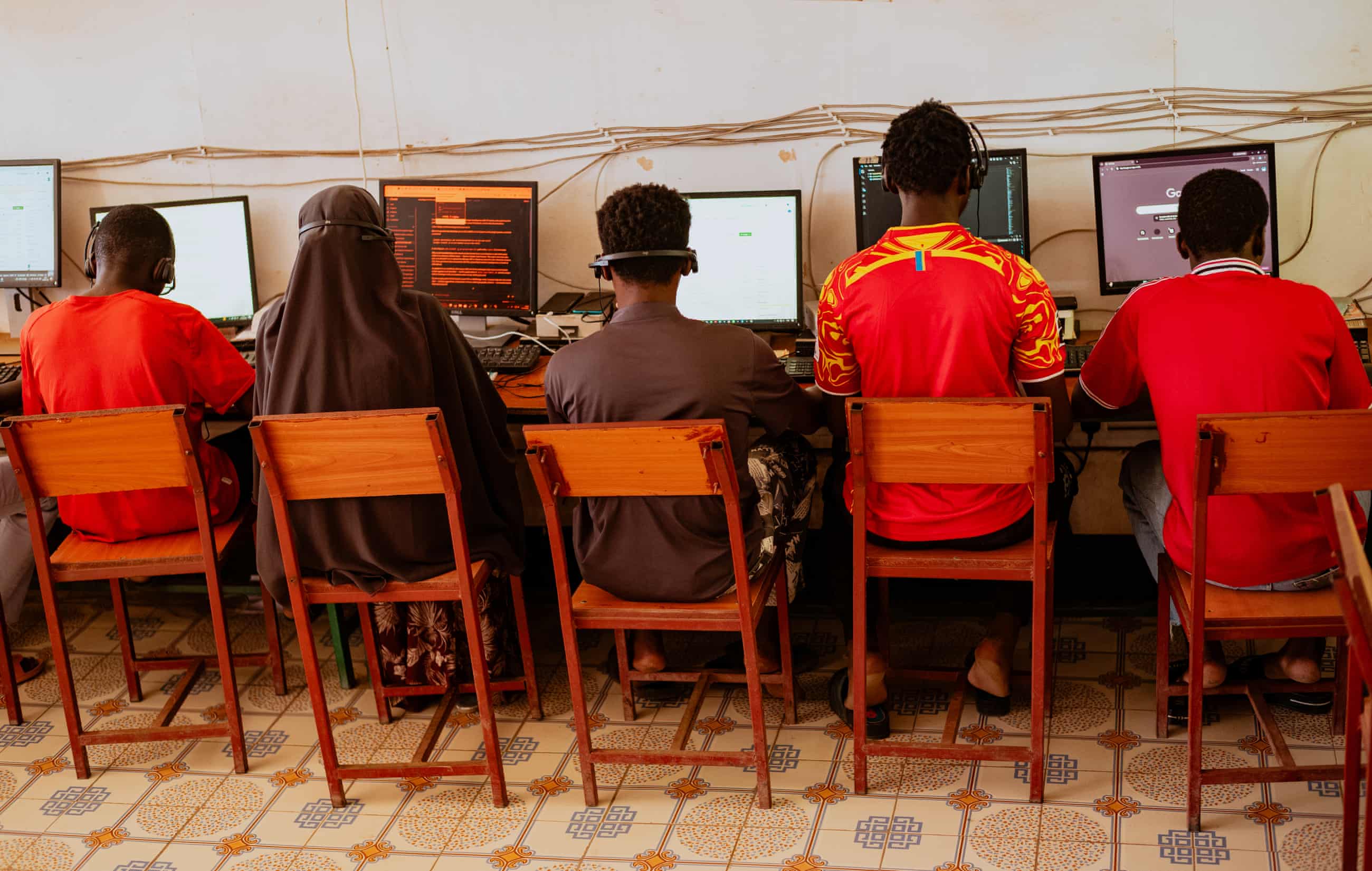
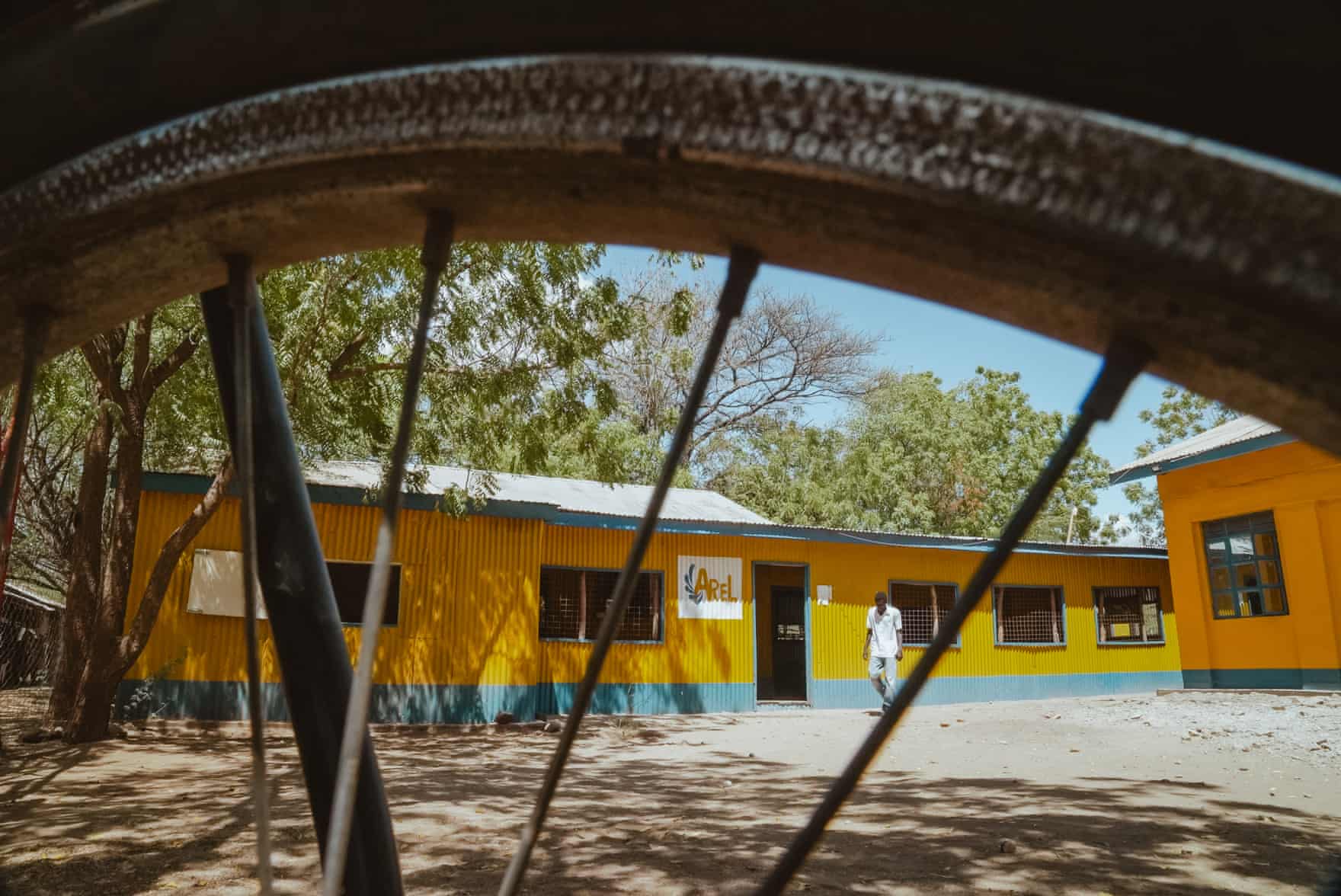
Inside an air-conditioned shipping container computer lab, five students practiced everything from basic digital literacy to full-stack programming. Nearby, three SIR graduates built websites and apps for clients outside the camp in a coworking space where they can access Starlink internet service and reliable electricity.
One South Sudanese software engineer said that, while he has managed to get well-paid work through the SIR and Konexio, a French organization that sources remote opportunities for refugees, he worries about future workers. Entry-level work is disappearing due to AI, he said.
âÂÂSenior engineers ⦠are not hiring interns or junior roles,â he added.
The SIR has trained more than 2,000 refugees, connecting more than half with remote tech work ranging from long-term employment to short-term gig work. A few years ago, SIR staff said they could easily find data annotation, transcription and translation work for their students on platforms like Remotasks. Hydrogene said workers regularly took home 500 to 1,000 Kenyan shillings, or $3 to $6, a day before Remotasks shuttered in 2024. While pay was low, it was valued in a place where less than half of households have income, and those that do earn less than $50 per month.
But the microwork economy is often exploitative, said Joan Kinyua, founding president of the Data Labelers Association. The Nairobi-based organization advocates for the rights of what it calls the tech sectorâÂÂs âÂÂinvisible architectsâÂÂ, workers foundational to the industry but hidden by opaque supply chains.
Kinyua, who worked many of these jobs, said she noticed wages and conditions for entry-level data annotation eroding as early as 2018. On some platforms, she noticed that even making a small mistake, like outlining an object imperfectly, could cost her pay. Further reductions in pay and opportunities for data labeling in 2020 meant that Kinyua had to work faster for less, and had to be available anytime gigs appeared on outsourcing platforms. Eventually, she was sleeping only a few hours a night.
âÂÂYou canâÂÂt afford to stay away from your computer,â she said.
In Kakuma, refugee data annotators said that at times they were tasked with labeling images and videos of weapons, gruesome bodily wounds, and pornography on various outsourcing platforms. As a result, some workers, especially those fleeing wars, experienced post-traumatic stress disorder symptoms after annotating violent material, Hydrogene said. And the opacity of some arrangements meant workers often unknowingly contributed to products they were opposed to. The Bureau of Investigative Journalism found that Somali speakers in Kakuma had done transcription work likely used by the US military, which refugees told the bureau they didnâÂÂt consent to.
A spokesperson for RWS said that AOP Connect doesnâÂÂt offer data annotation work. Scale AI did not respond to the broader findings on the industry as a whole, saying it was not in a position to comment on the practices of other companies.
Dwindling opportunities
Work became more scarce between 2022 and 2024 as Remotasks closed and automated tools such as ChatGPT took off. NaâÂÂamal, a non-profit that links refugees with global employers, noticed clients requesting skilled specialists rather than workers with basic digital literacy.
âÂÂAs AI became mainstream, some jobs started to dry up,â said Lorraine Charles, NaâÂÂamalâÂÂs founder.
The International Trade Centre (ITC), a joint World Trade Organization and United Nations agency that has trained digital workers in Kakuma, estimates jobs such as transcription, data entry, translation and web research have declined by about 50% since 2022, said ITC spokesperson Susanna Pak. Oxford Internet Institute research similarly shows that growth of popular AI tools coincided with a measurable drop in many of the tech jobs promoted as paths to refugee self-sufficiency.
Merci Biamungu, a refugee trained in 3D modeling, said he regularly received opportunities with guaranteed pay throughout 2023 and 2024.
However, in one of his final projects, he and 20 other workers competed in teams of five to design a 3D model of a potato. The best-performing group received a reward of 15,000 Kenyan shillings, or about $116, split among the five. Now, the AI tools that Biamungu believes he helped train can build 3D images faster, eliminating the need for workers like him, he said.
ItâÂÂs now been two years since Biamungu has found remote work in tech.
âÂÂWe used to get three to five jobs per month,â he said. âÂÂNow you cannot get one.âÂÂ
Hubert Sanga, a Congolese refugee who established Generation Aid, another social enterprise that trains and helps refugees find work in tech, said heâÂÂs seeing entry-level work for refugees collapse as AI expands.
âÂÂOne hundred per cent of the jobs we are doing right now are really at risk,â Sanga said.
Rewards, not wages
For many, the alternative to these precarious, lower-paid remote gigs is no income at a time when many families in Kakuma face starvation â partly the result of Donald Trump and Elon MuskâÂÂs dismantling of USAID last year.
âÂÂThe language of âÂÂrewardsâ instead of wages shifts risk entirely on to workers, who invest their time and expertise without any guarantee of fair compensation,â said Mark Graham, professor of internet geography at the Oxford Internet Institute.
Hydrogene, of the SIR, said clients within the microwork economy routinely threaten to take jobs to the Philippines or India if he tries to negotiate higher pay.
âÂÂAI is taking some of these jobs ⦠and you have more talent available than there are jobs,â he said. âÂÂThey say, âÂÂSomeone else will do it for less.âÂÂâÂÂ
NaâÂÂamalâÂÂs Charles has also noticed declines in wages, and as a result is shifting the organization away from microwork entirely. Graphic design, web design and search engine optimization trainings are also being phased out in favor of software engineering, digital marketing and e-commerce, and other jobs believed to be less vulnerable to automation.
But most refugees will struggle to become competitive candidates for such highly skilled jobs, said KonexioâÂÂs director, Fabien de Castilla, due to disruptions to their schooling and work experience. If annotation jobs are becoming obsolete, Castilla still believes that other entry-level jobs, such as data cleaning and reviewing AI outputs, might provide opportunities for refugees in the future.
Building better protections
As AI speeds up the refugeesâ work, itâÂÂs also diminishing their pay. Jobs that used to take days now take hours, reducing billable time, Sanga said.
âÂÂIf IâÂÂm going to take three days to do a job, [the client] says, âÂÂIâÂÂm going to find someone who can do it in two hours,âÂÂâ he said. âÂÂItâÂÂs killing usâ on pricing, he added.
Diminishing pay has prompted the SIR, Generation Aid and Action for Refugee Life, another organization that trains refugees and sources tech jobs, to push companies to offer higher wages and better conditions. But tech workers told the Guardian they feared pushing for more over concerns theyâÂÂd be replaced by AI or another worker desperate for a job.
Multilateral organizations like the ITC are trying to understand how digital workers can be better protected. Pamela Coke-Hamilton, the ITCâÂÂs executive director, told the Guardian that the loss of the digital economyâÂÂs lower- and middle-level workers demands new ways of thinking about collective bargaining.
âÂÂWe are at a tipping point,â she said. âÂÂAI has taken people by surprise with its speed and impact, and we need to ask what labor organizing looks like now. We need guardrails to prevent mass exploitation.âÂÂ
Though workers and advocates are trying to build those guardrails, they said power ultimately rests with global tech companies, which benefit from an oversupply of cheap labor. But a âÂÂrace to the bottomâ is not inevitable, Graham argues. HeâÂÂs pointed to the textile industry as a precedent for how pressure can change industry conditions. There, âÂÂsweatshopâ scandals prompted many companies at the top of the supply chain to commit to responsible business practices at every level.
Sanga believes one practical fix is simple transparency: workers need to know who they are working for so they can understand the value of their labor. When Generation Aid sources work directly from companies, it puts workers in direct contact with the client â a sharp contrast to anonymous platform work.
Milagros Miceli, principal investigator at Data Workersâ Inquiry and research lead at the Distributed AI Research Institute, argues that the supposed choice between no job and a poorly paid one is false.
âÂÂWithout data workers, tech companies do not have a product,â she said. âÂÂSo there should be space for bargaining power.âÂÂ