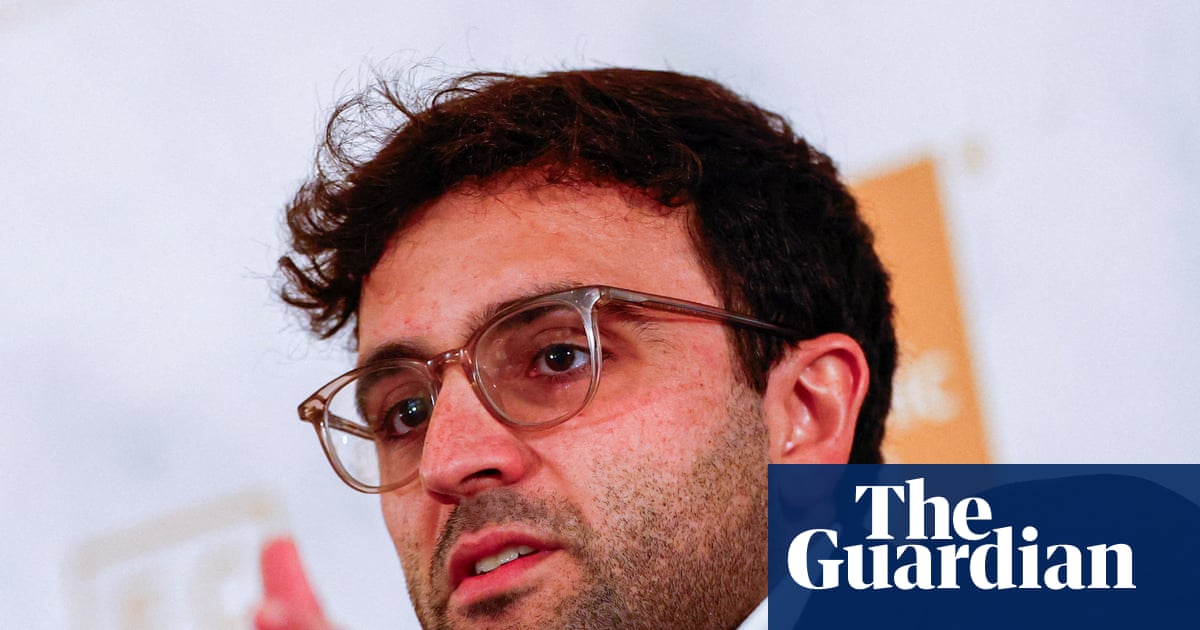

Utah files criminal charges against prediction market Kalshi and company co-founders
Firm calls charges, which include violating state gambling ban and profiting from illegal activity, âÂÂcrazy overreachâÂÂ
Utah on Wednesday filed criminal charges against prediction market operator Kalshi and two of its executives, months after a federal judge rejected KalshiâÂÂs effort to prevent Utah from enforcing its strict anti-gambling laws against the activity.
The felony charges could represent a new tactic in how states try to assert regulatory authority over the fast-expanding activity, a clash that appears headed to a showdown at the US supreme court.
The charges include 13 counts of violating the stateâÂÂs prohibition on gambling and another charge involving profiting off illegal activity.
The stateâÂÂs charging documents name Kalshi and its co-founders, chief executive officer Tarek Mansour and chief operating officer Luana Lopes Lara.
In a statement, Utah attorney general Derek Brown said Kalshi has continued to operate in Utah, despite a federal court ruling that UtahâÂÂs gambling laws apply to the company.
âÂÂGambling is illegal in Utah, whether you place the bet, run the game, or promote it. Calling it a âÂÂprediction marketâ doesnâÂÂt change what it is, and being federally registered doesnâÂÂt put a company above the law,â Brown said in a statement.
The attorney generalâÂÂs office did not immediately say what sort of criminal penalties it would seek in the case, although the felony charges carry the possibility of jail time.
In a statement, Kalshi called the charges a âÂÂcrazy overreachâ and said that âÂÂUtah is clearly playing politicsâÂÂ.
âÂÂWe look forward to putting a stop to this in court, just like we did in Arizona,â it said.
Utah has been on the front lines of a battle between states and the federal government over who regulates the markets. Litigation has spread across roughly 20 states, creating a fragmented legal landscape that analysts say will likely be settled by the supreme court.
Kalshi has maintained that prediction markets fall exclusively under federal jurisdiction and are not governed by state gambling laws.