
California weather is âÂÂwell into extreme territoryâ with historic high tides
Seawater surges into low-lying communities from San Diego to San Francisco Bay Area, submerging streets, homes and businesses
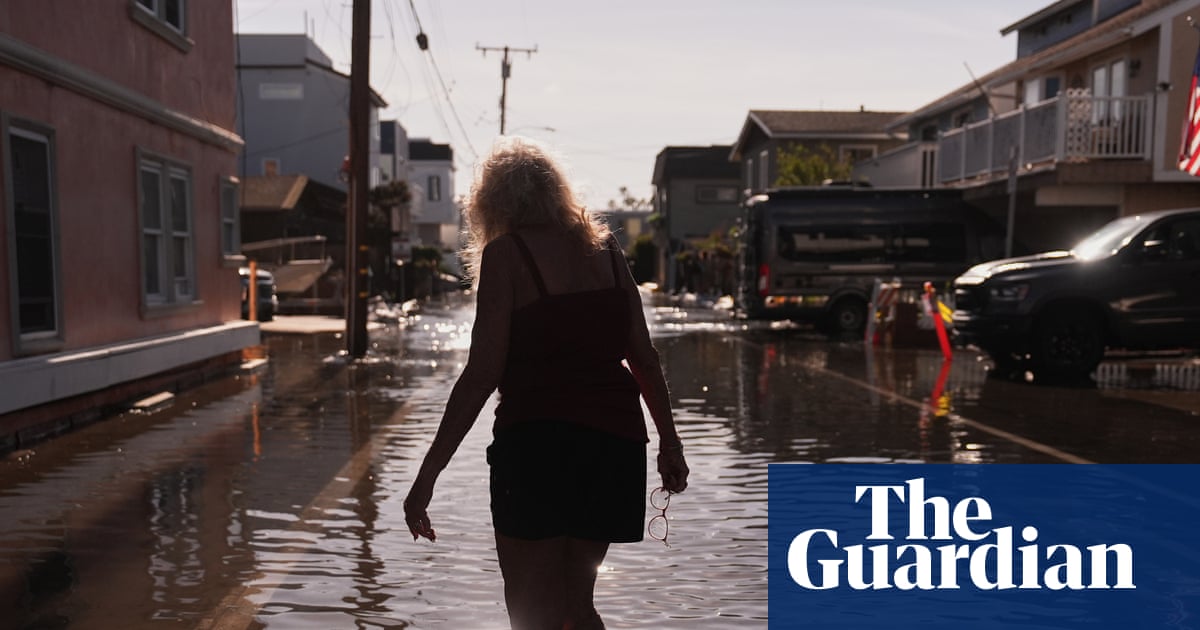
Historic high tides have caused chaos up and down the California coast this week, as parts of the state were inundated by record-breaking water levels. Seawater surged into low-lying communities from San Diego to the San Francisco Bay Area, submerging streets, flooding homes and businesses, and jamming important transportation corridors and train routes.
Kayakers and paddle boarders could be seen gliding through typically busy thoroughfares in Marin county, north of San Francisco, on Monday and Tuesday. Several drivers had to be rescued from floating cars in the area, while cyclists who had attempted to cross the temporary lagoon that had formed quickly found themselves waist-deep. Further south, in cities such as Newport Beach, water pounded the emergency infrastructure set up to keep out the swelling sea, which seeped through berms, seawalls and sandbag blockades along the shoreline.
Up and down the state, all-time records were smashed. Near Los Angeles and San Diego, tides rose above 8ft. San Francisco registered its highest reading for the month of October on Wednesday, breaking a record set the day before.
The National Weather Service has issued a swathe of flood advisories and warnings that will last for days. In San Diego and Orange counties, forecasters said significant coastal flooding was expected during high tides through Thursday. âÂÂNumerous roads may be closed. Low lying property including homes, businesses, and some critical infrastructure will be inundated,â they said in a Wednesday outlook. In Los Angeles, moderate flood risks extended into the weekend, though tides would begin to drop after Thursday. Shoreline erosion is expected across the California coast.
The repeated onslaught from the rising sea has made for a tumultuous autumn, especially in southern California, which has been hammered several times over the last two months. Los Angeles has already logged 12 coastal flood days in 2026, according to records from the National Oceanic and Atmospheric Administration (Noaa) â outpacing any year in the last 50 â with months left to go.

But the dangers wonâÂÂt recede when the tides do, and the newly set records wonâÂÂt be held for long. The worst flooding may be to come as severe impacts from an exceptionally strong and still-strengthening El Niño unfold in the months ahead, experts warned, with the potential to raise tides several feet above the levels recorded this week.
âÂÂWhat we are seeing now could be the beginning of what could be significantly more disruptive conditions later this year,â climate scientist Daniel Swain said during an online briefing Tuesday.
The sharply rising waters are the result of thermal expansion from a record-breaking oceanic heatwave layered on top of higher sea levels fueled by the human-caused climate crisis, Swain explained. A coastally trapped Kelvin wave â a massive underwater band of warm water that has crept across the Pacific and up the North American shoreline â has also added to the fray, and the California coast could see plenty more of them through the winter and into early next year. âÂÂI would expect these water levels to be exceeded multiple times this winter,â Swain said.

San Diego, La Jolla, Los Angeles and Santa Monica all have above an 80% chance of high tide flooding in December according to a Noaa outlook. Most of the stations near coastal communities to the north, going all the way to the Canadian border, were in the 60-80% category.
The floods seen this week were not so-called king tides, which are the highest predicted tides for the year. Those will show up right in time for busy holiday weekends, around Thanksgiving and Christmas this year, and around 20-23 January next year.
King tides can add an additional foot or two to water levels, which are already elevated by roughly a foot due to human-caused warming, the effects from El Niño and Kelvin waves. If each of these layers align as they are expected to, they will create up to 5ft of sea level rise above average, in many places at once.

âÂÂWe are well into extreme territory â and really in record-breaking territory,â Swain said. That will set the stage for disastrous flooding, should a storm arrive when waters are high.â Swain said thatâÂÂs when things âÂÂget really hairyâÂÂ.
The historic El Niño brewing in the Pacific has the power to unleash extreme weather around the world, and in California that could mean supercharged storms. Southern California especially tends to get doused during the El Niños, and this year the climate phenomenon, characterized by warmer-than-average equatorial sea surface temperatures, could pack an extraordinary punch.
Should a strong storm occur during the windows when the tides are highest, flooding could be disastrous. âÂÂThereâÂÂs at least a 30-40% chance we stack all of these this winter, and potentially more than once,â Swain said.