
US disaster survivors still await at least $10bn in federal aid: âÂÂItâÂÂs devastatingâÂÂ
The last long-term federal recovery funds allocated for a major disaster were for Hurricane Milton, which hit in late 2024
Survivors of extreme weather disasters across the US are facing long waits for government assistance funds to rebuild their lives, with the last long-term recovery funds allocated for Hurricane Milton that hit Florida two years ago. Government officials estimate more than $10bn is needed in long-term disaster recovery funding to rebuild affected communities in Los Angeles county and St Louis, Missouri, alone.
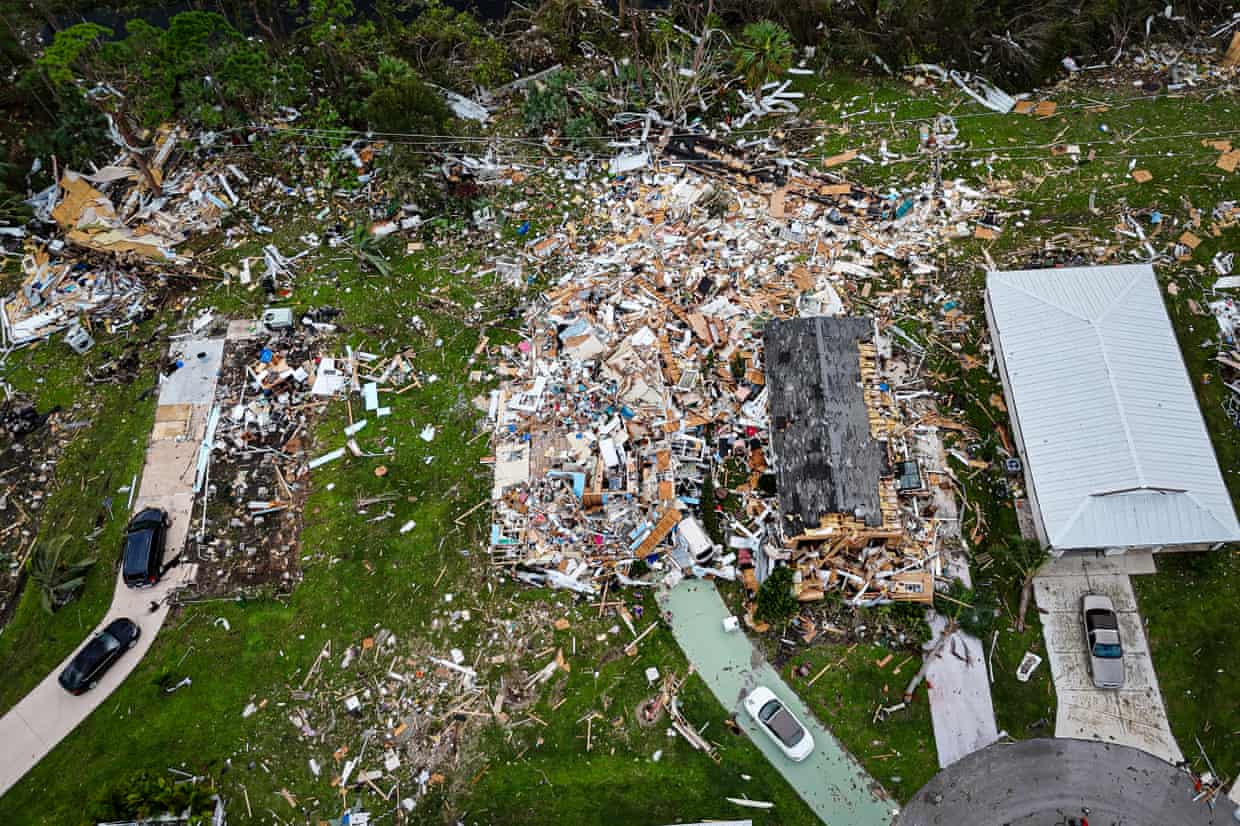
Demetrice DavisâÂÂs home in north St Louis still has damage from the EF3 tornado that tore through the area in May 2025. âÂÂThe insurance didnâÂÂt cover much of anything. And the Fema just kind of backed you up for a little while, but didnâÂÂt get you back on track,â he said. âÂÂThe government agencies are not really doing what theyâÂÂre supposed to do.âÂÂ
The survivors of three disasters in 2025 â a tornado in St Louis, flooding in Texas Hill Country and wildfires in Los Angeles â are still waiting on long-term recovery money from the Department of Housing and Urban Development (Hud). Under the Community Development Block Grant Disaster Recovery program (CDBG-DR), these funds usually help pay to rebuild homes and neighborhoods after FemaâÂÂs emergency assistance runs out. The last disaster for which CDBG-DR funds were doled out was Hurricane Milton, which hit Florida in October 2024. No disaster since then has received CDBG-DR money.
Since 1993, more than $111bn have been appropriated and allocated for CDBG-DR. But the long-term recovery program has no standing fund, meaning that Congress must appropriate the money disaster-by-disaster. This has caused long lag times in recovery funding before. Survivors of the 2020 earthquakes in Puerto Rico waited 655 days after the disaster was declared for CDBG-DR funding to be allocated, according to a Bipartisan Policy Center report. In July 2026, CDBG-DR was written into law for the first time, authorizing the program for three years. While advocates hoped the legislation would create a reliable framework to disseminate disaster relief funds more quickly, no more money has been appropriated for the CDBG-DR program.
ItâÂÂs been 21 months since the LA wildfires were declared a disaster and survivors are still waiting, said Sylvie Andrews, who lost her home in Altadena. âÂÂTo find out that your own country canâÂÂt even do what it has historically done for other survivors of disasters, thatâÂÂs very disheartening, and itâÂÂs also what kind of galvanized me to get involved,â she said. Andrews and Davis were among a group of disaster survivors from Rebuild: the National Disaster Survivors Association who went to Washington DC last month to ask their legislators to fund CDBG-DR for communities trying to recover from disasters.
âÂÂThere are people in Congress who are resistant to the idea of pre-funding anything when theyâÂÂre not sure thereâÂÂs going to be a disaster, and the reality is there will be more disasters every year because of climate change,â Andrews said. âÂÂI guarantee there will be communities that need it.âÂÂ
âÂÂItâÂÂs just a matter of asking, as a taxpaying citizen, what are we paying for?â Davis said of his conversations with lawmakers. âÂÂAs a taxpaying citizen, we are putting in the pot. We are supposed to get some type of return. But it seems like thatâÂÂs not happening. And there seems to be a lot of excuses and passing the buck because most of the lawmakers we talked to blamed it on other lawmakers.âÂÂ
Climate disaster survivors with Rebuild have made three trips to DC so far. During each trip, survivors not only had conversations with their lawmakers, but with one other. Learning about the experiences of other survivors in California and Texas who also havenâÂÂt received long-term recovery funding has stayed with Davis. âÂÂI just hope we are all whole at some point,â he said. âÂÂItâÂÂs devastating to not be able to go home, or to go into a neighborhood that you grew up in and you expect to look a certain way. IâÂÂve been in this neighborhood all my life. Some of the houses that got wiped away had been there since I was kid.âÂÂ
An estimated 137 million people lived in areas of the US affected by a disaster in 2024 alone, according to an analysis by the International Institute for Environment and Development. In a 2023 nationwide survey by Fema, 54% of people said they or their family members had experienced the effects of a disaster. This shared experience could be a powerful tool in fixing the disaster recovery system in the US, said Ginny Goldman, a co-founder of Rebuild.
âÂÂWe have folks from rural and urban areas. We have folks from both parties. The disaster strips all of that away,â she said. âÂÂEveryone in this country is a survivor of a disaster or will be very soon. We can all come together and build the system we all deserve.âÂÂ
For example, after Los Angeles county wildfire survivors spoke with Democrat Judy Chu, the congresswoman wrote a letter alongside three other lawmakers urging Fema to release more than $6m in additional funding for the Disaster Case Management Program (DCMP) previously approved by the federal agency. After weeks of sustained pressure and the looming threat of a major funding cliff, Fema obliged. On 7 October, the agency released the final installment of the DCMP funding.
âÂÂSuddenly, we saw an additional 6.6 mil come our way,â Andrews said. âÂÂSo it was a tiny win, but basically thereâÂÂs so much more that needs to come our way.âÂÂ
âÂÂI welcome todayâÂÂs release of funding for Eaton and Palisades Fire survivors, but letâÂÂs be clear: this is funding FEMA had already approved and that we have been demanding the agency release for weeks,â Chu said in a prepared statement in September. âÂÂAnd while today is progress, President Trump still has not delivered the long-term federal disaster recovery funding Los Angeles communities need to rebuild.âÂÂ