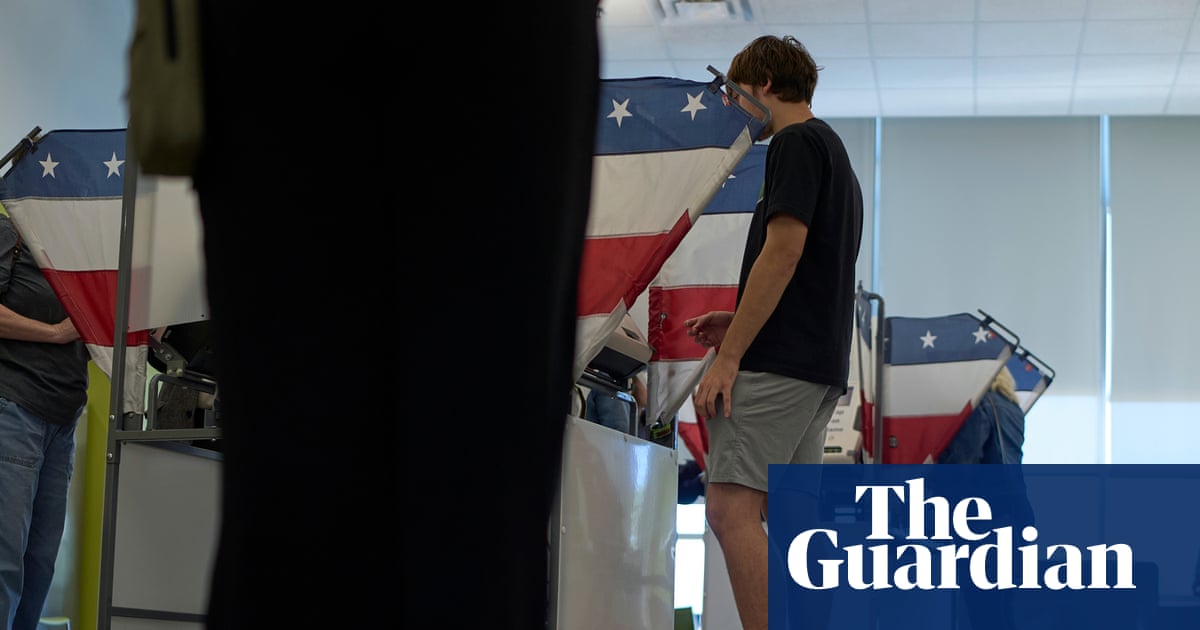
Surging turnout, with Democrats voting more: key takeaways from early voting data
With just 11 days until the US midterm elections, Democrats need a net gain of four seats to reclaim Congress
With just 11 days until the US midterm elections, early voting data is rolling in nationwide. Democrats need a net gain of four seats to reclaim the majority in each chamber of Congress. Here is where the numbers stand as of Friday:
1. Turnout is surging in key battleground states
As of Friday afternoon, more than 23 million Americans had already voted in person or by mail. Among the key battleground states, Michigan and Ohio have each passed 900,000 ballots cast, while Georgia has recorded almost 1.5m early votes, North Carolina more than 1.2m, Florida almost 2.2m and Texas more than 2.8m, according to the University of FloridaâÂÂs Election Lab, as of 23 October.
While midterms typically favor the party out of power, turnout this year is being driven in part by widespread public frustration over crucial issues including Donald TrumpâÂÂs handling of the economy, the cost-of-living crisis and his deeply unpopular war on Iran. The backlash â reflected in the presidentâÂÂs record-low approval ratings â have left Republicans fighting hard to defend seats in places where Trump won by wide margins just two years ago.
Early voting is soaring compared with the last midterms in many of the battleground states, which will decide control of the Senate.
In Georgia, early votes already represent more than 40% of the total turnout from the 2022 midterms. Texas is at 35% and North Carolina 33%, while Florida is at 27%. Michigan and Ohio are recording similarly high paces.
Registered Democrats account for 45% of early ballots cast, compared with 30% from Republicans (tracking returned ballots, not candidate selection). The party gap is particularly pronounced in North Carolina, Kansas and Iowa â all states that traditionally favor Republicans.
While Republicans have historically preferred to vote on election day, strategists worry this widened margin signals a âÂÂred undertowâ â GOP voters staying home due to frustration over high gas prices, the conflict in Iran and sweeping tariffs.
At the same time, Democrats have been energized, with TrumpâÂÂs growing unpopularity and voter frustration over affordability, which they believe has given them opportunities to flip seats they havenâÂÂt won in decades.
4. Mail-in voting remains resilient
More than 57m mail-in ballots have been requested or sent nationally â greater than the 52m requested in 2022 â according to NBC News, using data from TargetSmart. The University of FloridaâÂÂs Election Lab has the figure for mail-in ballots requested at more than 59m.
Despite executive orders from the Trump administration attempting to restrict mail-in voting, which the supreme court struck down in September, voters continue to utilize the process at pre-pandemic rates.