
Indiana police officer arrested for using Flock cameras to search wife
Justin Craig charged with official misconduct and fraud, after searching plates of wife and âÂÂprevious acquaintanceâÂÂ
An Indiana police officer has been arrested on allegations that he misused Flock cameras hundreds of times in a case involving his wife and a previous acquaintance of hers.
Georgetown police department officer Justin Craig was charged with official misconduct and two counts of fraud. Documents show that he searched his wifeâÂÂs license plate more than 80 times and that of a âÂÂprevious acquaintanceâ of hers nearly 250 times, the news outlet WLKY reported.
The documents say CraigâÂÂs searches started in January and continued up to July.
A reporter from the Washington Post triggered the investigation, the documents show, after he called the Georgetown police chief with the tip.
An internal review by the Georgetown police found that the searches Craig conducted on the Flock system were unrelated to any police investigations, and he had intentionally mislabeled those searches to make them appear justified.
The searches had been labeled with subjects including traffic infractions, narcotics, assault/battery, theft and stolen vehicles.
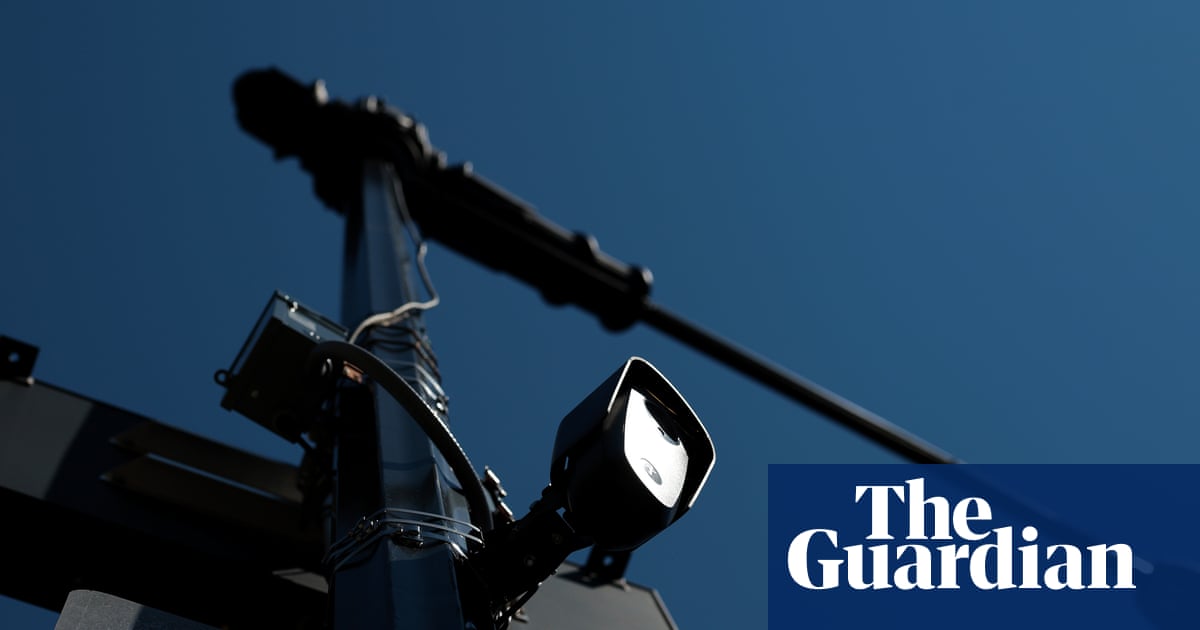
FlockâÂÂs cameras are automated license plate readers (ALPRs), which take pictures of vehicle license plates so police and security companies can log the movement of cars in a given area. There are about 120,000 Flock cameras across the US, which conduct roughly 2bn scans monthly.
Flock, the company behind the tech, provides cameras and software to more than 4,800 law enforcement agencies and nearly 1,000 businesses. Flock says it intends for its technology to aid criminal investigations, but it has come under increasing bipartisan backlash over alleged privacy violations and data-sharing.
There have been multiple reports of police officers across several US states who have allegedly misused or abused the technology. That includes officers who have been accused of using the cameras to stalk former romantic partners and to track down individuals seeking abortions.
The network the cameras feed in to is also frequently utilized by US Immigration and Customs Enforcement (ICE), whose aggressive tactics under the second Trump administration have drawn nationwide criticism.
After CraigâÂÂs arrest, his attorney, Matthew Lemme, released the following statement to multiple news outlets: âÂÂFlock sells this same technology to cities, homeowners associations, and shopping malls. When public criticism of it came, the response was to put it on the shoulders of individual police officers. The conduct alleged does not violate any law or department policy.âÂÂ
The statement continued: âÂÂIf the public or police agencies believe it should, the answer is to write that law or policy. Having that public conversation about privacy and practice is appropriate. Charging officers before it has even started is not. Officer Craig will file a motion to dismiss the charges against him.âÂÂ
In August, FlockâÂÂs CEO announced the company would be taking steps to curb police abuses of its tech by mandating that law enforcement agencies switch on features that could help audit the way individual officers use its tracking capabilities.