
Solder-darity forever: how âÂÂfixitâ clubs are helping Americans save money and make new friends
Community repair clinics around the country are teaching people how to fix their belongings and push back against throwaway culture
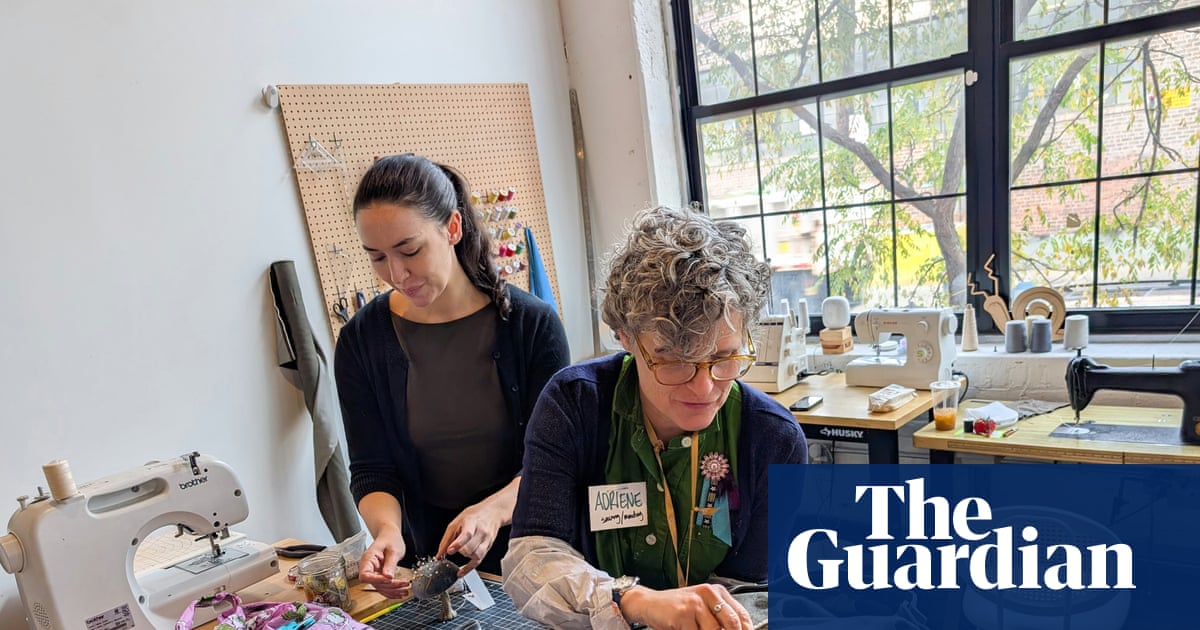
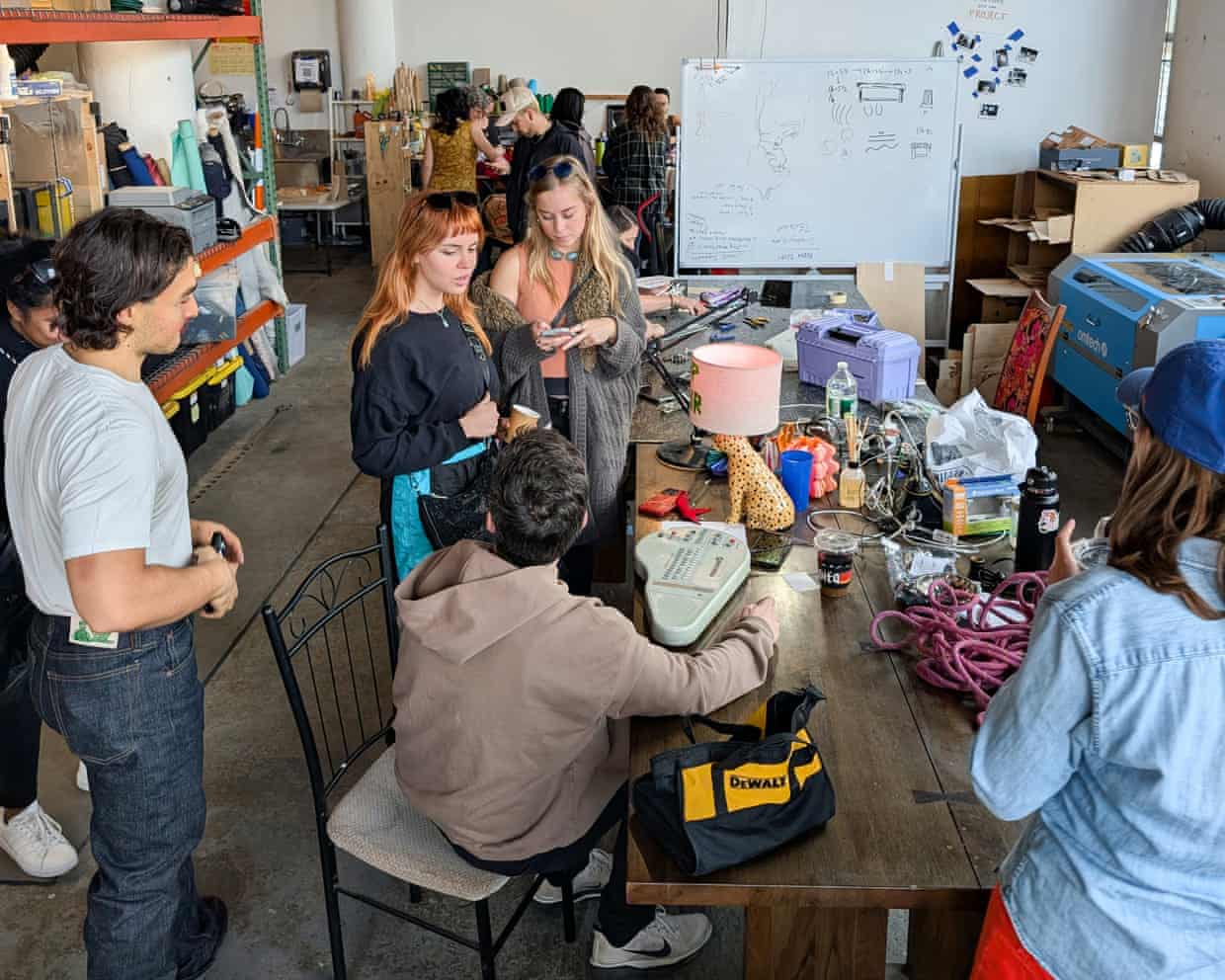
On a recent Monday night, a volunteer-run workspace in Brooklyn, New York, bustled with dozens of fixers. Some tinkered with sewing machines while others soldered circuit boards at a workbench. Caleb Young, co-founder of the Brooklyn Spark space, fit a DIY suction device on to the handle of a Dyson vacuum cleaner.
âÂÂItâÂÂs in our culture to throw things away, but sometimes the fix is easier than youâÂÂd think,â Young said.
The Fixit Clinic is open every Monday night to walk-ins. Anyone with a broken item theyâÂÂd like to fix â from torn clothes to malfunctioning electronic devices â can drop by during open hours and get the repair help and tools they need. ItâÂÂs a way for people to push back against tech companies, making their phones and gadgets deliberately unrepairable so they buy newer devices while creating massive amounts of e-waste. The clinics also foster community: Once people learn to repair their possessions, many get addicted and like helping others, Young said.
âÂÂWe like to tell them, âÂÂWhy not take a few seconds to try and open something up?âÂÂâ he said. âÂÂItâÂÂs broken anyway.âÂÂ
The Brooklyn clinic is part of a nationwide network offering community repair. Peter Mui, who founded the first Fixit Clinic in Berkeley, California, in 2009, said that heâÂÂs seen the number of clinics explode during the past few years; at least 2,000 have been hosted across the country. âÂÂWeâÂÂre offering these workshops in libraries, at colleges and in public spaces where fixers and community members can come together,â Mui said.
Similar, unaffiliated clinics have seen success, too. The community-run Repair cafe, originally founded in Amsterdam, now has approximately 250 US locations. Neighborhood repair events at local community centers are also popping up around the country.
Policy proposals have even matched this grassroots demand. Since 2012, 24 states have successfully passed some form of right-to-repair legislation, mandating that manufacturers make their products repair-friendly instead of destined for the landfill. This year, 57 right-to-repair bills have been introduced in 22 states that would make machines like phones, wheelchairs and construction equipment easier to repair. Members of Congress have also introduced a bipartisan federal automotive right-to-repair bill, called the Repair Act, but it has yet to be brought to a full House vote.
Mui attributes the growing interest to people questioning the environmental and economic costs of our consumer culture. âÂÂSo much of our capitalist system is tied up in our endless consumption,â he said. âÂÂBut if we come together to take agency and empowerment over the things we own, we can build a more sustainable future.âÂÂ
Starting a bottom-up repair culture
The first modern right-to-repair state law was passed in 2012, when Massachusetts granted car owners the right to fix their cars at independent service shops. In 2014, Congress passed a bill that legalized âÂÂphone unlockingâÂÂ, which allowed consumers to change their cell service carrier without buying a new phone. Farmers and states have also filed multiple lawsuits against agricultural equipment manufacturer John Deere over repair restrictions to their equipment, resulting in settlements with the company.
In 2024, right to repair reached a new level of public consciousness when customers across the country were upset over broken McFlurry machines. The Digital Millennium Copyright Act (DMCA) protected the software on these machines, meaning only their manufacturer, Taylor, could fix them. After petitions from consumers and consumer advocacy groups, the US Copyright Office granted a copyright exemption that would allow third-party repairs on McFlurry machines.
Nathan Proctor, senior director of the Right to Repair campaign at the Public Interest Research Group, said that corporationsâ responses to right-to-repair laws have ranged from compliance to active resistance. For example, Apple has gradually made some parts and manuals available for repair, while the automotive industry has fought back against right-to-repair laws. âÂÂSome companies are hostile and refuse to provide repair materials, while others have made national policies to sell spare parts,â he said.
But the growing grassroots movement of community repair brings Proctor hope. âÂÂWe need to both change the law and build out a culture of repair,â Proctor said. âÂÂTo see these community events start up with no institutional backing â thatâÂÂs a signal that something about repair is clicking with people.âÂÂ
Educating the next generation of fixers
At San Jose State University in California, the Fixit Clinic student organization was recently voted the most influential club on campus. The student-led group holds monthly clinics for fellow students and community members at libraries around the city. âÂÂWe like to tell people, âÂÂIf you can get it through the door, we can fix it for you,âÂÂâ said club president Lily Andrews.
Since the chapter was founded in 2024, the club has hosted on-campus and off-campus workshops to teach middle schoolers, college students and community members skills like sewing and soldering metals. Andrews, a junior studying mechanical engineering, said that hosting these clinics has offered her hands-on practice that goes beyond the theories sheâÂÂs learning in the classroom. âÂÂWhen I open things up, I get to really see how theyâÂÂre made, and see how the machinery components interact,â she said.
Andrews said sheâÂÂs learned how many of our products are made to discourage repair. âÂÂAll these nuts, bolts and screws make it intimidating to take things apart,â she said.
Mui, the founder of the first Fixit Clinic, said that this is the next step in the clinicsâ mission: launching more events in partnership with colleges and universities to educate the next generation of designers and engineers. âÂÂIâÂÂm focused on asking, âÂÂhow do we train students to rethink the whole system?âÂÂâ he said.
Andrews says that her experience leading the club has inspired her to pave a different path forward. âÂÂFixing and repairing isnâÂÂt just an engineering skill; itâÂÂs a skill that everyone should have,â she said. âÂÂI want to keep applying what IâÂÂve learned in my work so that we can keep items from landing in the landfill, help the environment and reduce waste.âÂÂ