
Rural Queenslanders have seen gas projects come and go â but a 725-hectare datacentre poses a whole new level of âÂÂstupidityâÂÂ
Residents of Dalby may soon live beside a $31bn datacentre. The premier sees âÂÂopportunityâ for the state â but others fear AIâÂÂs global creep
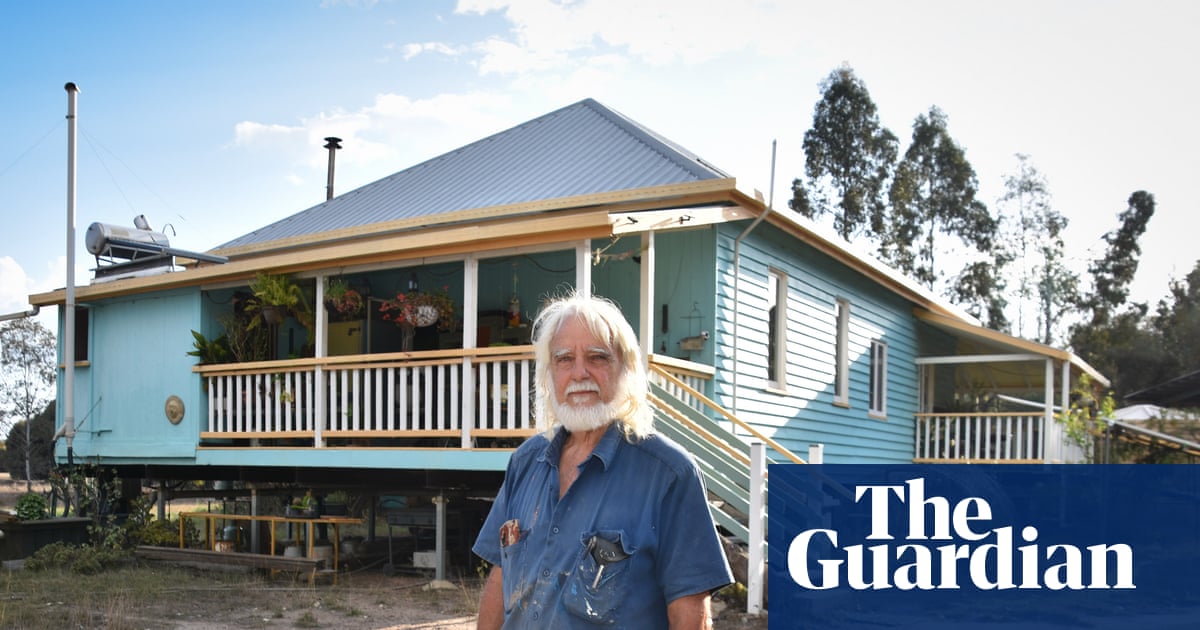
From the veranda on his bush block, Denver Kanowski has watched resources companies come and go from rural Queensland for 70 years.
The home cost him $800, and lets him live how he likes, in nature. ItâÂÂs also in the middle of a gasfield, not far from the Linc Energy contamination site, down the road from a coalmine and three gas power plants.
Last month came the biggest scheme yet, a $31bn datacentre to power Claude, the large language model developed by global AI giant Anthropic. If built, AustraliaâÂÂs largest datacentre would be about 15 minutesâ drive away from KanowskiâÂÂs home, outside Kogan, near Dalby, about 180km west of Brisbane.
In a community that has seen the boom and bust of coal seam gas, the response from many has been the same as KanowskiâÂÂs: once bitten, twice shy.
âÂÂThis is the power of money and the power of greed and shortsighted stupidity,â Kanowski says.
âÂÂIâÂÂve read this book before.âÂÂ
AnthropicâÂÂs project is to be built on a 725-hectare plot of land now occupied by a 24,000 head feedlot, surrounded by gas wells.
According to Singapore-based developer Zerra DC, its cooling system will be far less water intensive than most existing datacentresâÂÂ, generating about the same demand as an average shopping centre.

But like all AI, it will require an enormous amount of energy. The Western Downs datacentre will require a peak power capacity equal to about a quarter of total state energy demand, 2.16GW. It would also employ thousands during construction, with about 1,400 long-term jobs, according to the company.
The proposal was made public just last month.
Within days, Dalby travel agent Mordechai Winters had made up his mind: he didnâÂÂt want it.
âÂÂI was crushed. You know, itâÂÂs very disappointing that the council and also the government would consider it,â he says.
Issues like energy demand, noise and poor siting have driven a massive backlash against datacentres in the United States. Three-quarters of Americans now oppose them, and more than 500 counties have imposed a ban.
At least thousands have a similar view in Australia.
A petition that Winters helped to launch has been signed by more than 21,500 people â mostly from the area â in just a few weeks, he says.
He believes the projectâÂÂs benefits are exaggerated and will trigger the same boom-bust cycle as gas.
Cecil Plains farmer Liza Balmain remembers the big â and eventually unrealised â promises of the gas industry when it arrived.

The industry brought massive change; academics later concluded that its scale and pace in a small agricultural community âÂÂwas likely unprecedented anywhere in the worldâÂÂ. There was a huge influx of workers, with the high wages of gas attracting labour away from farms and local business.
Then â because setting up a gas well requires a lot more labour than operating it â the industry left, just as quickly as it had arrived, leaving business owners with debts they couldnâÂÂt pay on investments they no longer needed. Some academics believe the industry left the region worse off. Others think it was a slim net positive.
Balmain, who led a long campaign against the gas industry, says she can see âÂÂhuge similaritiesâ between the coal seam gas era and the proposed datacentre.
Australians across the country are concerned. Jo Shulman, CEO of the Environmental Defenders Office which has long helped communities fight resources projects such as coal seam gas, says the group had seen a 250% increase in queries about datacentres to the serviceâÂÂs free legal advice line since January.
âÂÂI would say the datacentre is the new frontier,â she says.
âÂÂCommunities are concerned about [their] impacts on the environment and their wellbeingâÂÂ.
Shulman says datacentres will form an essential part of the clean energy transition â but called for a pause to allow national standards to catch up.
âÂÂWe think that there should be a moratorium on any further datacentres, or they risk repeating the same things that we saw with the coal seam gas boom,â she says.
Big job for a small council
The Dalby mayor, Andrew Smith, says the ultimate authority over the regionâÂÂs largest ever project should rest with the Western Downs regional council, population 35,452. Speaking to Guardian Australia last month, he said council did not expect the project to be taken over by the state coordinator general.

âÂÂWe did ask the question, but our understanding is it will stay with local government,â he says.
But then, on Friday, things changed. The state announced it would take datacentres out of the hands of local councils, under a new planning framework to ensure âÂÂa consistent and transparent framework across the state,â similar to the governmentâÂÂs renewables planning policy.
âÂÂWe will treat these projects no worse and no better than we do mining, renewables or tourism projects. Any deals done must be with the backing of councils and communities,â a spokesperson for planning minister, Jarrod Bleijie, says.
âÂÂThe state government will become the responsible assessor and coordinator of any data centre applications, instead of local councilsâÂÂ.
If given the green light, the project will be worth more to the local community than coal seam gas, he says.
âÂÂIn general, the coal seam gas industry has been wonderful for our region. ItâÂÂs diversified our economy, which we talk about a lot. ItâÂÂs created jobs,â he says.
âÂÂPrior to coal seam gas, we were exporting a lot of our clever kids, because the opportunities werenâÂÂt back in the region.âÂÂ
Anthropic wants to start using the centre as early as next year. But Smith says the planning couldnâÂÂt be rushed â and was careful not to endorse or oppose the project.
The Queensland premier, David Crisafulli, lobbied the company to invest in the state during a recent trade mission, he told parliament last week.
Crisafulli said the state would help the council assess the project, but said it had done an excellent job with the gas industry and could do so again.
âÂÂThey see the same opportunity I do, and that opportunity is to make sure that there are jobs, very good jobs in regional areas, and if we get it right, lower power bills for every other Queenslander as well. I see a really good play with that,â the premier said.
Toowoomba and Surat Basin Enterprise chief executive officer Jo Sheppard says most residents of the area had not yet made up their minds about the project, but that it was important for the developer to maintain their social license.
She added it was a âÂÂa once in a generation opportunity for Western Downs region and our broader regionâÂÂ, with the power to transform the town from a â âÂÂfairly quietâ farming community to something more, adding to booms triggered by gas, and then renewables.
âÂÂSomeone actually did say to me the other day: âÂÂGosh, should we all be buying a house in Dalby?âÂÂâÂÂ
Kanowski says there was something different about the datacentre compared with coal and coal seam gas schemes. He believes it will go beyond harming the environment by contributing to an online âÂÂfantasyâ world, disconnecting people from the things that genuinely matter.
âÂÂ[The datacentre developers] donâÂÂt even see the trees. They donâÂÂt understand the relationship between all the things. This is my world, I love it,â he says.
âÂÂThis is not a datacentre ⦠This is part of a network that these money-crazed idiots are planning to put all over the planet.âÂÂ