
New Mexico megachurch endorses Republican candidates, testing federal ban
Legacy ChurchâÂÂs endorsements violate law banning tax-exempt nonprofits from endorsing political candidates
A megachurch in New Mexico has endorsed two Republican candidates running in this yearâÂÂs midterms, including a Donald Trump-backed candidate running in one of the blue stateâÂÂs few competitive races. The churchâÂÂs endorsements, which violate federal law banning tax-exempt nonprofits from endorsing political candidates, come as the Trump administration is challenging that ban in federal court.
In mid-August, pastor Steve Smothermon of Legacy Church, a nondenominational church with nine locations across the state, told his congregation about one of the candidates: âÂÂGreg Cunningham has faithfully served our church for 14 years and shares our biblical values. LetâÂÂs pray for him, support his campaign, get registered, and vote to flip this seat for someone who will stand for God, our Constitution, and a better New Mexico!âÂÂ
Greg Cunningham, a Republican, is currently running to unseat Democratic Representative Gabriel Vasquez. Recent polling shows Vasquez receiving 48% of the vote to CunninghamâÂÂs 44%. In 2024, Vasquez was one of 13 Democrats across the country who won his House race in a district that voted for Donald Trump.
In hopes of maintaining their narrow majorities, Republican congressional leaders have traveled to New Mexico to campaign for Cunningham. House speaker Mike Johnson has stumped for Cunningham twice, and Senate Majority Leader Steve Scalise campaigned in southern New Mexico in late October. Trump endorsed Cunningham, the only candidate from New Mexico he has weighed in on, in a Truth Social post in April.

Two months after endorsing Cunningham, Smothermon also endorsed Gregg Hull, the Republican candidate for governor. In a 6 October social media post, Smothermon wrote, âÂÂGregg Hull should be the next governor of New Mexico,â and encouraged his followers to âÂÂStand up and vote your biblical worldview.âÂÂ
Smothermon has drawn criticism for years for endorsing candidates in state and local elections. His disputes with local politicians have made headlines since at least 2011, and in 2014 the church gave parishioners sample ballots with the names of the candidates it supported highlighted. In 2021, Smothermon told parishioners who to vote for in a city council race, and in 2022, he told members of his church to vote for Republican gubernatorial candidate Mark Ronchetti, calling the current Democratic governor âÂÂdemonicâÂÂ. The Freedom from Religion Foundation, a nonprofit focused on the separation of church and state, later filed a complaint with the Internal Revenue Service (IRS) over LegacyâÂÂs involvement in the 2022 election.
That year, Legacy Church made headlines when Smothermon told his congregation that Ronchetti had confided in him that, if elected, he would ban abortion in the state. After the 2022 election, it emerged that Solomon Peña, a state house candidate who hired hitmen to fire at the homes of several New Mexico Democratic leaders after he lost his race, had attended Legacy Church.

âÂÂFor the last 2.5 centuries, resisting censorship has been a cornerstone of our republic, so we knew laws curtailing it were unconstitutional and therefore null and void â especially for political speech,â Smothermon said in a statement to the Guardian. âÂÂAdd to that a government manufactured health crisis as an excuse to shutter Churches and other institutions that rival or limit a pervasive overlord state and we realized very quickly that silence in the face of such tyranny was not an option. Further, in stark contrast to most government programs, we do social work that actually works rather than enabling social ills, so we earn every bit of our tax status.âÂÂ
Legacy has been tied to several other scandals in the state. In 2020, SmothermonâÂÂs nephew was sentenced to 45-years in prison for abducting two men, mutilating and dismembering one of them, after he believed they stole money and drugs from his home. And in 2024, a patient of a residential drug treatment facility that the church operated sued the facility for sexual abuse. The facility and Legacy Church both deny the claims, saying the lawsuit was âÂÂriddled with spurious allegationsâÂÂ.
The church has otherwise made headlines for protesting against same-sex marriage, school bathroom policies and Covid-19 precautions. It hosted Charlie Kirk for one of his last public appearances in August 2025.
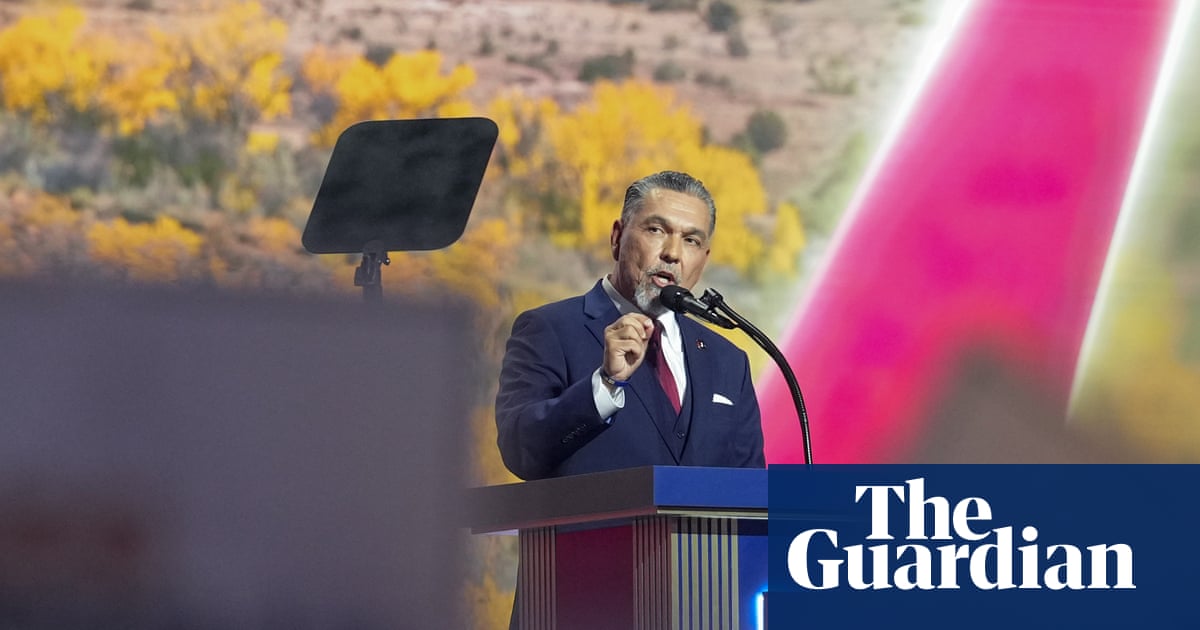
âÂÂI very literally would not be here if not for Charlie. He visited my church and he inspired me to take a stand and answer a call to serve on this new battlefield,â Cunningham said during a speech at the Republican National Convention in September. Cunningham saw Kirk speak at Legacy Church, which he called âÂÂa home away from homeâ in a campaign video.

Although still illegal, the Trump administration has tried to challenge the law banning churches from endorsing political candidates. In 2017, during his first term in office, Trump promised to âÂÂtotally destroyâ the Johnson amendment, the 1954 law barring tax-exempt nonprofits such as churches from making political endorsements. That year, he signed an executive order limiting the treasury departmentâÂÂs enforcement of the law.
After he was re-elected in 2024, Trump resumed efforts to chip away at the Johnson amendment. In 2025, the administrationâÂÂs Internal Revenue Service issued a court filing saying churches could endorse political candidates to their congregations. Although a court blocked the IRSâÂÂs proposal, TrumpâÂÂs justice department appealed the ruling in September.
Religious institutions, particularly evangelical churches, are increasingly testing the limits of federal laws barring electioneering. According to a recent analysis from researchers at the University of Notre Dame, Dartmouth and the University of Pennsylvania, 14.7% of churches engaged in direct political advocacy and endorsements during the three months surrounding the 2024 election.