New unredacted information in the copyright lawsuit The New York Times brought against OpenAI and Microsoft three years ago reveals an admission that AI scraping was tantamount to theft, and that AI products pose a major threat to publications.
Per the lawsuit, a top Microsoft executive privately described the companiesâ AI training practices as âÂÂtheft,â and OpenAIâÂÂs own leadership said its AI models posed an âÂÂexistential threatâ to the publishers and journalists whose work trained them.ÃÂ
The unsealed material also details how the companies allegedly obtained and used that content by bypassing paywalls undetected, building training datasets via mass scraping, and deliberately stripping copyright notices from training data.ÃÂ
ItâÂÂs worth noting that much of the new information comes from The Timesâ own brief, not the underlying exhibits, which remain sealed. The quotes below are presented without their original context.
The unredacted filing is the latest escalation in the three-year-old lawsuit, in which The New York Times initially alleged the firms violated copyright law by training generative AI models on its content.ÃÂ
The question of whether AI firms can legally use copyrighted material to train AI has no clear answer, but judges have been largely favorable to AI companiesâ arguments that training constitutes âÂÂfair use.â This legal rule lets people use copyrighted work without permission in certain cases, like parody, news reporting, or criticism. Earlier this month, the Trump administration contributed a brief in defense of OpenAIâÂÂs unlicensed use of copyrighted material to train its LLMs.ÃÂ
Several of the new admissions, however, run counter to OpenAIâÂÂs fair use defense, particularly the ruleâÂÂs requirement that use doesnâÂÂt substitute or harm the market for the original work.
For example, MicrosoftâÂÂs own data shows its Copilot âÂÂanswer engineâ caused click-through rates for The New York Timesâ domain to drop as much as 93% compared to traditional Bing search. An internal Microsoft presentation written by MicrosoftâÂÂs Director of Applied Science, Brent Hecht, in January 2024 describes the decline as a âÂÂdoom loopâ that would âÂÂhurt the performance of our models and the entire web at the same time.âÂÂ
âÂÂIt is highly unusual that an end-product threatens the economic foundations of its essential suppliers, but that is the situation we have created for our LLM business with respect to its âÂÂcontent supply chain,âÂÂâ reads the Microsoft document, as quoted in the filing.ÃÂ
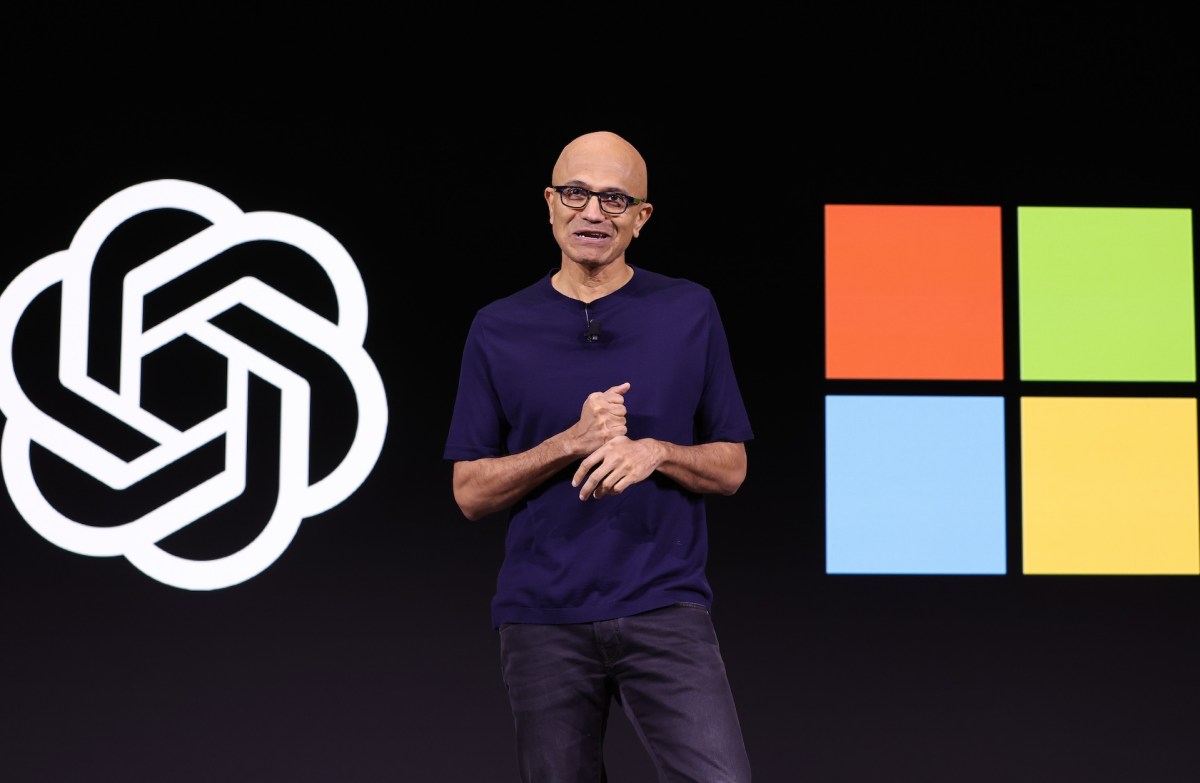
Microsoft CEO Satya Nadella also testified in a deposition earlier this year that âÂÂanything that is paywalled should be licensed by anyone who wants to use itâ¦for grounding or training,â and made clear that, if he âÂÂhad been made aware that OpenAI had scraped and trained on information that was behind a paywall,â he would have âÂÂinvoked [MicrosoftâÂÂs right to] require OpenAI to retrain its models.âÂÂÃÂ
Other admissions cut against different pillars of the fair-use test: OpenAIâÂÂs Head of ChatGPT, Nick Turley, wrote in internal communication that publishers face an âÂÂexistential threatâ from products like the chatbot, which are âÂÂlargely substitutiveâ and âÂÂwill get more and more substitutive as they get better.âÂÂ
OpenAI President Greg Brockman described the models as âÂÂexcellent at news.â Nadella agreed under oath earlier this year that conversing with chatbots âÂÂhas substituted ⦠giving you the information right there on the website on the AI platform versus needing to go to the underlying source.âÂÂ
That kind of language speaks to how the technology could directly compete with, rather than transform, the original work.ÃÂ
A Microsoft document states that there is a âÂÂreal riskâ that generative AI could âÂÂsignificantly disrupt the employment of the very people who generated the data on which the foundation model was trained.âÂÂÃÂ
The sheer scale of the copying is striking. The documents reveal for the first time that OpenAIâÂÂs mid-training datasets alone contain more than 91,692 copies of works published by the NYT, Daily News, and Center for Investigative Reporting. A Common Crawl-derived dataset included more than 2 million documents from nytimes.com alone.ÃÂ
In a January 2023 internal memo, Hecht called it âÂÂan astonishing theft of unprecedented proportionsâ and âÂÂthe largest theft of labor in human history.âÂÂ
The filing lays out in new detail how OpenAI and Microsoft went about acquiring the plaintiffsâ content, including scraping it from the Bing Index.ÃÂ
âÂÂOpenAI delivered the entire GPT-3 training dataset to Microsoft, which Microsoft used to evaluate how to implement OpenAIâÂÂs models within its own commercial products,â the filing reads. âÂÂMicrosoft similarly provided training data to OpenAI through initiatives called Project Taxi and Project Mango.âÂÂ
The companies allegedly assembled the Project Mango data into a training dataset that contains copies of at least 160,903 unique works from the news publishers.ÃÂ
In order to get the most out of their scraping, OpenAI employees allegedly came up with a plan to circumvent paywalls without detection. The filings show that when OpenAI researcher Nick Ryder told Brockman about a âÂÂhack to get around nytimes paywall,â Brockman replied: âÂÂah nice.âÂÂÃÂ
OpenAI employees also allegedly built training datasets like WebText and WebText2 that disproportionately relied on scraped news content. They also allegedly pulled millions of articles from Common Crawl, a free, open repository of web crawl data. The findings also describe deliberate efforts to strip copyright notices from training data before it reached the model, since researchers âÂÂwouldnâÂÂt want model outputtingâ âÂÂcopyright noticesâ to users.
OpenAI and Microsoft did not return requests for comment.
Topics
When you purchase through links in our articles, we may earn a small commission. This doesnâÂÂt affect our editorial independence.
