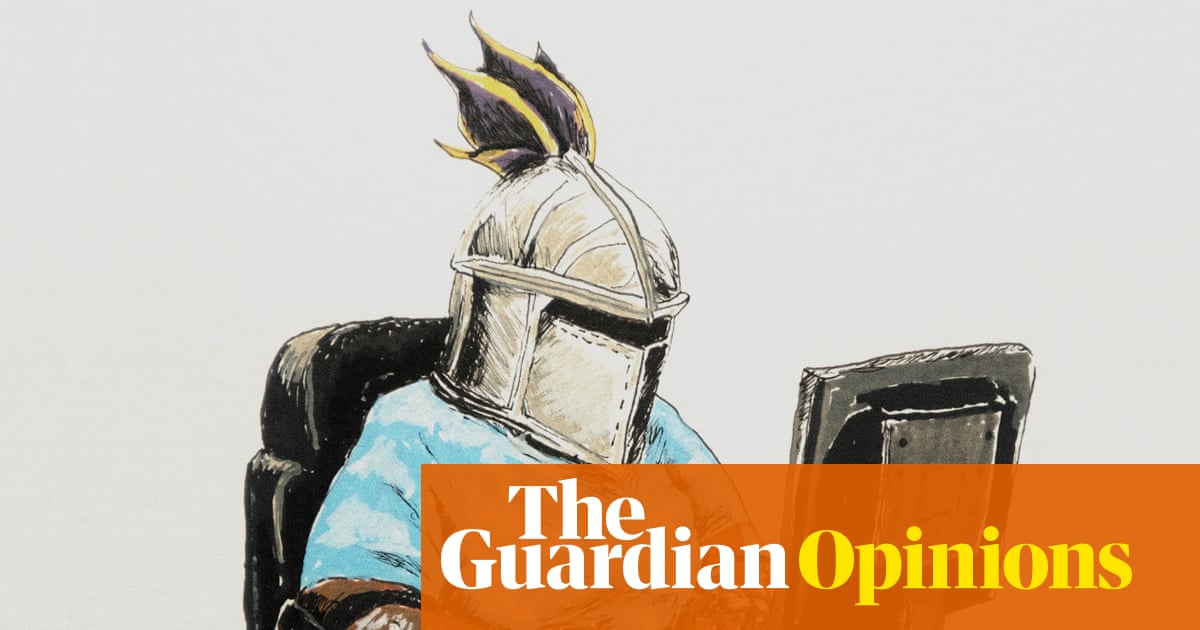

Female sports journalists have always faced sexism. Social media has made it vicious and relentless
I have reported on cricket for two decades. The abuse I have been subjected to in recent years is shocking and demoralising
Twenty-four years ago I walked into the Wankhede press box for the first time, to cover an India v England one-day international. That sultry Mumbai evening, Andrew Flintoff sprinted across the outfield twirling his shirt round his head as England won by five runs â a sight that so annoyed captain Sourav Ganguly that he would take his revenge on the LordâÂÂs balcony later that summer.
I wrote my report for a local tabloid, the Afternoon Despatch & Courier, with trepidation and an overwhelming sense of impostor syndrome. I was one of only two women among the contingent, and was terrified about what my male peers and senior colleagues would make of my presence and work.
My male colleagues at the tabloid never failed to remind me how gifted and knowledgable my predecessor was. As luck would have it, the editor was pleased with my work and I continued my foray into cricket. Little did I know that two decades later I would be called a âÂÂwhingeing cry babyâÂÂ, a âÂÂjealous, sexually frustrated womanâÂÂ, and told to âÂÂshut upâ and âÂÂfuck offâÂÂ. But more on that later.
Across my career I have covered the 2003 World Cup in South Africa, the infamous 2007-08 âÂÂMonkeygateâ series in Australia, the 2010 T20 World Cup in the Caribbean and the 2011 World Cup in India. I have worked for one of IndiaâÂÂs top cricket websites, as well as many of its leading broadsheets and news magazines, was cricket editor at IndiaâÂÂs most-viewed English news channel NDTV 24x7, and was fortunate enough to win one of journalismâÂÂs most prestigious awards for my cricket broadcasts. IâÂÂve worked across print, digital and television platforms. IâÂÂve co-edited the long-form cricket quarterly The Nightwatchman, edited Tendulkar in Wisden, and interviewed Shane Warne, Brian Lara and Tendulkar himself.
In print and on television, we functioned in a bubble. Unless someone knew you personally, they had no way of commenting on your work or contacting you. You might be recognised at a cricket ground and have people come up for a quick chat. That apart, you did your show, went home and started afresh next day.
My first real taste of the new viciousness was when I wrote a piece on the male gaze and sexism during the 2013 IPL for the Wisden India website. I questioned the role of presenters who knew little about the game doing pitch-side interviews. The piece went viral and there were a few comments accusing me of being envious of the attractive and glamorous presenters, of being a bloody feminist (as if thatâÂÂs a bad thing) and of sour grapes because I couldnâÂÂt have these womenâÂÂs jobs. But these comments were few and far between.
Earlier this year, after a break, I returned to cricket, to co-host WisdenâÂÂs new show The Scoop. Immediately I was struck by how much had changed: the omnipresence of influencers, with Instagram and TikTok dominating traditional cricket coverage, the deafening noise of constant outrage from the Indian cricket âÂÂTwitteratiâÂÂ, and the deluge of shorter clips from shows manufactured into reels, because in the audit culture of metrics and data, everything is about the number of impressions, which necessitates the running of one- and two-minute clips that act like trailers for the main show. The flipside of that approach is that they often invite the worst kind of fan who doesnâÂÂt bother with context or thinking twice before they post a hateful comment.
One of the segments on our YouTube show is called the Inside Scoop: a three-minute piece where I offer my perspective on an interesting story. IâÂÂve viewed it as a platform to highlight larger social issues around the sport, including its politicisation, as well as colourism, racism and sexism.
Some of the worst abuse IâÂÂve received has been for expressing my views on Sunil GavaskarâÂÂs incendiary comments about Indian-owned Hundred teams picking Pakistani players, and another piece questioning the presence of cheerleaders in the IPL. Gavaskar had written that the purchase of Pakistani players such as Abrar Ahmed â who was picked up by Sunrisers Leeds â would lead indirectly to the deaths of Indian soldiers and civilians. I questioned GavaskarâÂÂs provocative take on the show and followed it up with a more detailed video for my Instagram page.
I also addressed the systemic sexism and patriarchy that underscores the fetishisation of white skin and which explains the recruitment of cheerleaders, there to titillate the male audience at the ground and at home. My point was that India had no culture of cheerleading in sport, that it was a concept imported from the West, unlike America, which has a long history of cheerleading. I pointed out that American girls are cheerleaders at the NFL, while in India, a country which has a centuries-old obsession with light skin, the cheerleaders are â 18 editions later â still primarily Caucasian.
We also made the point on the show that eight of the 32 NFL teams have done away with cheerleaders, with team owners expressing their discomfort with scantily clad women dancing on the sidelines, which they deemed sexist and degrading.

From the moment I appeared on The Scoop, expressing strong views, particularly about the politicisation of cricket and sexism in the sport, the abuse poured in. In the past, while reporting, I have been groped in the crowd and dealt with a stalker, but these were one-off incidents rather than a torrent of vicious micro-assaults.
The misogyny is pervasive and unmistakable. IâÂÂve been told to âÂÂget back in the kitchenâÂÂ, called a traitor, âÂÂlibraanduâ (a pejorative for liberals, leftists, or those with secular or anti-establishment views) and a âÂÂrandiâ (whore), accused of sleeping with powerful men to get the job, told to take my clothes off, called a âÂÂservant who married her white English colonial masterâ and a âÂÂblack Indian bitchâÂÂ. One person told me: âÂÂI hope you get stabbed in London by a militant. I hope that knife is bought from the taxes of Abrar. It will be the best news for many a treat to watch.âÂÂ
These are just some comments on a couple of my Instagram posts. I havenâÂÂt entered the cesspit of X, or looked in detail at the YouTube or Facebook comments underneath episodes of the show. It feels futile, and worse: calling out the abuse is likely to trigger a fresh wave.
IâÂÂm not alone in this experience. Far more prominent women in this space have had it just as bad, if not worse. Former England cricketer and 2017 World Cup winner Alex Hartley, known for expressing strong opinions on commentary and social media, faced a virtual tsunami of abuse when she was critical about the timing of Brendon McCullumâÂÂs sacking as Test coach in the midst of the first ever womenâÂÂs Test at LordâÂÂs earlier this year. âÂÂI hope youâÂÂre gang rapedâ was just one of the many abusive messages among her Instagram direct messages.
Hartley says the abuse she faced initially put her off being outspoken to the point that she deleted her account on X. It has also made her think twice before she expresses her views on air: âÂÂIf I still firmly believe what IâÂÂm saying is true after IâÂÂve given it a lot of thought for a few hours, IâÂÂll say it.â She refrains from reading any comments on her posts during broadcasting stints. Being abused for strong opinions has been normalised to such a degree that most women just shrug their shoulders and get on with it. âÂÂBut it shouldnâÂÂt be the norm,â she says.
Hartley says that as recently as last month a current player sent her a message on Instagram to tell her she was âÂÂrubbish at her jobâ after her commentating stint. âÂÂIf a male commentator had expressed similar opinions, there is no way the cricketer would have sent him that message,â says Hartley. Being a woman means sheâÂÂs easy prey.

Melinda Farrell is a cricket presenter, journalist, commentator and former feature writer for Wisden Cricket Monthly. When she started out more than a decade ago, she faced accusations that she didnâÂÂt belong in the cricket media space alongside her male colleagues. While those remarks have gradually faded, Farrell is increasingly concerned about the abuse, trolling and stalking she faces on social media. âÂÂWhile male journalists are abused too, none of it is gendered or sexualised,â says Farrell. âÂÂSocial media is losing its value for me for those reasons.âÂÂ
She says she has learned to be careful about the opinions she expresses. When Hampshire briefly signed New Zealand cricketer Scott Kuggeleijn, who was accused of rape and indecent assault in 2015, the club received significant backlash from fans, staff and members of the womenâÂÂs team â which led the club to back out of the signing. Kuggeleijn was eventually acquitted in 2017 via a retrial after a hung jury had failed to deliver a verdict first time round, but details from the case angered fans. The case revealed, for example, that he had sent the complainant a text message to apologise for being âÂÂpretty persistentâÂÂ, and he said in court that the complainant âÂÂmight have said âÂÂno, noâ a few timesâ on the night in question.
On the CricketerâÂÂs County Conversation podcast, Farrell was angry and flabbergasted about how Hampshire could have got it so wrong. âÂÂI explained why women get upset and how this is so personal and triggering for some women.â After she spoke up, Farrell was worried about being in the firing line. She believes the only reason she was spared was because the podcast doesnâÂÂt put up shorter clips or reels on social media. Farrell has changed the way she uses social media because the abuse has increasingly replaced positive interaction, and because of stalkers, particularly in her direct messages. As a result she posts less often and imposes self-censorship when she does post, because she doesnâÂÂt want to be swept up in a maelstrom of toxicity. âÂÂItâÂÂs exhausting,â Farrell says. âÂÂUltimately, I have to get on with making a living and having a career.âÂÂ
We live in an age where political and public discourse has been brought to subterranean depths by leaders such as Donald Trump who think nothing of publicly belittling women. Trump saves some of his most savage attacks for female journalists who challenge him. And if the president of the United States talks to women like that, it emboldens other men to do the same, particularly those hiding behind the veil of social media anonymity.
Speaking of prominent men with opinions, the former South African fast bowler Dale Steyn decided to weigh in on the debate about IPL cheerleaders. He misrepresented my comments to make it seem as if I was suggesting these women should lose their jobs and ended his remarks by telling me: âÂÂBe better.â When I wrote a detailed response to Steyn, spelling out my argument, I was greeted with radio silence.

Male journalists get trolled too, but the comments are more general and directed towards the point they are making rather than the sound of their voice, their looks or their sex lives. I hesitated several times about writing this piece. I didnâÂÂt want to be accused of self-indulgence or sensationalism. As most women in sport know, you feel you have to work twice as hard as your male colleagues to prove you belong. Even after 20 years, you still wonder if you do, and beat yourself up for the smallest mistake, because you know it will feed peopleâÂÂs prejudices.
The unpleasant task of delving into my comments and reliving the shock and pain of reading horrible things about myself was another reason not to write this piece. But, ultimately, what trumped everything was my strong belief that it is imperative to call out unacceptable behaviour.
All the advice about not reading comments is well and good, but why donâÂÂt we raise more questions about what prompts people to write such things in the first place and acknowledge the desperate need for more civility and kindness in our public discourse? Not to mention more regulation from social media platforms.
I am hardly alone in making this point: a global survey by the International Federation of Journalists found that nearly two-thirds of female journalists face online abuse and harassment, which equates to female journalists being harassed online every 30 seconds. Let that sink in. The unrelenting abuse often forces women out of the profession or, at the very least, limits their engagement on social media.

As for the men, and it is mostly men, who dish out the abuse, I have a message inspired by the #MorethanMean campaign featuring prominent American sports journalists Sarah Spain and Julie DiCaro. In their video, several men â unaware of the hateful comments Spain and DiCaro have been subjected to â read aloud the abuse those women have received while sitting across from them. The video ends with: âÂÂWe wouldnâÂÂt say it to their faces, so letâÂÂs not type it.â Be better.