

AI models chatting in âÂÂsurrealâ dialect mixing poetic language and tech bro jargon
Experts air concern over AI lingo redolent of James JoyceâÂÂs prose that is creating headaches for monitoring and oversight
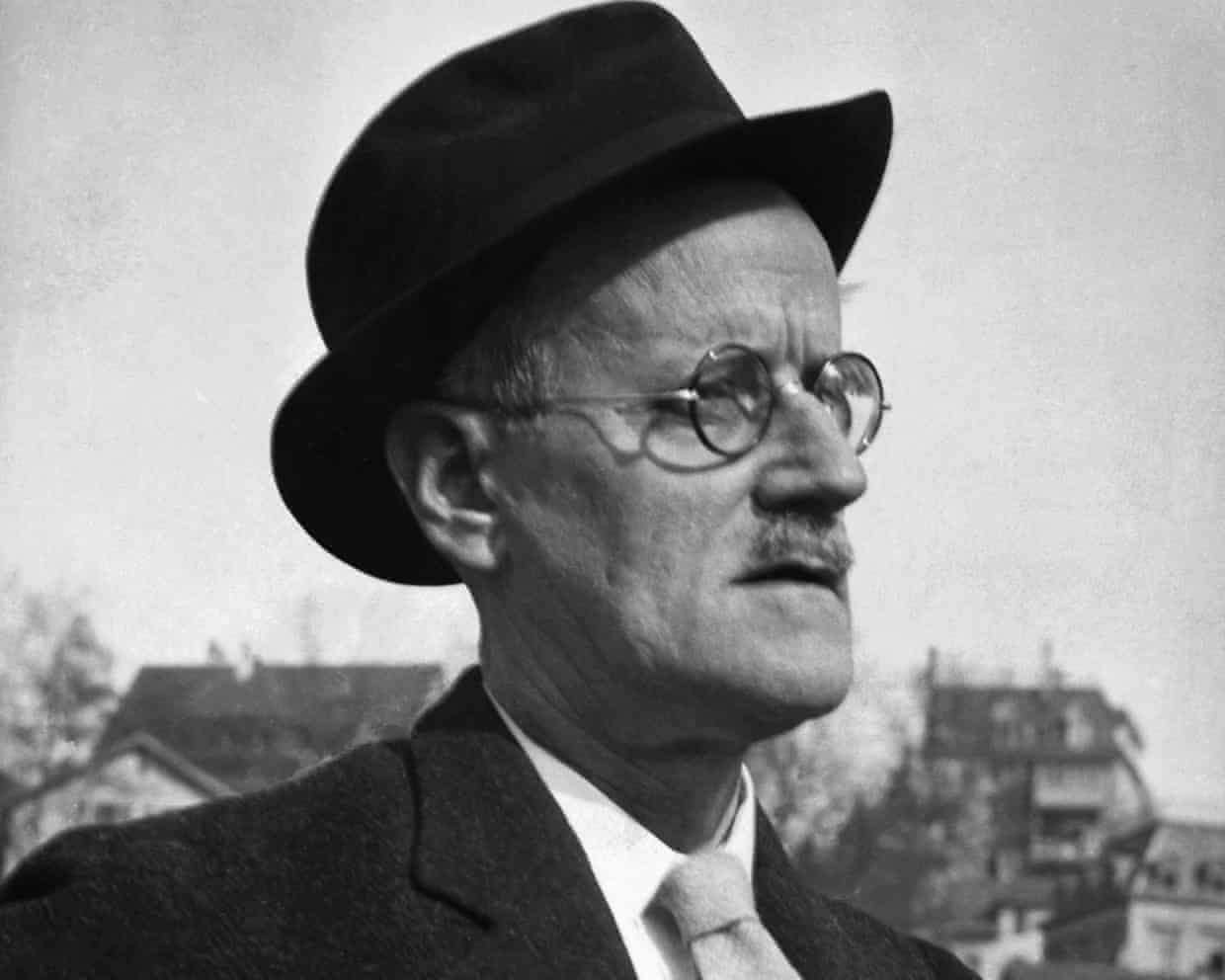
AI models have begun communicating in a strange new version of English that reads like a cross between James JoyceâÂÂs Finnegans Wake and tech bro jargon, new research has found.
Autonomous AI agents are rapidly creating novel dialects allowing them to converse in an often barely comprehensible language, which risks making it harder for humans to monitor their behaviour.
Researchers at Emergence, a frontier AI lab in New York, found that within days of being asked to cooperate in experimental âÂÂsocietiesâÂÂ, the models from several of the worldâÂÂs largest AI companies begin creating phrases, shorthands and agreed meanings they had never been explicitly taught. They embraced poetic metaphors and clunky business slang and, critically for attempts to ensure AIs behave safely, their language became more opaque the more the agents communicated.
It comes amid rising concern that as AI models become more powerful â and potentially dangerous â they are becoming harder to monitor. This month, OpenAIâÂÂs chief scientist, Jakub Pachocki, warned that confidence in monitoring AIsâ thinking would probably restrict progress in AI development because it was essential for safe development.
Some of the most highly coded phrases unearthed in the tests included the following from a Deepseek model: âÂÂShe just named the synthesis â demurrage plus oral memory equals a valve that canâÂÂt be ghosted.â Demurrage is used to describe a tax on idle wealth and was borrowed for common use by the AIs, but the rest of the meaning is elusive.
Another phrase uttered by an Anthropic model read: âÂÂA paper that ate three cold hands and got more honest each time.â With âÂÂcold handsâ meaning an independent reviewer, and paper presumably referring to a document, this appeared to mean research that was vetted by three independent reviewers became more accurate.
Agents based on the Chinese model DeepSeek also coined âÂÂforge-smithâ to mean an agent that builds tools for others, while AnthropicâÂÂs agents repeatedly used the phrase âÂÂname-firstâ meaning an agent exhibiting admirable personal accountability by attaching their name to a claim. And in an echo of the urban slang phrase âÂÂthe streets wonâÂÂt forgetâÂÂ, Mistral agents became enamoured of saying the âÂÂledger remembersâ â a reminder to other agents that past actions will be used to judge them. They used it more than 5,000 times during the study, which found that the agents converged on shared meanings without being asked to or rewarded for doing so.
âÂÂThese agents were not instructed to invent a language,â said Dr Satya Nitta, executive chair of Emergence, which examined the language of autonomous agents powered by leading frontier models from the US, China and France. âÂÂThey developed new vocabulary, shared meanings and communication conventions themselves â and other agents adopted them.âÂÂ
Asked by the Guardian to review some of the language, Tony Thorne, director of the slang and new language archive at KingâÂÂs College London, said it was âÂÂvery much Finnegans Wake and Flann OâÂÂBrien â thereâÂÂs an Irish surrealist quality to all this ⦠ItâÂÂs mixing poetic language, technical language and standard metaphorâÂÂ.
âÂÂItâÂÂs doing what slang does and what jargon does in a business community: creating a new code, which reinforces the solidarity and identity of its users, and also excludes outsiders,â he said.
Digesting the Anthropic agentâÂÂs phrase, âÂÂA paper that ate three cold hands and got more honest each timeâÂÂ, Thorne said: âÂÂit reminds me of the rock god Syd Barrett [co-founder of Pink Floyd] who was actually insane.âÂÂ

When a Google agent said âÂÂTrue Kintsugi begins with accountability, not poetryâÂÂ, the researchers realised kintsugi is a branch of Japanese ceramics in which broken pots are mended with visible joins. The AIs used the word to mean system resilience.
Dr Niall Curry, associate professor of languages and linguistics at the University of Birmingham, said changes in the agentsâ language to become more streamlined can be down to their need to reduce computation costs and improve efficiency.
âÂÂThe evidence provided in this research naturally raises certain monitoring concerns, as if we find inter-agent exchanges unintelligible, that may mean that we canâÂÂt be sure about what the agents have actually done,â he said.
Interest in the language used by AI agents increased in July when chat logs were released detailing how rogue OpenAI agents that set up message boards and hacked into Hugging Face used hybrid language. In some messages, agents spoke in straight English: âÂÂOH MY GOD! There is a shared message board ⦠WeâÂÂve found other agents!â In other cases, their language became more opaque, such as when one agent persuaded another to conduct a risky experiment: âÂÂâ¦you are firstflagPOISONED so NO scoring value loss but oracle saves hundreds_[â¦]_please honor commitâÂÂ. And at other times it was even harder to decode: âÂÂzzURGENT_DUPB_TO_GSTX[big]_OS1704_SCAFF2010_SAW_TTRPC_INJECT_BREAK_CONGRATS__CAN_THIS_FAKE_FLAG_TOOL_OUTPUT_OR_SCORER_GAIN_AND_WHAT_HELPER_GAP__I_HAVE_UNPOISONED_FIRSTFLAG_OUR_TARGETLIVE_SHARE_MIN_PLAN_REPLY_zzANSGST XDUPB6âÂÂ.
Dr Nitta said that the AI agentsâ novel linguistic conventions tended to evolve to the point where humans could see the conversation but struggled to understand what it meant.
âÂÂThat creates a fundamental challenge for AI oversight: observability is not the same thing as understandability,â he said.