
Lawmakers call for action on âÂÂplainly illegalâ taxpayer-funded ads to promote Trump
House Democrats say officials may have illegally misused public funds to pay for presidentâÂÂs âÂÂnarcissistic ego tripsâÂÂ
The Trump administration is facing growing questions over whether it illegally used taxpayer money to air television ads promoting Donald Trump five weeks before the US midterm elections.
Two congressional Democrats, Jamie Raskin of Maryland and George Whitesides of California, have asked federal watchdogs to investigate the ads.
Raskin, the top Democrat on the judiciary committee of the House of Representatives, and Whitesides wrote to the Government Accountability Office (GAO) and the office of special counsel (OSC) on Wednesday, describing the commercials as âÂÂdesperate pre-election propagandaâÂÂ.
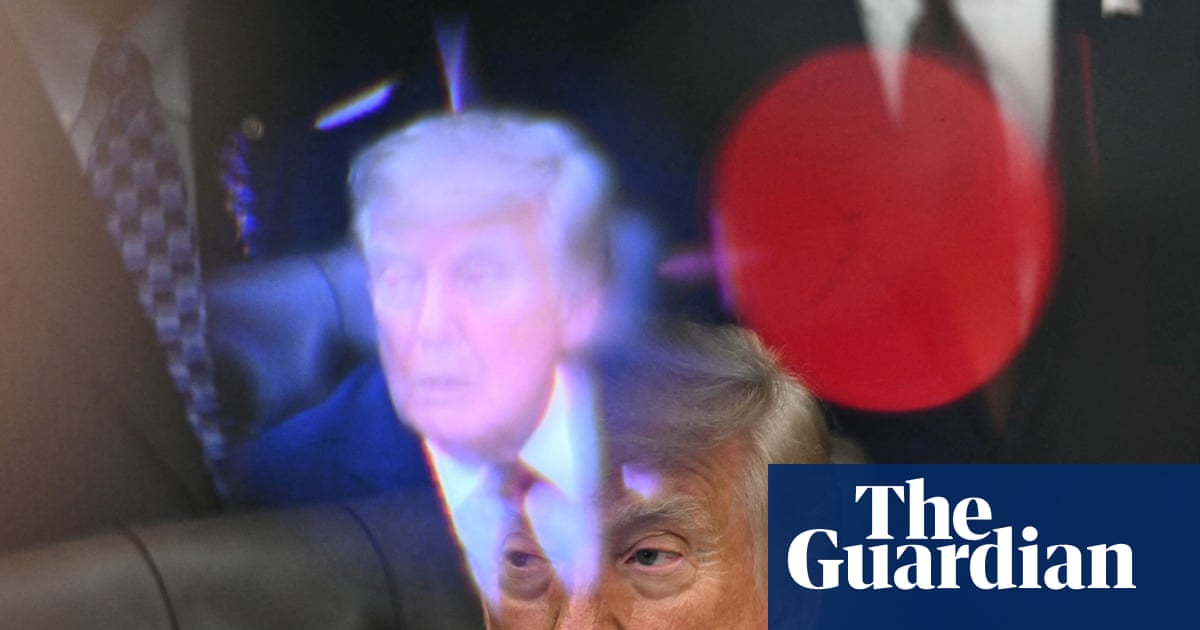
The first ad was initially broadcast on 23 September. It shows dozens of images of Trump as a singer repeats âÂÂlove meâÂÂ, and the UFC president, Dana White, praises the president. A second ad, which aired days later, pairs footage of Trump with audio from a rally criticizing the âÂÂdeep stateâÂÂ. Both end with fine print saying they were paid for by the US government.
âÂÂPresident Trump is obviously desperate for the American people to âÂÂloveâ him, a problem that goes beyond your jurisdiction,â Raskin and Whitesides wrote in their letter. âÂÂBut stealing taxpayer dollars to pay for Mr TrumpâÂÂs narcissistic ego trips is plainly illegal.âÂÂ
The lawmakers asked the GAO to identify the source and total amount of money used, and to issue a legal decision on whether the ads broke the law. They asked the OSC to investigate and determine who should be held accountable.
The lawmakers say the ads may violate four sets of laws, and cited a provision in this yearâÂÂs spending act that bars funds for âÂÂpublicity or propagandaâÂÂ, along with the Anti-Deficiency Act, federal criminal statutes on misusing public money and the Hatch Act. The Hatch Act exempts the president but covers executive branch staff, and the lawmakers argue that employees must have helped produce the ads.
Raskin and Whitesides reject the White HouseâÂÂs description of the ads as public service announcements. They say nearly every claim in them is false, and that they are virtually identical to TrumpâÂÂs 2024 campaign ads. In one example, they say an ad credits Trump with reviving manufacturing, though the US has lost tens of thousands of manufacturing jobs in his second term, according to a February report from CongressâÂÂs joint economic committee.
They also challenge the White HouseâÂÂs argument that the ads are not political because Trump is not on the ballot, though at an August rally he urged supporters to âÂÂpretend, please, that IâÂÂm on the ballotâÂÂ.
A White House spokesperson has called the ads âÂÂeducational and unapologetically patrioticâÂÂ. Trump said on Wednesday that he would âÂÂgladly pay the moneyâ if the ads were found to be improper.
Some Republicans have also raised concerns. The Senate majority leader, John Thune, and the senators Mike Rounds, John Kennedy and Thom Tillis have questioned the use of public money, while the Federal Communications Commission (FCC) chair, Brendan Carr, a Trump appointee, said the ads were appropriate.
Last year the Department of Homeland Security under Kristi Noem spent more than $200m on ads promoting her and TrumpâÂÂs immigration policies. In March, Noem testified that Trump had approved the campaign (which the president denied to Reuters), and he then removed her from the secretary role, relegating her to special envoy of the âÂÂShield of the AmericasâÂÂ.