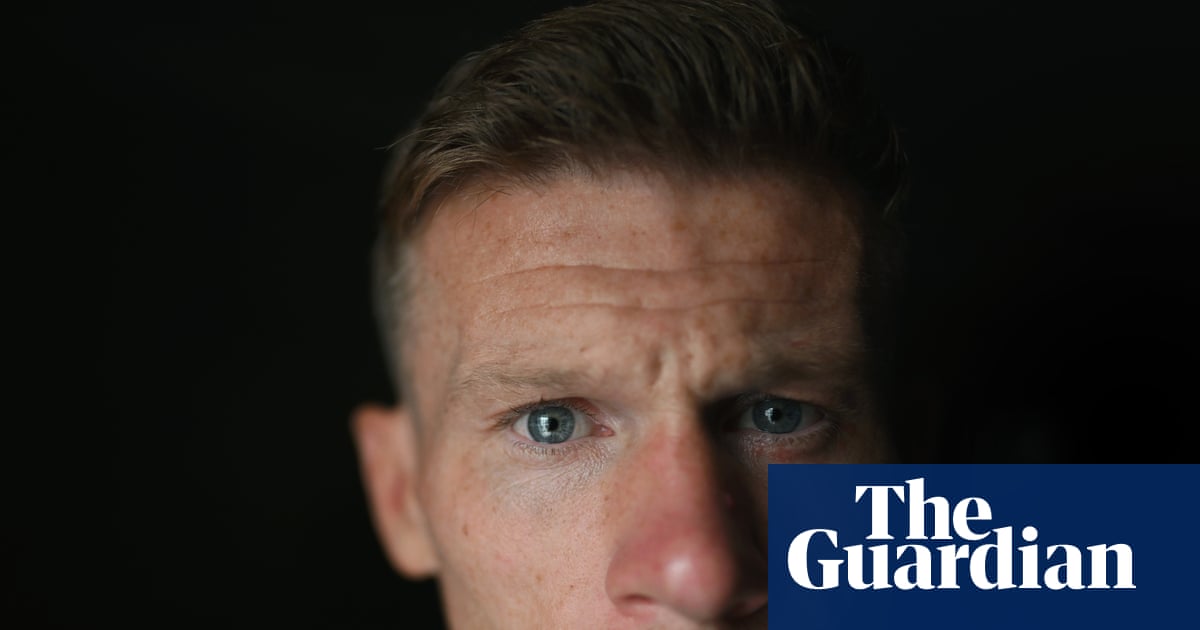

The former Republic of Ireland international on growing up in a community still reeling from the Troubles and the controversy that scarred his career
âÂÂThe perception of me is that, basically, I am a madman,â James McClean says calmly. âÂÂIâÂÂm outspoken. IâÂÂm a loudmouth. IâÂÂm very opinionated and I hate all things British. ThatâÂÂs from people who donâÂÂt know me. The reality is quite the opposite. IâÂÂm pretty boring. I go training, go home and switch off. A lot of my days are quite bland, quite basic.âÂÂ
McClean sounds as sane as he looks gaunt on a bleak Monday in Derry. He spent 14 years in English football and the fact that he is now at war with his own club, Derry City, canâÂÂt obscure the fact that he is the fifth-most-capped Republic of Ireland international, having played 103 times. âÂÂPeople define success in different ways,â he says, âÂÂbut IâÂÂm the only footballer from the north of Ireland to win over 100 caps for Ireland. I played 150 Premier League games over five seasons, 800 professional games and won a lot of individual accolades. I count that as success and donâÂÂt look back with regrets.âÂÂ
But thereâÂÂs sadness, too, in the way his life and career were scarred by his refusal to wear the poppy when playing games around Remembrance Sunday in England. âÂÂItâÂÂs completely changed me as a person,â McClean says. âÂÂItâÂÂs made me a bit of a recluse because I donâÂÂt trust a lot of people now. IâÂÂve been stung bad.âÂÂ
McCleanâÂÂs autobiography, The Walls, is one of the best sports books of the year. ItâÂÂs a powerful and sometimes disturbing read elevated by McCleanâÂÂs willingness to show himself in an unflattering light.
I have written a lot about Derry and boxing, and Bloody Sunday, but it helps to be back here to understand how McClean can respect the millions of soldiers who died in two world wars while refusing to forget how the British army killed so many Irish people in this city.

He comes from Creggan, the estate affected most on Bloody Sunday in 1972 when 14 unarmed civilians were killed by the British army in Derry. Six of the fatalities were from Creggan. In 2010, after the Saville report finally concluded that all the victims posed no threat, the British prime minister David Cameron apologised for the âÂÂunjustified and unjustifiableâ massacre.
McClean was born in Derry in 1989 and he writes that âÂÂlearning how to make a petrol bomb was one of my first life lessons. I was 11 before IâÂÂd properly mastered it.âÂÂ
He pauses when asked how he would feel if any of his three daughters or his son, who is 11, ended up making petrol bombs. âÂÂIâÂÂm very thankful they donâÂÂt have to. ItâÂÂs a different era now. I just want them to be proud to be Irish.âÂÂ
The 37-year-old spells out the contrast with his youth. âÂÂI grew up in a very Republican community still dealing with the effects of the Troubles. You would see gunmen on the street. People got shot, kneecapped. To get access to my street you had to go through a lane where you sometimes saw masked men doing punishment beatings. But you werenâÂÂt scared. You knew youâÂÂd done nothing wrong. That was the norm ⦠but itâÂÂs not normal.âÂÂ
His biological father, Joe Kelly, was an alcoholic in Creggan and McClean spoke to him only once â when he shouted at him in the street to stay away. But he remembers a happy childhood and, when his professional career began with Derry City, âÂÂI was very carefreeâÂÂ.
McClean was 22 when Steve Bruce signed him for Sunderland in August 2011. He made his Premier League debut that December after Bruce was replaced by Martin OâÂÂNeill. McClean soon became a regular starter and that first season in English football was full of joy and praise. He was fast, skilful and disciplined. Apart from wasting money his biggest vice was typing his name on Twitter where he would revel in glowing reports of his play.

âÂÂIt was amazing,â McClean says. âÂÂI never thought about the politics when I first got to England so up until November 2012, when the poppy thing started, I never experienced any bother.âÂÂ
Everything changed when he told Sunderland he wouldnâÂÂt wear the poppy because it also represented the British army which had occupied Derry for so long. âÂÂThere was never a decision for me to make,â he says. âÂÂWearing the poppy was just never going to happen. It was a very difficult year and I felt a lot of that could have been handled better by the club. But Sunderland came out with a statement before the game which drew all eyes on me. It was there to protect the club. They basically said this is JamesâÂÂs personal decision but we, as a club, wholeheartedly support the poppy appeal.
âÂÂI wanted to make my own statement but I was constantly told by the club that: âÂÂNo, no, itâÂÂll die over. Just leave it.â IâÂÂd just turned 23 and I thought the club had a duty of care to look after me and thatâÂÂs what they were doing. IâÂÂd won the player of the year the previous season but I felt they hung me out to dry.âÂÂ
McClean recalls that: âÂÂThe next game was away to Fulham on a Sunday, on Sky. A threat was made that I would be shot if I came on to the pitch. I remember [his wife] Erin panicking. It sounds extreme and people might say: âÂÂOh, wise up, youâÂÂre not going to be shot on TV.â But the night before the game I was assigned two police officers to stand outside my door. So the Met police took it seriously and that made it more real.âÂÂ
OâÂÂNeill brought him on in the second half and his every touch was booed â by the Fulham and Sunderland supporters. The vitriol poisoned his world but McClean kept searching for his name on Twitter. He became furious whenever, after a mutually respectful encounter with a member of the public, the person would go online to abuse him.
Sometimes McClean would track the person down and demand an apology. âÂÂMaybe that madness was always there, but it got stronger,â he notes.
McClean moved to Wigan before joining West Brom where, in âÂÂthe best kind of madnessâ he earned ã42,000 a week while he had his best spell in the Premier League. But as one poppy season blurred into another, the death threats kept coming, as did the warnings that Erin would be raped. McClean says: âÂÂMy reaction was always to fight fire with fire. I went into some games in the wrong frame of mind. It wasnâÂÂt: âÂÂCan I help the team?â It was: âÂÂI hope I score today so I can shush them up.âÂÂâÂÂ

McClean admits: âÂÂThere were days where I went looking for the conflict.â He posted a photograph of himself listening to his favourite Wolfe Tones song, The Broad Black Brimmer. âÂÂI knew exactly what I was doing,â McClean writes. âÂÂIt was an IRA song â and I was sure it would rile a certain type of person up.âÂÂ
By the time he reached Stoke, for whom he played 111 games between 2018 and 2021, his problems in English football reached a new low. âÂÂBrexit made the idiots louderâ and âÂÂthe poppy season seemed to be getting longer every yearâÂÂ. He had also made a stupid mistake during lockdown when he posted a photograph of himself, wearing a balaclava, with his two eldest children below a caption which read: âÂÂTodayâÂÂs school lesson â History.âÂÂâÂÂ
McClean thought he was being funny but his choice not to wear the poppy, in contrast, was heartfelt. âÂÂI thought others might have followed suit but it never turned out to be the case.âÂÂ
Did he feel that a more rounded understating of his stance had emerged by the time he enjoyed his happiest seasons in English football, while playing for a Hollywood-tinged Wrexham from 2023 to earlier this year? âÂÂA wee bit, aye. When you explain it to footballers youâÂÂve played with, and to people on a personal level, it opens their eyes and they say: âÂÂOh, I understand that.â But the overall British population? I donâÂÂt think so.âÂÂ
Reflecting on his Premier League years, McClean marvels at the brilliance of Kevin De Bruyne and Eden Hazard. âÂÂYou had to accept there were lads capable of doing things that were beyond you,â McClean writes. âÂÂBut there were also games where I thought I was coming up against a physical strength that I found suspicious. Coming back into the Premier League after a break convinced me that some players had to be benefiting from some kind of performance-enhancing support.
âÂÂI remember coming up against one player that IâÂÂd encountered at Sunderland who I always felt that IâÂÂd been able to match in terms of his speed and power. While IâÂÂd been away from the Premier League, heâÂÂd gone to a bigger club, and now he was a different animal completely.âÂÂ
These are startling allegations and, while McClean has no concrete evidence to support his doubts, he trusts his gut reaction. âÂÂIâÂÂve always been very fanatical about my fitness,â he says. âÂÂBut when you come against the top Premier League clubs, no matter what height, what size, theyâÂÂre just faster, theyâÂÂre stronger, and youâÂÂre thinking: âÂÂHow is that possible?âÂÂâÂÂ
After their daughter Willow was diagnosed with global development delay and autism, Erin persuaded him to be tested for autism. He was found to be âÂÂat the high-functioning end of the spectrumâ but he still struggles with the fact that âÂÂIâÂÂve probably got body dysmorphia or some kind of bulimia. Maybe itâÂÂs the autism thing, because IâÂÂm so strict with my diet 95% of the time. But when I canâÂÂt work out I binge. So if IâÂÂm travelling and flying, IâÂÂll just eat that much shite to the point where I have to make myself sick. I still feel really guilty, because the next day IâÂÂll punish myself in the gym â which is not healthy.âÂÂ

Life has become even more complicated since he returned to Derry City in January. âÂÂI was meant to be coming home for the fairytale ending. But you quickly realise the promises are just bullshit.âÂÂ
McClean has not played for the club since July and, asked about the situation, he says: âÂÂItâÂÂs not good. ItâÂÂs a player against owner and thereâÂÂs only one winner. I think thatâÂÂs it in terms of Derry City. You never think youâÂÂll be betrayed by your own so itâÂÂs painful.âÂÂ
When contacted by the Guardian, a spokesman for Derry City said: âÂÂThe club cannot speak to, or comment on, how James feels.â He also rejected the suggestion that Derry City had failed to fulfil any promises made to McClean.
Earlier this month, McClean said he couldnâÂÂt âÂÂunderstand or acceptâ the way he was being treated by the club and that he was fit to play despite being left out of the squad by interim manager Mark Connolly. Derry City then released a statement in which they said: âÂÂThe club has sought to resolve this internal matter privately. Out of respect for confidentiality and the fact that this dispute involves sensitive medical details regarding Jamesâ hip condition, the club have previously refrained from making any public statement on the matter.âÂÂ
McClean insists he could play football elsewhere but how does he feel if this is the end of his career? âÂÂIt doesnâÂÂt unsettle me because IâÂÂve been boxing off and on for 10 years and in the past 18 months IâÂÂve really thrown myself into it. IâÂÂm not going to start a pro boxing career because itâÂÂs just not feasible at my age. But IâÂÂve been in contact with Misfits and they want me to fight.âÂÂ
Misfits Boxing was set up by KSI and the Sauerland brothers, who made their name in the traditional fight game, and it features YouTubers and former athletes who want to become boxers. It is dismissed by boxing purists but McClean sounds enthusiastic about making his debut in the ring once his contract with Derry expires: âÂÂBoxing is giving me that purpose to wake up and train hard.âÂÂ
What kind of boxer would he like to become? âÂÂIâÂÂm a pressure fighter. I like to be constantly in someoneâÂÂs face because IâÂÂve got the fitness to maintain that. IâÂÂm not saying IâÂÂm by any stretch of the imagination a [Gennady] Golovkin or a Canelo [ÃÂlvarez], but I love watching them. IâÂÂm not looking to have a career in boxing but three or four fights a year is perfect. The dream was always to be a footballer but this is a new excitement, a new challenge.âÂÂ
As we prepare to step out into a rain-sodden Derry, there seems little chance of any reconciliation for him on the football field. But he looks up and his taut fighterâÂÂs face suddenly relaxes into a smile. âÂÂIt could be a blessing,â McClean says softly. âÂÂIt could end up a blessing in disguise.âÂÂ