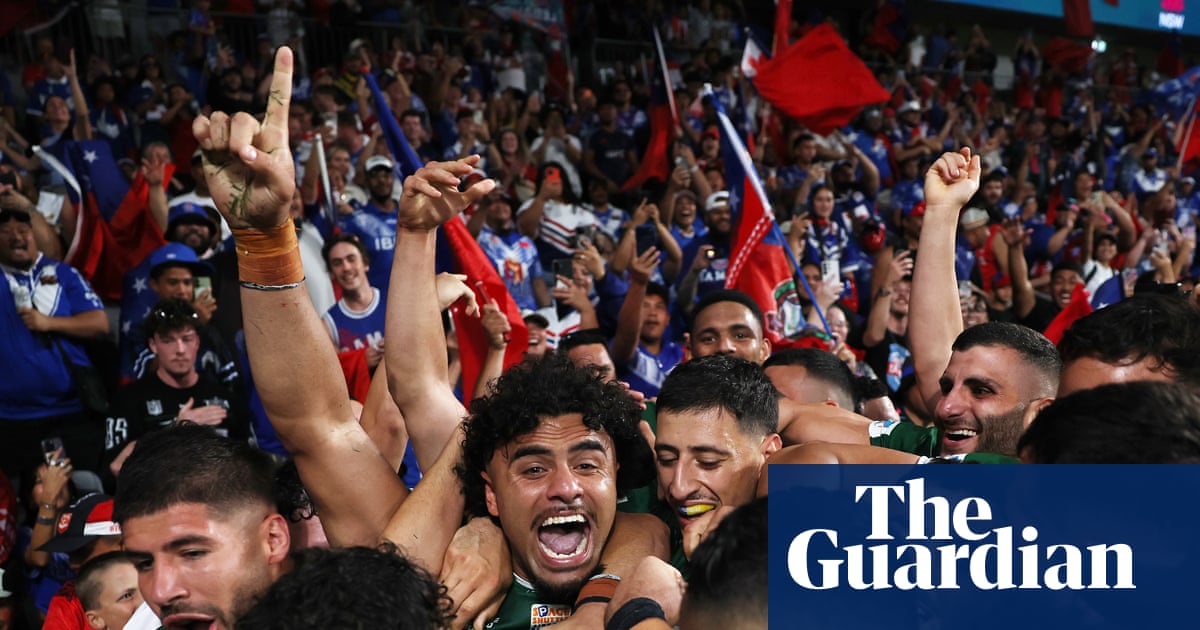

âÂÂItâÂÂs in our bloodâÂÂ: Lebanon, Ukraine and Syria rugby league teams fly the flag despite horrors of war at home
Players from war-torn countries say they are determined to âÂÂgive people hopeâÂÂ, âÂÂput the country on the mapâ and âÂÂwear the badge with honourâÂÂ
There are many reasons for a country to not play rugby league. Being at war does not seem to be one of them. Last Sunday, a few miles apart in Sydney, Syria and Lebanon played international fixtures on contrasting stages. Syria hosted a series of friendlies at the humble home of Bankstown Bulls, before Lebanon played an all-time World Cup classic against France in a frenzied CommBank Stadium. A few days earlier, Ukraine had played a crucial European Championship match in Belgrade.
Lebanon beat France after a wild finish, suggesting they are still among the top eight teams in the world, even if their ranking is far lower due to their inactivity since the last World Cup. The country has been torn apart by the war in the Middle East. âÂÂOur last game together was in England in 2022,â said prop Jalal Bazzaz, who played in all three of LebanonâÂÂs matches at the World Cup. âÂÂSo our aim was just to be good each week. We talked about giving back to where we come from, our roots. ItâÂÂs in our blood. To put on that jersey, represent my country and put Lebanon on the world stage â it gives people something to smile about, a bit of hope.
âÂÂMy father came to Australia when he was 11. We grew up in a Lebanese household: the food, the music, you name it. My grandparents could only speak Arabic. My father speaks fluent Arabic. IâÂÂve been around it my whole life. A lot of the boys speak Arabic.â As does Michael Cheika, whose spell as Lebanon head coach ended in extraordinary fashion last Sunday.
Back home, Lebanese sports fans have followed the countryâÂÂs rare appearance on a world stage. âÂÂItâÂÂs on TV there,â said Bazzaz. âÂÂMy mum is in regular contact with people in Lebanon and they loved it. They reckon their whole place is involved. To be able to do that, itâÂÂs a blessing, putting Lebanon on the map.âÂÂ
Lebanon were missing Mitchell Moses, Adam Doueihi and other NRL players through injury, but that provided opportunities for others. Over the past fortnight, the Canterbury Bulldogs player Alex Conti has become a star. The previously uncapped 20-year-old made a name for himself in the group stage, conducting a head to head with France star Arthur Mourgue on Sunday up there with Kalyn Ponga v Reece Walsh in the NRL Grand Final.
Conti was partnered by St George youngster Shadi Hammoud. âÂÂI donâÂÂt even know what club he plays for,â admitted Chieka after his final game in charge. Hammoud was overcome by the experience: âÂÂI wear the Cedar on my chest with honour. IâÂÂm representing my family and everyone who moved over to Australia to give us a better life. ItâÂÂs a little way to repay them for that.âÂÂ
Having lost their IRL full-member status, Lebanon are unlikely to be at the 2030 World Cup. The domestic scene stopped after the Beirut port explosion in 2020 and is only starting back up now. Despite the ongoing violence, there has been a rugby nines tournament and a referees course at the Lebanese American University in Beirut.
Lebanon will not meet the IRLâÂÂs deadline of March 2027 for consideration for the 2030 qualifiers unless the goalposts are moved. Anything is possible given the impact their team and fans had on this World Cup. âÂÂItâÂÂs quite upsetting,â says Bazzaz. âÂÂAll these younger guys coming through canâÂÂt experience what IâÂÂve experienced the last two World Cups. ThatâÂÂs quite sad, but hopefully we can get back on track.âÂÂ
Lebanon will continue developing talent in the Heritage RL network, where more than a dozen countries play XIII and nines, among them close neighbours Syria. Many players are eligible for both Syria and Lebanon; UN figures suggest nearly seven million displaced Syrians have fled the country in the 15 years of civil war, with more than a million refugees settling in Lebanon.

Miraculously, Syria are fielding menâÂÂs, womenâÂÂs, boys and girls teams at several age groups in Australia. Four years ago they did not exist. âÂÂOur first training session, we had two players there â now we are getting over 100,â says Abdul Nabhan, the president of Syria Rugby League. âÂÂPlayers are coming from all around Sydney and from Central Coast. They see this opportunity to play for Syria and they get here. We have Syrian players in France contacting us, but weâÂÂre not in a position to bring them across yet.
âÂÂWe have kids from 15s up, as well as a girlâÂÂs team and womenâÂÂs. The majority have Syrian grandparents but some have parents too. We have some girls who are close to NRLW and we have boys in New South Wales Cup. Our relationship with Lebanon is great. TheyâÂÂve been through what weâÂÂre going through now.âÂÂ
Nabhan is working towards getting observer member status with the IRL, which is the first step towards being able to play official internationals. His biggest achievement will be getting rugby league established in war-ravaged Syria itself. The sport has no history in the country but a new competition has been established and universities are signing up to compete. âÂÂTheyâÂÂve signed up to play a local competition, but obviously itâÂÂs taking longer because of whatâÂÂs happening,â says Nabhan.
âÂÂItâÂÂs not very stable. Rugby union is very big there and we have some players going across to Syria this week to play in the Asia Cup. But, because rugby league is so big in Australia, we are getting there. ThereâÂÂs been a lot of traction the last few months. For us to have done what weâÂÂve done in four years is incredible.âÂÂ
While watching SyriaâÂÂs men in action at Bankstown, I chatted to a local man of Syrian heritage whose nephew was playing on the wing. âÂÂThe whole thing â representing your country, your family, your people â itâÂÂs beautiful,â he says. The result was far from beautiful. Syria conceded three tries in the first eight minutes and were beaten 36-6 by the Ozzy Cooks, a team of local Cook Islanders. There was a lot of swearing under the sticks and shouts in Arabic float across the field. NabhanâÂÂs wife, Amanda, is the teamâÂÂs manager, and their daughter, who has played for LebanonâÂÂs womenâÂÂs team, is also on the touchline helping out. ItâÂÂs a family affair.
Running rugby league teams and competitions in war zones is not impossible. Ukraine have played regularly in recent years and were up to 10th in the world rankings before a surprise defeat by the Netherlands in Belgrade last month cost them the Euro B title. They have beaten Greece, Italy, the Netherlands and Czechia since PutinâÂÂs tanks rolled over the border.
Ongoing nightmares in Lebanon, Syria and Ukraine ensure that more people will be displaced and many will land in rugby league-playing communities. âÂÂMy dad came over in the 1980s and people are still coming,â said Bazzaz. âÂÂTheyâÂÂve been through hell and back over there. So weâÂÂll have a lot of more coming through.âÂÂ