
How BrazilâÂÂs election result could shape womenâÂÂs football in the country
Female players including Carlinha and Tayla Carolina have spoken out against the far-right, who they fear will harm the womenâÂÂs game as well as wider society
The day before the first round of Brazilian elections, the Estádio do Morumbi hosted the second leg of the Brazilian WomenâÂÂs Championship final, in which São Paulo drew 1-1 with Corinthians to win 3-2 on aggregate and secure the Brasileirão WomenâÂÂs title.
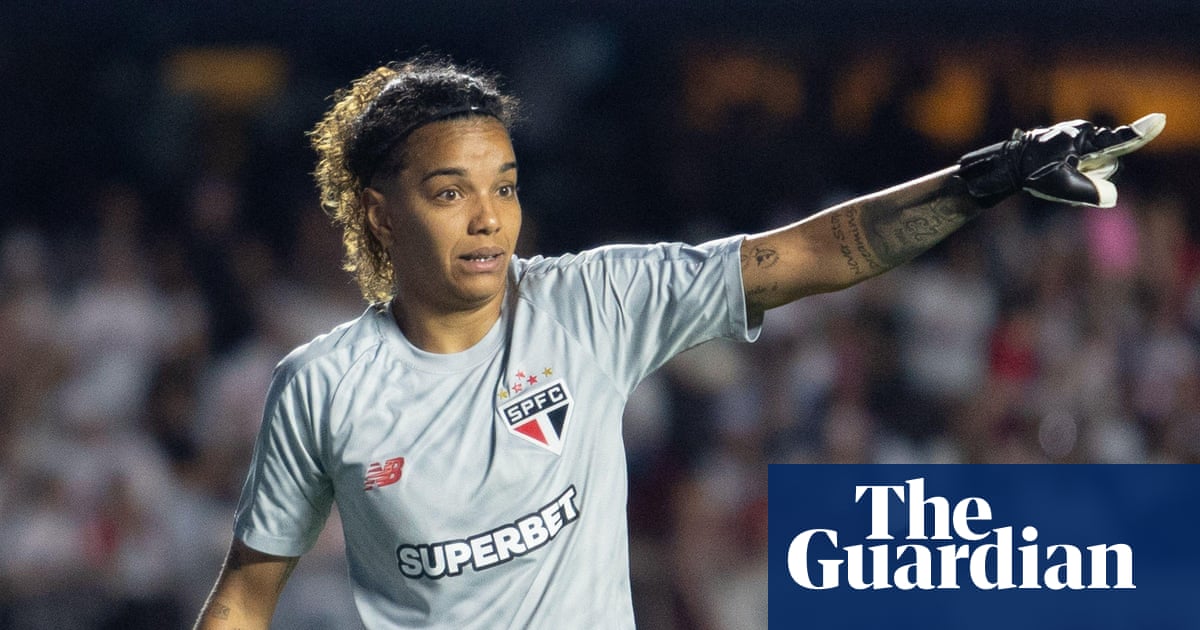
It had been an incredible final but after the game the goalkeeper Carlinha used an interview to appeal to her fans: âÂÂNever again Bolsonaro in power,â she shouted to a record-breaking TV audience of 23 million people.
Having lost her grandmother during the Covid-19 pandemic, Carlinha recalls the challenges faced by hundreds of thousands of Brazilian families when the far-right president Jair Bolsonaro spread fake information about the virus while ignoring public appeals for the government to buy and distribute vaccinations. More than 700,000 Brazilians died during the pandemic. Now his son, Flávio, is standing against the 80-year-old incumbent leftwing president, Luiz Inácio Lula da Silva.
âÂÂI didnâÂÂt just think of [my grandmother] when I gave that interview, I think about her and miss her every single day,â Carlinha tells Moving the Goalposts. âÂÂI felt relieved after talking about my personal opinion in such an important moment of Brazilian democracy. IâÂÂm a journalism student and I know the impact if the right wins the elections.âÂÂ
Carlinha is one of several female football players who have used social media and their visibility to speak up before and during the presidential election, which will come to an end on Sunday with a second-round vote. The father of the Bolsonaro dynasty is currently under âÂÂhumanitarian house arrestâÂÂ, serving a 27-year sentence for a coup attempt.
CarlinhaâÂÂs club and international teammate, Tayla Carolina, went viral the weekend after discussing her familyâÂÂs background and how public policies implemented during LulaâÂÂs government were important for her mother and grandmother, who have worked as cleaners throughout their lives and have since passed. âÂÂIâÂÂm from a very humble family, IâÂÂm a Black woman. IâÂÂve studied in public schools and used the national healthcare system ⦠my mum, dona Dora, worked for over a decade for someone who never paid her labour rights ⦠and she worked until she couldnâÂÂt walk any more due to the cancer that took her from us. She never saw me play because she never had the time, she never rested,â she wrote. Her story resonates with many Brazilians who fought for shorter working weeks, approved earlier this week in congress.

Tayla elaborates her point: âÂÂIâÂÂm from a country where most of the people are poor but the country is not seen as poor. It shows there are huge inequalities, which come from exploitation. Years have passed and thereâÂÂs still a lot of inequality and I come from it ⦠as a public figure, and someone who has lived similar lives to the majority of Brazilians, I feel the responsibility to speak up.âÂÂ
The player organisation Fifpro has just released a new study showing that nearly half of female football players think of early retirement owing to the psychological and financial pressures of the womenâÂÂs game (800 professional players took part). With the WomenâÂÂs World Cup being staged in Brazil next year both Carlinha and Tayla feel the election will have a huge impact on the game going forward.
âÂÂThere is one side that makes it quite clear how they feel about womenâÂÂs rights,â says Carlinha, referring to, among other things, politicians such as Eduarda Campopiano, one of the most voted members of the São Paulo Assembly, who calls herself an âÂÂenemy of feministsâ and has said she does not believe in femicide â that women and girls can be killed because they are women. Tayla also feels the need for policies to support the womenâÂÂs game at a crucial moment. âÂÂWe still need government incentives, so it may not be immediate, but the game will be affected, positively or negatively, depending on how the elections go.âÂÂ
Lula approved the World Cup law in June 2026, which regulates many aspects of the tournament, including how ministries, the Brazilian FA (CBF), state federations and clubs will commit to developing a legacy and supporting the womenâÂÂs game in the country. The legacy plan, divided into four strands, proposes supporting access and permanence of girls and women in football, developing and professionalising the game, fighting gender- and racial-based discrimination, and enhancing the economic and cultural aspects of womenâÂÂs football in Brazil. The commitment to the tournament is stated in LulaâÂÂs government plan. BolsonaroâÂÂs proposals for womenâÂÂs sport do not mention the World Cup; instead, he proposes âÂÂensuring that womenâÂÂs categories, from youth to elite, are played by athletes of the female sex, protecting women and tournaments from ideological agendasâÂÂ.
Brazilian football, menâÂÂs and womenâÂÂs, has been heavily politicised for decades, and the rise of social media has led to an increase in players publicly supporting their political candidates. In the menâÂÂs game, the far-right is often championed by the Santos and Brazil forward Neymar, who has showed support for the Bolsonaro family on many occasions. TottenhamâÂÂs Richarlison, meanwhile, is positioned on the left and this week accused Flávio Bolsonaro of âÂÂtaking possessionâ of an island he says he bought a few years back.
The countryâÂÂs female players do not have the same number of followers on social media and cannot influence a big audience in the same way as the men. However, it is true that the result of the election is likely to have more of an impact on the womenâÂÂs game than on the menâÂÂs.

Kely Nascimento, the daughter of late football legend Pelé and founder and executive director of the Nascimento Foundation, says: âÂÂFemale players, female athletes, they donâÂÂt have the protection of wealth. What feeds the brilliance of Brazilian football are the players, and they mostly come from communities, favelas and other places that are going to be hugely affected by these elections. Women are more affected by all this, right?âÂÂ
Carlinha, who played in one of the two recent friendlies against Argentina, says playing for the national team at home is âÂÂone of the best feelings everâÂÂ. At both stadiums, in Porto Alegre and Recife, the crowd predominantly chanted in support of Lula, which could be heard over the TV commentary during the broadcast.
The politicisation of womenâÂÂs football is not new, as Brazilian womenâÂÂs football historian and author Aira Bonfim explains. âÂÂThis is a hundred-year-old history, because we have episodes of women playing football in Brazil since 1915, and the womenâÂÂs game reveals different perspectives of gender inequalities, racial inequalities, class, territory, which will affect the progress of the womenâÂÂs game,â she says. âÂÂBy knowing womenâÂÂs football history, we can look at episodes which are equally as political, such as the ban on the womenâÂÂs game [between 1941 and 1979], the persecution of women, and lies that were told so that female players would give up on it.âÂÂ
One of the pieces of history that she has uncovered in her research became a short film, which debuted earlier this month at the Rio Film Festival, The House of Dona Carlota, produced by Mymama Entertainment and directed by Lili Fialho and Bruna Linzmeyer, which tells the story of a woman who was arrested and persecuted because she led a womenâÂÂs football team, Primavera Atlético Clube.
It shows womenâÂÂs football as a space of socialisation, sport and resistance to the Estado Novo dictatorship in the late 1930s and early 1940s. The womenâÂÂs game was banned in Brazil for decades, and the World Cup in 2027 is where many hope its renewed development will be consolidated.
âÂÂWhatâÂÂs at risk [in this election] is a waste of all of the human investments in building social legacy plans. There is also the risk of dismantling all political communication that has been done to support [the World Cup] through the ministries, cities and state governments. If you elect someone who did not make any commitments towards it, who did not commit to the World Cup or what it represents to women, it can be a huge loss,â Bonfim says. âÂÂJust the fact that during Jair BolsonaroâÂÂs government he removed the status of the ministry of sports reveals how he feels about the sector.âÂÂ
The hosting of a WomenâÂÂs World Cup is key in developing public policies and attracting investment and support. As Nascimento says: âÂÂThere are girls all over Brazil for whom football is not just their dream, but itâÂÂs also how they get out of very awful situations. And there are amazing people doing GodâÂÂs work all over Brazil just to get girls to play, to be educated in another way ⦠for some reason, Brazil just makes football magic, and thatâÂÂs not gender-specific. And thereâÂÂs an enormous Brazil that is being ignored and taken advantage of.âÂÂ
There are many reasons for the international community to look closer at the second round of BrazilâÂÂs elections on Sunday, from how it can affect climate change, foreign policy and financial markets to many other issues. WomenâÂÂs football, and all it represents, is one of them.
Get in touch
If you have any questions or comments about any of our newsletters please email [email protected].
-
This is an extract from our free email about womenâÂÂs football, Moving the Goalposts. To get the full edition, visit this page and follow the instructions. Moving the Goalposts is delivered to your inboxes every Tuesday and Thursday.