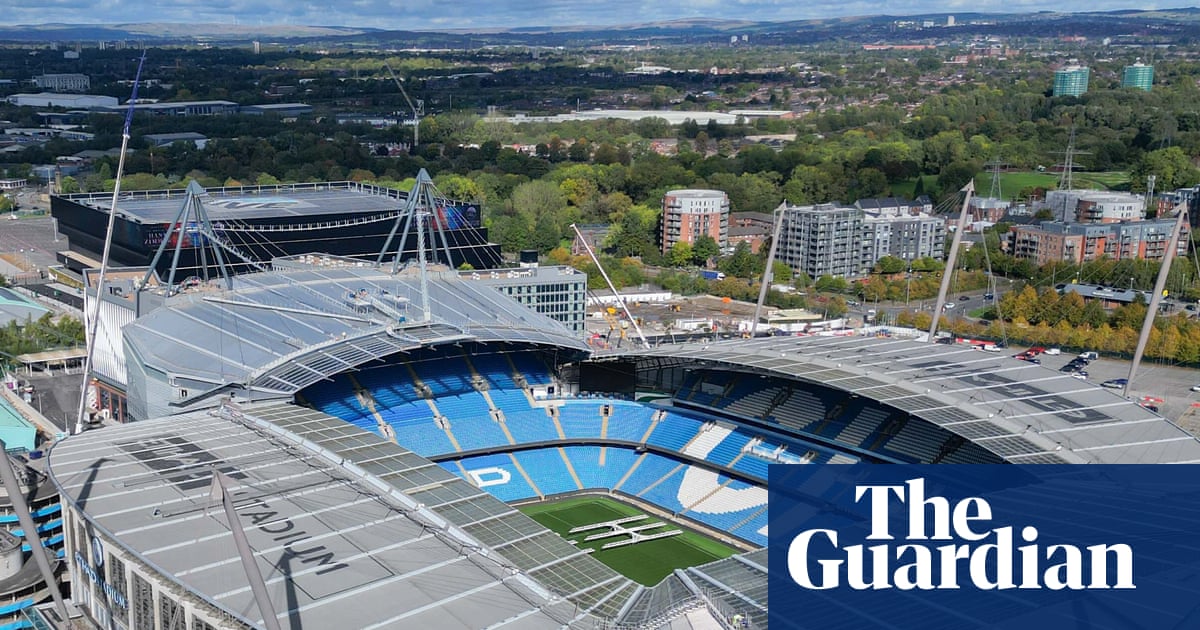

Football regulator chair insists he will resign if politically pressured over Manchester City
Kogan says he has faced âÂÂabsolutely no political pressureâÂÂ
Regulator wants deal on redistribution through leagues
The chair of the Independent Football Regulator (IFR), David Kogan, has said he will resign if he faces any political pressure on how to respond to Manchester City being found guilty of breaching Premier League financial rules over a nine-year period, insisting âÂÂmy independence is absoluteâÂÂ.
Kogan could remove CityâÂÂs Abu Dhabi United Group (ADUG) should the damning verdict of an independent commission be upheld at the end of an ongoing appeal process. Concern had been raised, however, that the proximity of CityâÂÂs ownership to Abu DhabiâÂÂs rulers could trigger a political intervention by the UK government and an immediate test of the new regulatorâÂÂs powers.
Those concerns have been rebuffed by Kogan. âÂÂOur independence is absolute and my independence personally is absolute,â he said. âÂÂI [have] made it very clear ⦠any form of political interference on the way we operate is going to result in my resigning from this role, and I stand by that completely. And, just to be crystal clear, weâÂÂve come under absolutely no political pressure whatsoever on this or any other topic.âÂÂ
Kogan was speaking on Tuesday at the launch of the long-awaited State of the Game report, a document that lays out the financial challenges facing the English football pyramid. The City case has cast a huge shadow as the regulator prepares to introduce a new licensing regime for clubs later this season. âÂÂWe have powers within the legislation that allow us to review not only owners and directors and senior executives, but also whether those owners are fit and proper people to run clubs going forward,â said Kogan, describing the process by which the regulator might intervene.
âÂÂThat process is reliant on us having very detailed knowledge and information, which requires a certain amount of investigation. Then we would take judgments based on the legal advice that we then receive.âÂÂ
Should a club owner ultimately be found to have failed a âÂÂfitnessâ test related to âÂÂintegrity, honesty and financial soundnessâÂÂ, the regulator could force the club to be sold. âÂÂWe deal with issues of this type much more frequently than you might realise because we are constantly looking at clubs,â Kogan said, stating if any decision by the regulator became the subject of legal action then clubs would be asked to foot the bill through a funding levy.

The acceleration of revenues among the Premier LeagueâÂÂs biggest clubs is one of the key findings in the State of the Game report. The highest earning top-flight club currently earns 605 times the revenue of the lowest earning National League club. At the same time, spending has increased at all levels of the game, with 94% of the 116 clubs under the regulatorâÂÂs regime posting a financial loss in 2025-26. In one particularly eye-catching statistic, the report found 11 Football League clubs recorded costs that exceeded their income even once player wages had been stripped out.
Kogan argued that a number of external factors that fall outside the regulatorâÂÂs purview are affecting the game, including the expansion of the club calendar, the regulation of playersâ agents and the recent rise in interest rates. However, he argued that one key measure â the agreement of a redistribution deal between the Premier League and EFL â could unlock change immediately.
Arguing that parachute payments to clubs relegated from the Premier League have had a âÂÂdistortive effect thatâÂÂs grown over the yearsâÂÂ, Kogan made clear if a deal was done that reduced parachute payments but increased the amount going to all clubs then âÂÂthat will go some way towards looking at the distorted effectâÂÂ. Once that money was distributed, he said, âÂÂyouâÂÂre going to see a softening effect going through down the 116 clubsâÂÂ, meaning the top five menâÂÂs divisions.

The Premier League welcomed the publication of the report, arguing: âÂÂIt recognises what English football has built â the worldâÂÂs most popular league, the leading second tier, and a pyramid of unmatched depth.â The league argued that a recent offer of financial redistribution to the EFL â understood to amount to ã320m per season â âÂÂmeets the objectives the IFR has set out in its reportâ and said it âÂÂremains committed to concluding a long-term partnership with the EFL that is fair, generous and balances the interests of all clubsâÂÂ.
The EFL said the reportâÂÂs findings âÂÂreinforce the EFLâÂÂs longstanding position that English football generates sufficient revenue to sustain both a successful Premier League and a thriving pyramidâ and said it remained âÂÂcommitted to working constructively with the Premier League and the regulator to secure a financial settlement in the interests of the whole gameâÂÂ.
Meanwhile, the secretary of state for culture media and sport, Lisa Nandy, said the stark figures covered in the report had âÂÂblown the doors off the gameâÂÂ. She urged football authorities to âÂÂconsider these findings for the good of the game, for the fans, and for the communities of which they are so often the bedrockâÂÂ.