
Flip voters discovered that TrumpâÂÂs racism and xenophobia are expensive

MagaâÂÂs regret voters were all-in for TrumpâÂÂs racism. Then they found out they couldnâÂÂt afford it
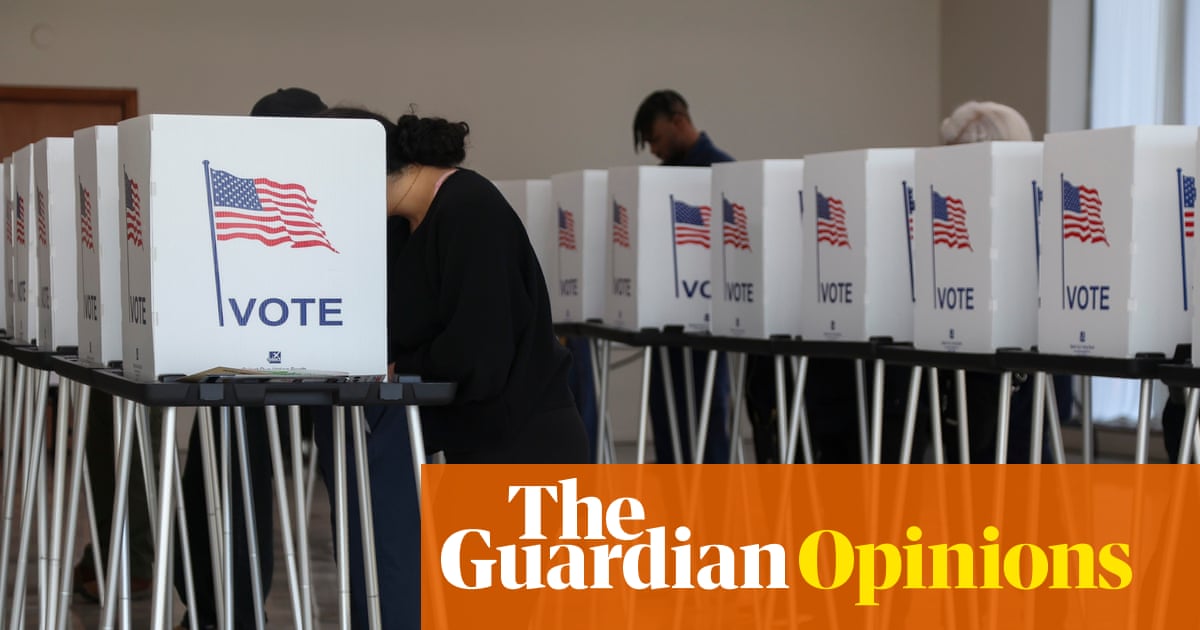
For the first time in a decade, election predictions far exceeded public expectations. What pollsters anticipated as a blue wave billowed into a blue tsunami. Wins that held ground for already blue seats eased nerves, and the flips of swing states like Michigan, Georgia, North Carolina and Ohio energized the blue base. But red-belt-busting wins in Republican strongholds like Texas, South Carolina and Kansas alongside pending races in Alaska and Mississippi left mouths agape. The explanation was that Democrats turned out far more supporters than their regulars, and that the âÂÂregret voterâ (both swing voters and partisan Republicans) expanded the wave across districts Trump previously won. Elation and sighs of relief rolled over consistently Democratic voters who suffered multiple sucker punches from recent years of Republican upsets. Regret voters, who run the gamut from gen Z men to Latinos, farmers and the white working class, hope a different party can deliver on the economy Trump promised them.
Blue voters look at the dismantling of democracy, multiple wars, mass deportations and TrumpâÂÂs unchecked power in these last two years and see how it all could have been avoided. Regret voters, however, either co-signed or conceded to TrumpâÂÂs naked racism and brutish bullying of marginalized people, but switched their votes as soon as the consequences hit their pockets. While some of the presidentâÂÂs backers may have been turned away by Immigration and Customs Enforcement (ICE) gunning down American citizens, the final straw for most wasnâÂÂt ICEâÂÂs brutality, but rather the price of eggs. Some may have been upset by the Tomahawk missile assault that killed 120 schoolgirls in Iran, but most fumed at the rocketing costs at the gas pump that followed. Few demanded answers for the nearly 60 deaths of innocent people detained in DHS detention centers since the start of 2024, but many felt scorned by lost immigrant labor that cut into ownersâ profit margins. MagaâÂÂs regret voters were all-in for TrumpâÂÂs racism. Then they found out they couldnâÂÂt afford it.
Since TrumpâÂÂs arrival in 2016, political discourse has been dominated by a narrative that the president galvanized particularly white voters whose economic anxiety went ignored by the left and much of the elite political establishment. It wasnâÂÂt completely true. Researchers found that status threat anxiety derived from an increasing majority-minority demographic shift also anchored their voting choices. In the 2026 Maga exodus, however, brass-tacks items like affordability, tariffs and rising inflation are consistently top of mind over other concerns.
Through focus groups across hundreds of TrumpâÂÂs supporters, political consultant and former Republican Sarah Longwell spotted the immediate trend. âÂÂThe first thing we do is ask people: how do you think things are going in the country?â Longwell said. âÂÂAnd every focus group, every single time, doesnâÂÂt matter â whether left, right or center â right now, people say: bad. And then they immediately start talking about the prices of something.â Underlying economic angst even determined the degree of attention and priority regret voters gave to other issues like the Trump familyâÂÂs corruption. âÂÂEverything comes back to peopleâÂÂs relationship to the economy,â Longwell said. âÂÂTrump voters and more low-information voters would probably let Trump get away with corruption. In fact, we know they would â he was doing a lot of corrupt things in his first term.âÂÂ
Maga voters looked past unchecked government corruption and abuses of power until it affected them financially. While voters were magnetized by TrumpâÂÂs campaign promises to lower prices, the effects of his economic plans worsened affordability for moderate- to low-income Americans and cut $1tn from essential social safety net services like Snap. He simultaneously pushed a unilateral increase in tariffs, which policy wonks and economists insisted had âÂÂno basis in economic realityâ and would drastically increase the cost of goods.
His pitches to his base two years ago sounded an awful lot like he murmured âÂÂlower pricesâ and barked his priorities to mass-deport immigrants, gut research and diversity initiatives, and wage an all-out war against gender-nonconforming Americans, including children. TrumpâÂÂs rhetoric that immigrants take American jobs, access social services such as healthcare for free, and are a drag on the economy are tried-and-tested conservative dog-whistle tactics that mask deliberate xenophobia and anti-immigrant violence as a commonsense protection of Americansâ bottom lines. That dog-whistling further conditions those who embrace Maga ideologies to mark racialized groups as threats to the economic resources to which they feel entitled.
At an ICE job fair in Arlington, Texas, on 2 September 2025, an IT specialist named Aaron Ely told a Washington Post reporter that his private-sector career stalled because the job market was crowded with cheaper and higher-skilled south Asian candidates. Maga and ICEâÂÂs racial profiling, surveillance and harassment of immigrants provided an easy solution for eliminating the competition. âÂÂI keep seeing these memes where Indians are bragging about taking our tech jobs,â said Ely, 36, while explaining his motivations for joining the agency. âÂÂWell, IâÂÂm going to work with guys that are going to arrest you, slam your face on the pavement, and send you home.â It wasnâÂÂt the price of milk, but a chance to milk state-sanctioned racial violence for his personal advantage that drew Ely to TrumpâÂÂs policies.
But regret votersâ financial motives also provide Democrats a valuable lesson, one that the most successful social movements against the most ironclad regimes learned long ago: economic exigencies transfer power from governments to everyday people. When the anti-apartheid movement strategized their first boycotts in 1959, Black South Africans knew that the white Boer regime that occupied and brutalized them was first and foremost a capitalist enterprise. The human-rights atrocities of apartheid were meaningless to its profit motives. Over the course of 35 years, Black South Africans organized the âÂÂApartheid Kills â Look at the Labelâ campaign, in which everyday consumers and vendors were asked to boycott products and goods from South Africa. After a union of Black longshoremen in California refused to offload South African cargo in 1984, the boycott electrified globally and turned the Boers into bad business, bringing apartheid to its knees a decade later.
The economic motive behind millions of regret votersâ actions on Tuesday should remind us that what hits their pockets will hit the polls. Targeting the economics behind the politics is echoed in movements today, even those that seem daunting and impossible to win. âÂÂI donâÂÂt believe that our people power comes from moral arguments,â said Randa Abdel-Fattah, an Australian lawyer and Palestinian human rights advocate. âÂÂBlack people have proven that to us ⦠ItâÂÂs about making genocide unprofitable.âÂÂ
Millions of Americans are fired up by the blue tsunami. ItâÂÂs the largest and perhaps only comprehensive, nationwide gain many of our collective populist movements for social justice, civil liberties and human-rights causes have seen in a decade that has been a reign of terrorfor us, and just a financial setback for others. Racism, âÂÂwokenessâ and Islamophobia alone never changed their hearts and minds, nor are they even the main reason they regret their votes. âÂÂHearts and mindsâ donâÂÂt shift balances of power, but power always shifts when it no longer pays.