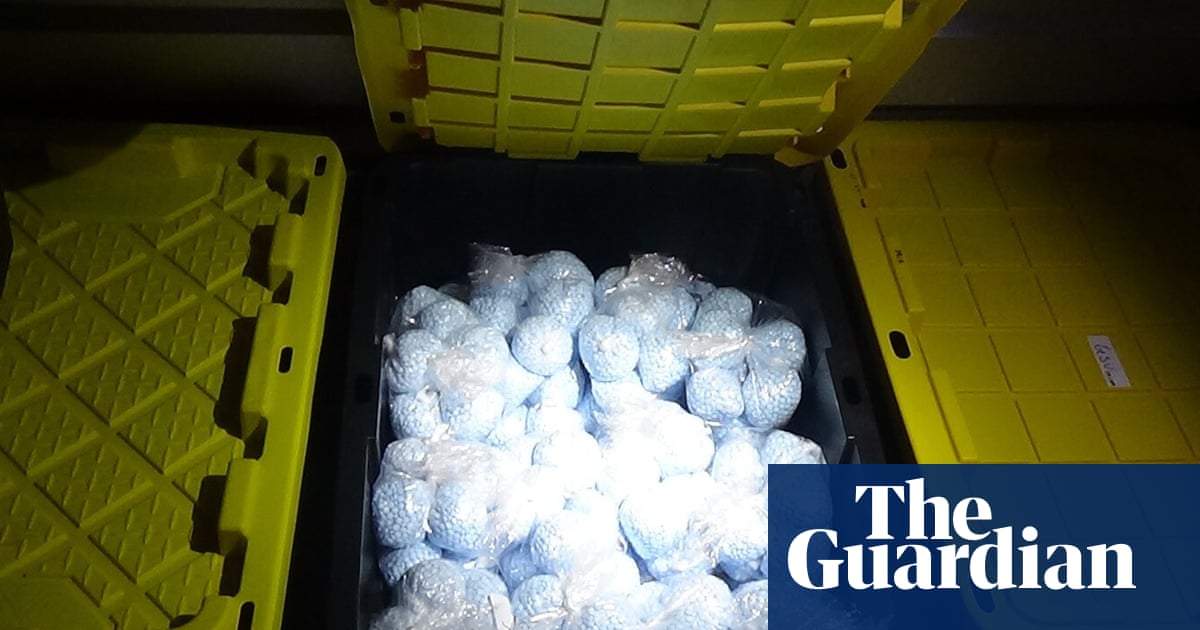

DEA allowed 1.4m fentanyl pills to be âÂÂwalkedâ into US during sting operation, report alleges
Investigation finds DEA permitted the pills to be trafficked during a New Mexico sting operation
The US Drug Enforcement Administration (DEA) allowed 1.4m fentanyl pills to be âÂÂwalkedâ into the country during a New Mexico sting operation, billed as the largest in the bust in US history, a new report has alleged.
An investigation by the Associated Press found that the DEA permitted the pills to be trafficked between August 2024 and April 2025. The new figure is far more than 74,000 fentanyl pills previously reported.
âÂÂWalkingâ is the law enforcement practice by which some drugs are allowed to proceed into the country in the expectation of arresting figures higher up the smuggling chain.
The report is based largely on information provided by DEA whistleblower David Howell. The figures, combined with the lethality of fentanyl pills which are often disguised as less potent pharmaceutical pills, has raised new questions about the legality and morality of âÂÂwalkingâÂÂ.
âÂÂEverybody wants the big fish, but the big fish isnâÂÂt guaranteed,â Brian Besser, a former DEA senior executive who oversaw the agencyâÂÂs Rocky Mountain division, told AP. âÂÂWhen youâÂÂre dealing with a substance that can take this much human life, you canâÂÂt gamble like that.âÂÂ
The report found that DEA agents looked on from a surveillance plane as dealers trafficked large packages of pills in plastic bins and duffel bags that passed through highly transited hotels, apartment complexes, Airbnb rentals and self-storage facilities in six states.
Agents also allowed as many as 100,000 pills at a hotel in Albuquerque after the DEA surrounded the building in a stakeout â more than the 74,000 previously reported.
The agency initially denied ever knowingly allowing the trafficking of a synthetic opioid. Federal and local authorities then opened inquiries into the alleged practice, including by the office of New Mexico attorney general Raúl Torrez, the US Department of Justice Office of Inspector General and congressional committees.
The agency has said its decisions were lawful and coordinated with federal prosecutors to prevent public harm.
âÂÂThe Department of Justice is committed to using every lawful tool available to identify, disrupt and dismantle the organizations responsible for trafficking fentanyl into our communities,â Tessa DuBerry, a US attorneyâÂÂs office spokesperson, wrote in an emailed statement to AP.
Michelle Lujan Grisham, the outgoing New Mexico governor, said the DEA practice or âÂÂwalkingâ fentanyl âÂÂis like trying to prevent my house from burning down by negotiating with an arsonistâÂÂ, adding that the agency was âÂÂfully engaged in the cover-up because they know they went too far and itâÂÂs wrongâÂÂ.
Last week, Albuquerque submitted a claim for $153m from DEA, alleging the agency allowed fentanyl into the city so agents could build larger criminal cases, three months after Torrez sued the justice department to obtain DEA records.
Torrez said the records are necessary for the New Mexico department of justiceâÂÂs investigation. The investigation focuses on allegations that DEA agents knowingly allowed large quantities of fentanyl to be distributed in New Mexico.
Albuquerque city attorney Joshua Boone said the city plans to hold the government accountable. âÂÂAlbuquerque is fighting an uphill battle that we didnâÂÂt know about for the longest time. Now that we know about it, we can do something about.âÂÂ
New Mexico department of health data shows that in 2025, the stateâÂÂs projected overdose death rate in 2025 was 46.4 per 100,000 residents â more than twice the national rate â as the fentanyl crisis begins to subside in most areas.
In June, Howell claimed the DEA âÂÂpoisoned our community to make cases. Through our own willful blindness, we get to say: âÂÂWe donâÂÂt really know what happened to the drugs.â But we 100% got people killed.âÂÂ
The DEA has challenged the APâÂÂs reporting, saying in a statement to the Guardian that âÂÂpublic descriptions suggesting that DEA knowingly permitted fentanyl to reach communities are false and fundamentally mischaracterize the factsâÂÂ.
âÂÂThe cases in question involved complex, court-authorized Title III investigations in which agents and prosecutors conducted real-time surveillance, intelligence gathering, and operational analysis targeting larger drug trafficking organizations,â it added.
The agency further said that in âÂÂoperational decisions in investigations like this, DEA is mandated to coordinate investigative decisions with USAO (offices of US attorneys) leadership to ensure investigative steps are carefully coordinated to prevent harm to the publicâ and the decisions it had made âÂÂwere lawful, reasonable under the circumstances, and consistent with department guidanceâÂÂ.
Last month, the Albuqerque Journal reported on claims that the whistleblowers at the center of the controversy were subject to ongoing retaliation by supervisors.