
Once âÂÂcapital of the ConfederacyâÂÂ, Virginia enshrines rights to voting, abortion and gay marriage
Organizers won key civil liberties protections on election day â and women and Black advocates were at the forefront
Progressives made historic gains in the south during the midterm elections â and Virginia was no exception. The state approved three constitutional amendments protecting civil liberties that have eroded in TrumpâÂÂs second term: enshrining the rights to abortion and same-sex marriage, and restoring voting rights to those with past felony convictions.
These victories were led by women and Black organizers who say they want to capitalize on the momentum and advocate for policies that expand the protections they secured on election day.
âÂÂThereâÂÂs a lot of work ahead to make sure this amendment is properly implemented,â said Han Jones, campaign director for Virginians for Reproductive Freedom, which canvassed for the abortion referendum. âÂÂWe have to make sure Virginians donâÂÂt just have the right to reproductive care but also access to it.âÂÂ
Reproductive freedom
Since the supreme court overturned Roe v Wade in 2022, abortion bans have swept the nation, particularly the south, where Virginia has become the only state without extreme restrictions on the procedure. Question 1, which passed with 62% of the vote on 3 November, established protections not only for abortion but also contraception, childbirth, miscarriage management and fertility care, including IVF.
The Virginians for Reproductive Freedom coalition brought together 30 local and national groups serving different constituencies, some focused on advocacy and others on healthcare. The depth and diversity of the coalition were pivotal to its success, Jones said. Certain groups worked on Spanish-language canvassing, others managed outreach to youth voters. Altogether, some 850 volunteers knocked on 45,000 doors across the commonwealth.

Much of the campaign was focused on educating voters about Question 1 and what protections are at stake, Jones said, along with dispelling misinformation from anti-abortion groups about how the amendment would put womenâÂÂs health at risk.
âÂÂWe knew Virginians were supportive of abortion and reproductive rights, but thatâÂÂs not a guarantee that people would vote yes,â Jones said.
But constitutional protection doesnâÂÂt necessarily make reproductive care available, organizers say, especially given how expensive abortion, contraceptives and IVF can be. During a briefing on 18 November, organizers shared fundraising efforts for abortion funds, forthcoming lobbying sessions with legislators to ensure the law is properly implemented, as well as plans to fight lawsuits from anti-abortion groups seeking to block the amendment.
âÂÂA right you donâÂÂt know about is a right you cannot use,â said Jamie Lockhart, executive director at Planned Parenthood Advocates of Virginia. âÂÂWeâÂÂre committed to making sure every Virginian knows what this amendment means for them.âÂÂ
Voting rights
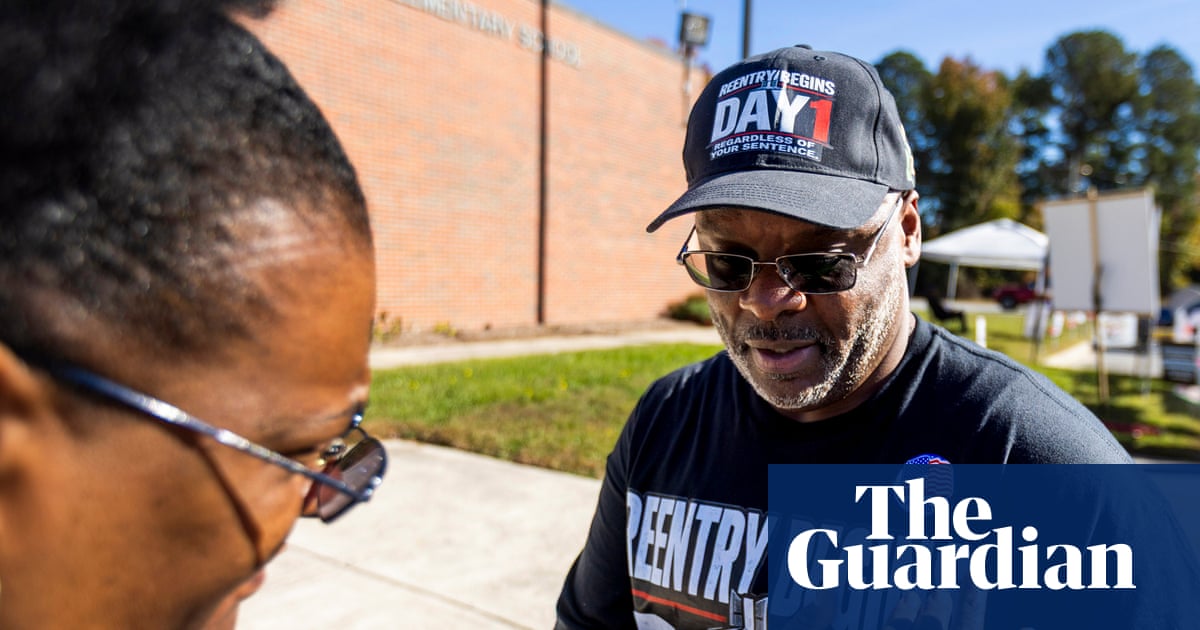
In approving Question 3, Virginians enshrined a âÂÂfundamental right to voteâ for all citizens, including convicted felons who have served their time. The referendum reversed a lifetime voting ban for felony offenders that was established in the mid-1800s and has disproportionately targeted Black people.
âÂÂWe didnâÂÂt think Virginia, being the capital of the Confederacy, would ever give up this last remaining vestige of the Jim Crow era,â said Sheba Williams, founder of the Right to Vote coalition that spearheaded the ballot campaign. âÂÂOur goal is to give dignity back to people who are imperfect.âÂÂ
Roughly 4 million formerly incarcerated Americans were denied voting rights in 2024, including more than a quarter million Virginians, according to estimates from the Sentencing Project. One out of every 10 Black Virginians, including Williams, lost their rights as a result of a felony conviction. (For decades, voting rights in Virginia could only be reinstated on an individual basis through a governorâÂÂs executive authority.)

Williams said the ballot drive is built on the work of Black female legislators such as Mamie Locke and the late Yvonne B Miller, who fought for decades to restore voting access for people with past convictions. The win was bittersweet, Williams said, because many who advocated for the amendment have died, including her mother, who was disenfranchised for 24 years.
The big focus for the coalition, which includes the ACLU of Virginia and the League of Women Voters of Virginia, is notifying the quarter of a million formerly incarcerated Virginians that they can vote again. That requires organizing a vast public education campaign in areas with the highest conviction rates, Williams said, and asking the state Department of Corrections to potentially include voter registration information in re-entry packets. The coalition is also looking to build on the ballot win by pushing for bolder policies, such as reforming the stateâÂÂs barrier crime laws.
âÂÂWe still have to work on other bills that impact the lives of formerly incarcerated people,â Williams said. âÂÂWe see people celebrating the changing of the tides, the younger generation coming in. But we know people who hold on to power will try to maintain it.âÂÂ
Marriage equality
Same-sex marriage has been legal across the country since the landmark supreme court decision in 2015. But advocates say protections for LGBTQ+ people have felt increasingly tenuous under a hostile administration and supreme court, which has considered taking up challenges to the Obergefell ruling.
The passage of VirginiaâÂÂs marriage-equality referendum on election day is a âÂÂgenerational reversalâ exactly 20 years after the state banned same-sex union, said Reed Williams, communications director for the Virginians for Marriage Equality coalition. Coincidentally, the ban and its repeal passed by the same margin of the vote: 57%. (Virginia is the fifth state to repeal a constitutional ban on gay marriage, following Nevada, California, Colorado and Hawaii; in total, 37 states have protections for gay marriage.)
âÂÂThis really shows how much Virginians have grown,â she said. âÂÂThe perspectives of certain justices on the supreme court have made it clear that state protections are more important than ever before.âÂÂ
Williams said organizers learned from other statesâ marriage equality campaigns and leaned into the power of storytelling. The coalition recruited more than 40 queer people across the state to share âÂÂwhat being gay was like in a pre-Obergefell world,â she said, referring to the 2015 ruling. âÂÂWe had to show that the amendment had real stakes for people in the LGBTQ+ community,â Williams said.
Equality Virginia wants to carry the momentum from the ballot win into the upcoming legislative session, to advocate for broader issues like state funding for HIV prevention and gender- affirming care for trans youth. The organization is already looking ahead to the next election cycle, Williams said, when all the seats in the state legislature are up for grabs.
âÂÂThis is an incredible opportunity to take the lessons we learned in the marriage equality campaign,â she said, âÂÂand mobilize voters to get more pro-equality lawmakers elected.âÂÂ