- Ripple will unlock 1 billion XRP on January 1, 2026, as part of its monthly escrow schedule
- Historically, Ripple re-locks most unlocked tokens, limiting market impact
- XRP’s current weakness below $2 makes traders more sensitive to potential supply pressure
An XRP unlock scheduled for January 1, 2026, is drawing heightened attention as Ripple prepares to release 1 billion tokens from escrow. While this monthly event is not new, the timing at the very start of the year has amplified concerns that added supply could weigh on price if a meaningful portion reaches circulation. Traders are watching closely, not because an unlock guarantees selling, but because sentiment around XRP is already fragile after losing key support levels.
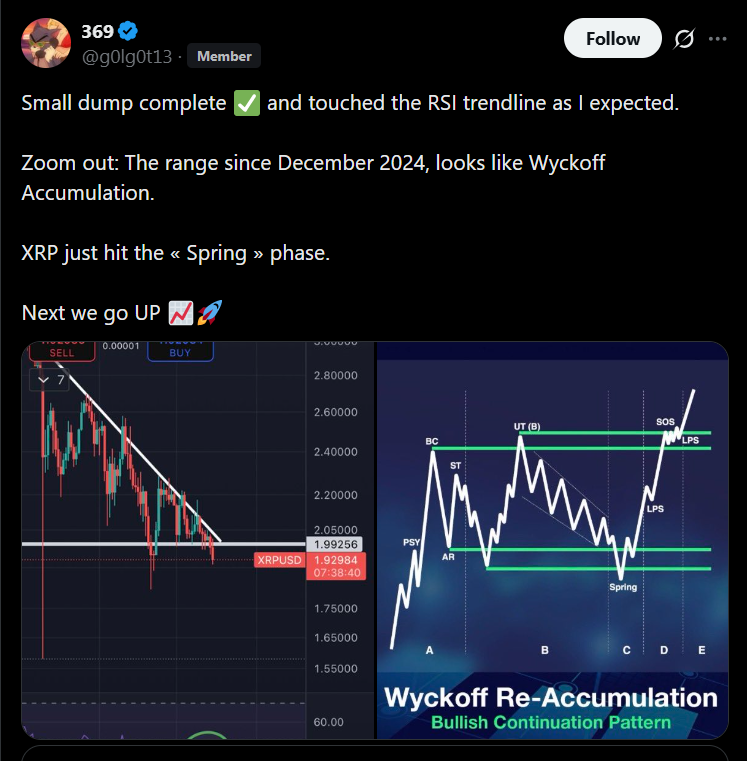
The fear of an “XRP dump” tends to resurface ahead of each escrow release, largely due to the headline number. At current prices, 1 billion XRP represents billions of dollars in notional value. Even if only a fraction becomes liquid, that potential supply is enough to make short-term traders cautious, especially in a market that remains sensitive to macro and crypto-wide volatility.
How Ripple’s Escrow System Really Works
Ripple’s escrow mechanism has been in place since 2017 and was designed to add predictability around XRP supply. Each month, 1 billion XRP is unlocked automatically, after which Ripple typically uses a portion for operations and re-locks the majority into new escrow contracts. In practice, historical data shows that roughly 60% to 80% of unlocked XRP is sent back into escrow, significantly limiting the amount that actually enters the market.
This pattern has held steady through multiple market cycles. In recent months, on-chain data showed most unlocked XRP moving to non-exchange wallets rather than directly to trading platforms, reinforcing the idea that Ripple favors controlled distribution over sudden selling. Ripple CTO David Schwartz has also noted that an escrow release does not always result in immediate on-ledger activity, which often leads to misunderstandings around how quickly supply truly becomes available.
Current XRP Price Context Adds Sensitivity
The upcoming unlock comes at a time when XRP price action is already under pressure. XRP is trading just below the $2 level, a zone that previously acted as a key support and launch point for rallies. Slipping beneath that range has made the market more reactive to potential negative catalysts, even familiar ones like escrow releases.
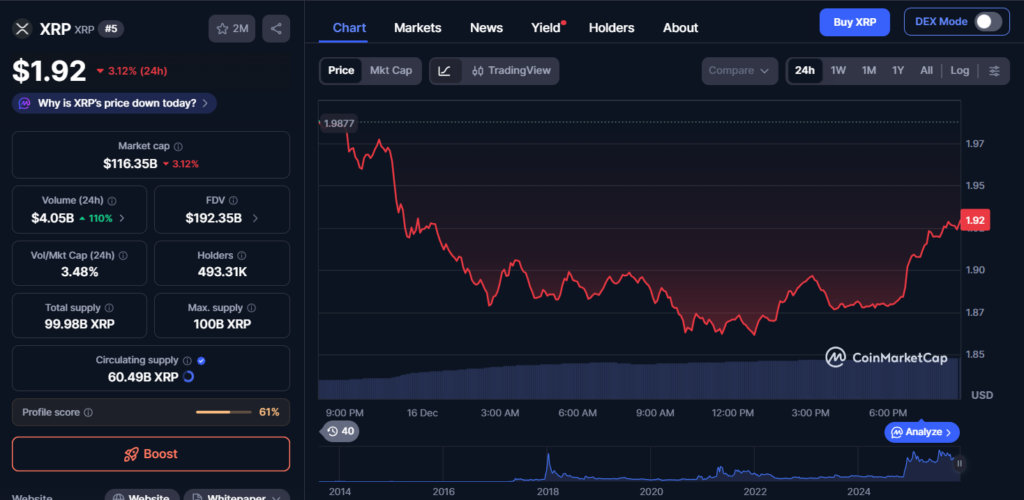
While previous 1 billion XRP unlocks have generally had limited direct impact on price, broader conditions matter. If overall crypto sentiment weakens or XRP continues to struggle technically, traders worry that any additional circulating supply could amplify downside moves. That said, history suggests Ripple has been careful to avoid flooding the market, even during periods of stress.
What History Suggests Going Into 2026
Looking back, XRP price has typically moved in line with the broader crypto market around escrow releases rather than reacting sharply to the unlock itself. Ripple’s consistent re-locking behavior has helped prevent sudden supply shocks. However, markets are forward-looking, and the combination of early-year timing, weakened technical structure, and heightened trader awareness means volatility around the January event cannot be ruled out.
For now, the key variable is not the unlock itself, but how much XRP ultimately reaches exchanges and whether broader market conditions stabilize. As with past releases, on-chain flows in the days following January 1 will likely offer clearer signals than the headline number alone.
Disclaimer: BlockNews provides independent reporting on crypto, blockchain, and digital finance. All content is for informational purposes only and does not constitute financial advice. Readers should do their own research before making investment decisions. Some articles may use AI tools to assist in drafting, but every piece is reviewed and edited by our editorial team of experienced crypto writers and analysts before publication.