
âÂÂWeâÂÂre not going to go awayâÂÂ: the mom fighting for social media reform after her sonâÂÂs suicide
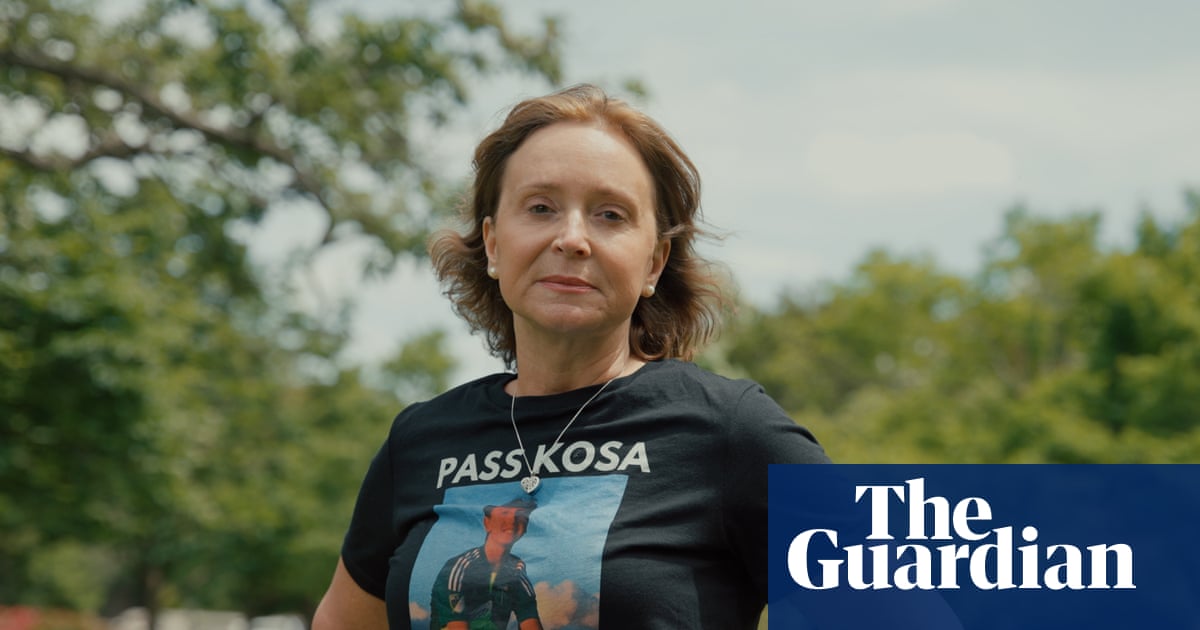
A new documentary follows Kristin Bride as she takes on Congress after the death of her 16-year-old son who was cyberbullied
At this point in time, going anywhere without your smartphone feels almost like leaving behind a limb. Whether itâÂÂs for directions, distraction or the discourse on social media, our phones have become both a necessity and a crutch in our everyday lives, with our bodies literally evolving around the glow of the screen.
But no matter how much we think we need all the bells and whistles of the attention economy, the attention economy actually needs us more than we need it.
This is the overarching message of the documentary Your Attention Please, available to rent or own on 6 October. The film explores the human cost of our technology addiction â as well as the very human efforts to combat it â driving home how social media companies like Meta and TikTok benefit financially in rewiring our brains in order to keep us scrolling.
âÂÂWeâÂÂre dealing with a business model that encourages extreme behaviors because those have been proven to be more attention-grabbing,â director Sara Robin says in an interview.
The documentary follows Kristin Bride in her fight for social media reform, traveling to Capitol Hill to push for legislation and testifying before Congress. Bride was thrust into online safety advocacy after her 16-year-old son, Carson, was cyberbullied and took his own life in 2020 â even after she thought she took all the right steps to safeguard him from the dangers of the internet.
âÂÂWe waited until Carson was through middle school to give him his first very old iPhone with no apps on it, and we had really hoped that it would stay that way,â she says. âÂÂBut when he got to 10th grade, he begged for Snapchat because that was the way that all the kids were connecting ⦠he didnâÂÂt make it to 11th grade.âÂÂ
But social media is not just dangerous for kids, which the documentary makes a point of highlighting through interviews with experts like the former US surgeon general Vivek Murthy, who has called for tobacco-style warning labels on social media platforms, as well as Frances Haugen, the Facebook whistleblower who will be portrayed by Mikey Madison in The Social Reckoning out this week.
Robin likes to quote Cal Newport, a computer science professor at Georgetown University, in describing social media as âÂÂdesigned to feel as if you are slipping into a warm bathâÂÂ. âÂÂYou go on there and then you forget why you got on there and you forget what youâÂÂre doing while youâÂÂre on there and then two hours have passed,â she says. The bath in this analogy, however, is actually more a pot â and we are the frogs being slowly boiled alive without realizing it.
âÂÂIn a time where social media is still designed to actively disrupt our lives, itâÂÂs really up to us now to say: âÂÂMy goal today is to get more out of social media than it will get out of me,âÂÂâ Robin says. âÂÂThatâÂÂs quite hard to do. But I think in the interim, when weâÂÂre still dealing with these, highly addictive, very imperfect platforms that are designed to exploit our attention, thatâÂÂs to an extent what we have to do while weâÂÂre transitioning to something healthier.âÂÂ

While both Bride and Robin hope the documentary will make people confront their phone addictions and social media usage, they also see it as a call to action â whether in BrideâÂÂs continued fight to get Congress to pass the Kids Online Safety and Privacy Act or in being part of a cultural shift to get off your phone. The documentary features interviews with the founders of the Offline Club in Amsterdam, where attendees must check their phones at the door before events, and with the principal and a teacher of Brockton high school in Massachusetts, where students are required to keep their devices locked in secure pouches for the entire school day, as examples of how this is possible.
âÂÂWeâÂÂre not anti-tech â weâÂÂre pro-better tech and weâÂÂre pro a more balanced relationship with tech,â Robin says. She acknowledges the irony that with the promotion of the film, she is more on social media than sheâÂÂs ever been before. âÂÂA lot of the conversation critical of the attention economy is happening on these attention economy platforms,â she says.
But she is not denying that social media has been a society-changing tool in how it has allowed people to connect and organize and self-promote â itâÂÂs just that the companies behind these platforms have designed their algorithms to keep its users on there as long as possible, beyond their original purpose. âÂÂIf monetary value trumps everything else, then we naturally land in a situation where the human being is forgotten,â Robin says.
The way to combat this on an individual level is to be intentional with your usage. âÂÂBe very clear what youâÂÂre looking to get out of the platform,â Robin says. âÂÂGo in and do that. Know the moment you open it, itâÂÂll throw the most distracting thing at you. Pull yourself back out. Do the thing that you intended to do, and then get out.âÂÂ
On a larger scale, the fight will be even more challenging. Bride says two years later that she is back to where she was in the documentary with the Kids Online Safety and Privacy Act â the bill stalled after passing in the Senate in 2024. Seeing Donald Trump buddying up with the tech billionaires behind these platforms has been particularly disheartening, Bride says.
âÂÂBut how can we not keep fighting?â Bride says. âÂÂWeâÂÂre not going to go away, and weâÂÂre going to keep being loud and vocal.âÂÂ
-
Your Attention Please is streaming on Documentary+ and is also available on VOD now