
USAâÂÂs Solheim Cup inquest begins amid early celebrations and stats complaints
Losing captain frustrated by lack of in-play statistics
Stanford offers warning to Ryder Cup leader Jim Furyk
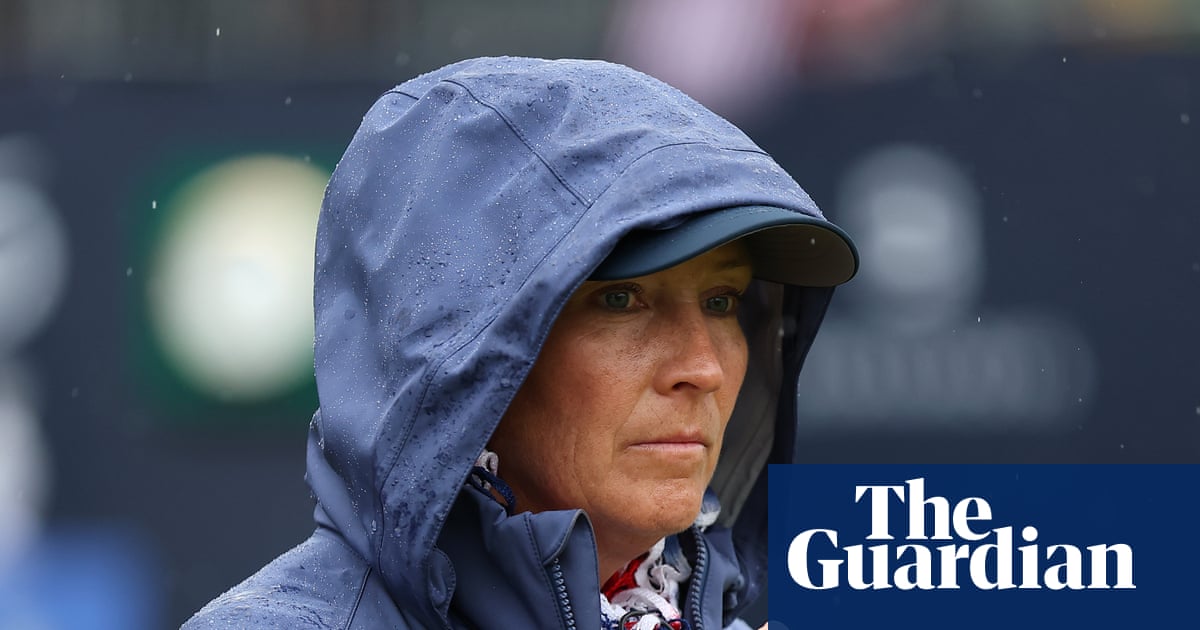
The latest inquest into failure by an American team on European soil involves slow greens, the perception of a premature celebration and a curious absence of statistical backup. Angela Stanford, whose Solheim Cup team were defeated by Europe in the Netherlands on Sunday, warned Jim FurykâÂÂs Ryder Cup contingent to take note.
Stanford used the numbers-based evidence of Justin Ray to assist with decision-making and Furyk will do likewise at Adare Manor next year. In the aftermath of the 15-13 defeat and assessing RayâÂÂs input, Stanford clearly had an underlying gripe. âÂÂIâÂÂm wondering how honest to be,â she said.
âÂÂJustin Ray is extremely helpful. We were missing some pieces this week. Like, in Spain [in 2023] we had people giving us strokes gained in each match, even in practice. And we didnâÂÂt have that this year.
âÂÂBecause I know heâÂÂs working with Jim in the Ryder Cup, just now in the locker room, I told him exactly what he needed to do for Jim. Those things do matter and Justin was a huge help. He got us to this point.
âÂÂItâÂÂs easy to get blown out over here. So I think we had the right formula and he helped us make that formula, so Justin Ray is awesome.âÂÂ
Pressed on why there was not the adequate backup resource she had referenced, Stanford said: âÂÂWe just didnâÂÂt. See, thatâÂÂs why I couldnâÂÂt be so honest with you.âÂÂ
It should be remembered that the teams were level, at 8-8, before a Sunday singles session where the USA team stood as the favourites. Following StanfordâÂÂs logic, she appears to be implying her team were denied the opportunity to take a lead into day three.
SaturdayâÂÂs conclusion had felt significant. Extraordinary pieces of play by Jennifer Kupcho on the last two holes meant she and Lindy Duncan claimed an unlikely point against Carlota Ciganda and Céline Boutier. Social media lit up with video of the USA team celebrating with beers on the bus back to their hotel. âÂÂThey drink on Saturday, we drink on Sunday,â EuropeâÂÂs team chanted when they made the same journey a day later.
Stanford disputed any sense of untimely euphoria. She had been unwilling to ask the American players to tone down their joy. âÂÂThatâÂÂs kind of tricky because you donâÂÂt ever want to take away from that moment,â she said. âÂÂThe worst thing I could have done is go in there and be like: âÂÂOK, yâÂÂall. Come off this high.â You donâÂÂt want to take away from those moments. WeâÂÂre never going to see anything like that again.
âÂÂI think they handled it very well. WeâÂÂve never seen that so we donâÂÂt really know how to react. I talked to Kupcho and everybody and theyâÂÂre like, âÂÂYeah, we got good rest, but it did take a minute to come off because it was a pretty high, high.âÂÂâÂÂ
Another element was the putting surfaces. Anna Nordqvist, EuropeâÂÂs captain, shrugged off any notion of gamesmanship by pointing out âÂÂwe are in Europe in SeptemberâÂÂ, but the pace of the greens had caught out the USA team.
âÂÂApparently I didnâÂÂt get to know the [greens] superintendent as well as I should have,â Stanford said only half in jest. âÂÂEven when we showed up in July here, they were faster. And I donâÂÂt think it had anything to do with the rain either.

âÂÂNow, saying that, itâÂÂs my responsibility to get the team ready. This is the one thing I am kicking myself [about], is that I just didnâÂÂt keep pushing, âÂÂWe [have] got to figure out how to hit our putts a little bit harder.â Which is really difficult, to change the way you putt.
âÂÂIâÂÂm a little frustrated with myself. Nobody complained about it at all. ItâÂÂs me saying this right now that I wish I would have maybe hammered it home more; theyâÂÂre going to be slow, theyâÂÂre going to be slow, theyâÂÂre going to be slow. We donâÂÂt play on greens this slow usually.âÂÂ
There is more than enough blame to go around, it seems.