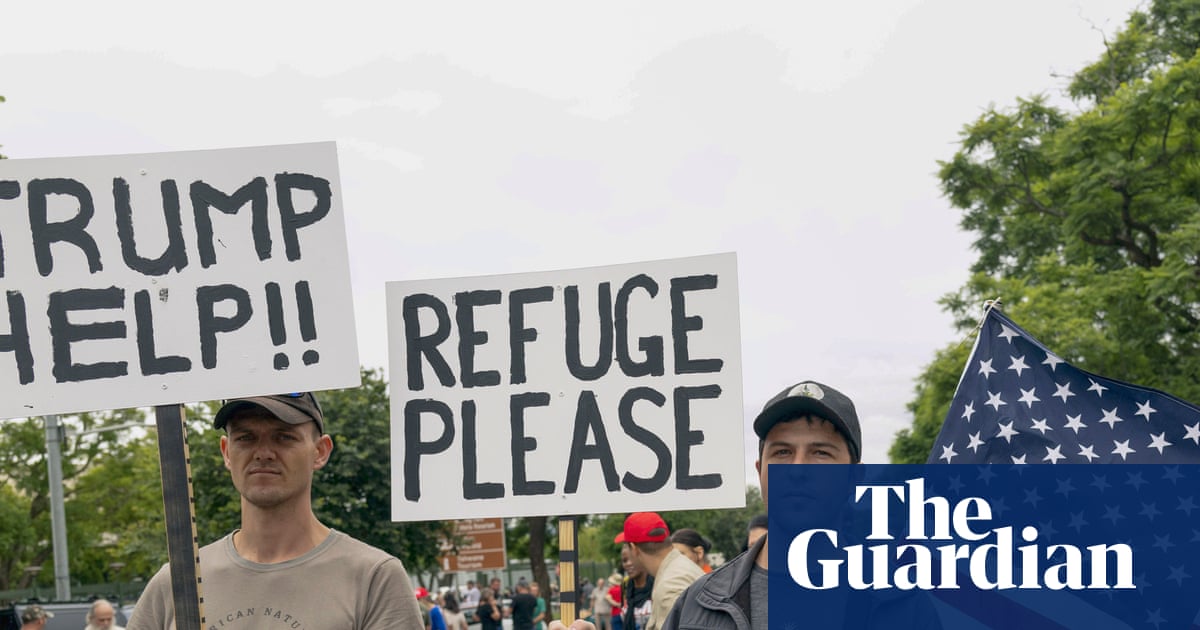

US to bar some South Africans over claims of anti-white discrimination
Announcement of visa restrictions follows TrumpâÂÂs false claims of âÂÂwhite genocideâ taking place in South Africa
The US has announced visa restrictions on some South Africans as Donald TrumpâÂÂs administration continues to claim that South AfricaâÂÂs government racially discriminates against white minority Afrikaners.
The announcement did not specify individuals who were barred from the US. Trump has spent his second term falsely claiming there is a âÂÂwhite genocideâ in South Africa and railing against its affirmative action policies.
Since the start of last year, the US has cut aid to South Africa, barred it from this yearâÂÂs G20 summit in Miami and set up a refugee programme for Afrikaners and other South African racial minorities. Meanwhile, the Trump administration has been dismantling refugee and asylum programmes for people fleeing war and persecution.
âÂÂThe South African people are being failed by a government that is destroying its economy through an obsessive pursuit of racial grievance against the Afrikaner minority,â the US secretary of state, Marco Rubio, said in a post on X.
âÂÂThe South African government has consistently failed to adequately address rural crime, violent and dehumanising rhetoric, and race-based discriminatory policies against Afrikaners and other minority populations.âÂÂ
The US visa restrictions would target âÂÂforeign nationals who enact or enable policies that promote race-based discrimination, incite violence, or enable land confiscation without compensation in South AfricaâÂÂ, Rubio added.
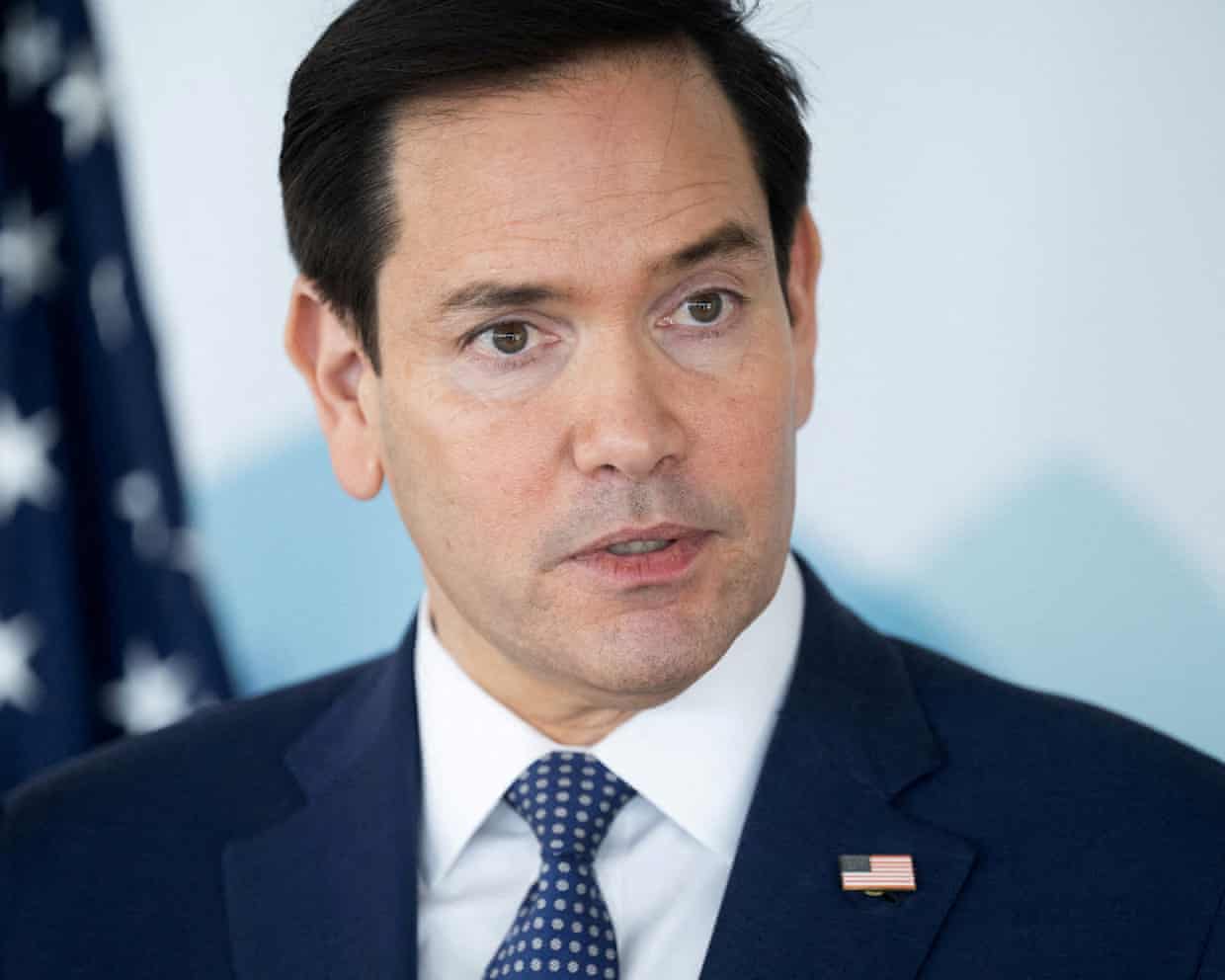
The US ambassador to South Africa, the conservative media activist Leo Brent Bozell III, said on X: âÂÂAs has been made absolutely clear, the time for endless âÂÂdialogueâ has run its course ⦠This visa restriction policy is only the first step in a series of escalatory measures that will show AmericaâÂÂs firm resolve in this matter.âÂÂ
Spokespeople for South AfricaâÂÂs presidency and foreign ministry did not immediately respond to requests for comment.
Afrikaners, who are descended from Dutch and French settlers, ruled South Africa during apartheid. The regime discriminated against and repressed the countryâÂÂs black majority, while keeping white people safe and wealthy.
Since Nelson Mandela took office as South AfricaâÂÂs first black president in 1994, South African governments have tried to redress the countryâÂÂs racial inequality, including through Black economic empowerment policies and buying land to redistribute.
These efforts have had limited impact. White South Africans typically have 20 times the wealth of Black people, according to a 2023 article in the Review of Political Economy, an economic journal.
Nonetheless, some white South Africans claim they are now the victims of racial discrimination, allegations that US conservatives have long promoted.
RubioâÂÂs visa restrictions announcement criticised land expropriation without compensation. South Africa introduced a law last year that allows the government to seize land without paying for it in specific circumstances, including if it is abandoned or only held for speculation. There is no large-scale expropriation of land.
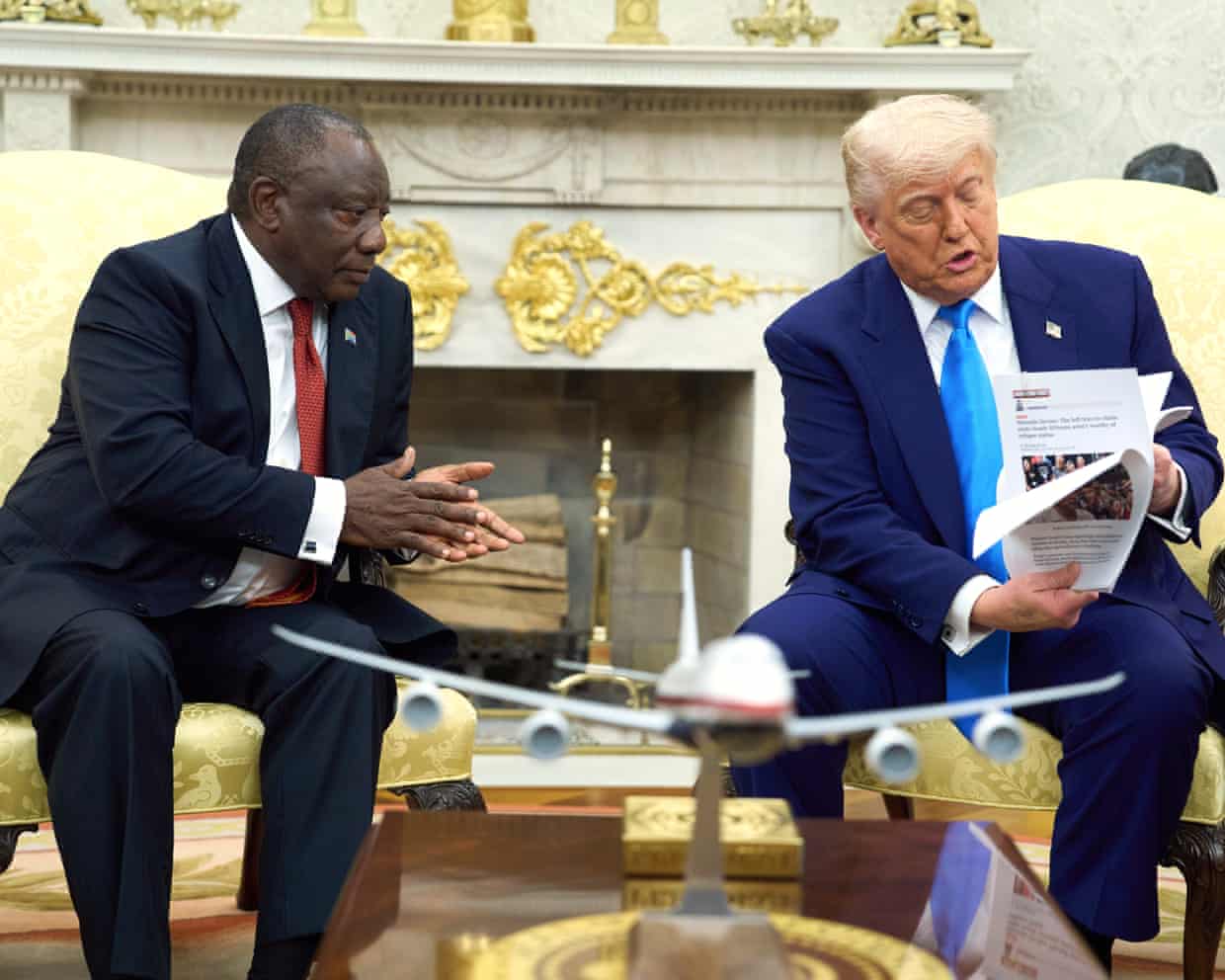
Among white South Africans who think they are discriminated against, many cite the far-left opposition leader Julius MalemaâÂÂs repeated use of apartheid-era chant âÂÂKill the BoerâÂÂ, Boer being another word for Afrikaner. A video featuring the chant was played by Trump when he met South AfricaâÂÂs president, Cyril Ramaphosa, in the Oval Office last year.
The ruling African National Congress party has disavowed the chant, which South African courts have ruled is not meant literally and therefore not hate speech.