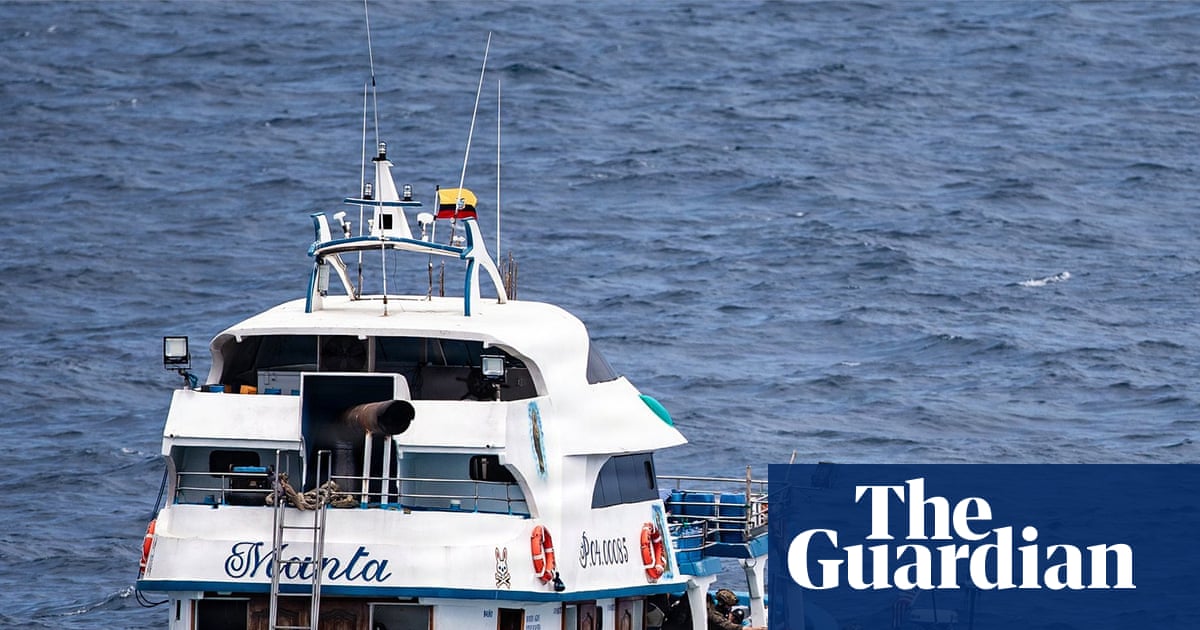

US strikes on Ecuadorian fishing boats raise humanitarian concerns but Trump admin not wavering
Attorney says fishers âÂÂlosing their livelihoodsâÂÂ, but Marco Rubio maintains US still willing to âÂÂblow up ships if need beâÂÂ
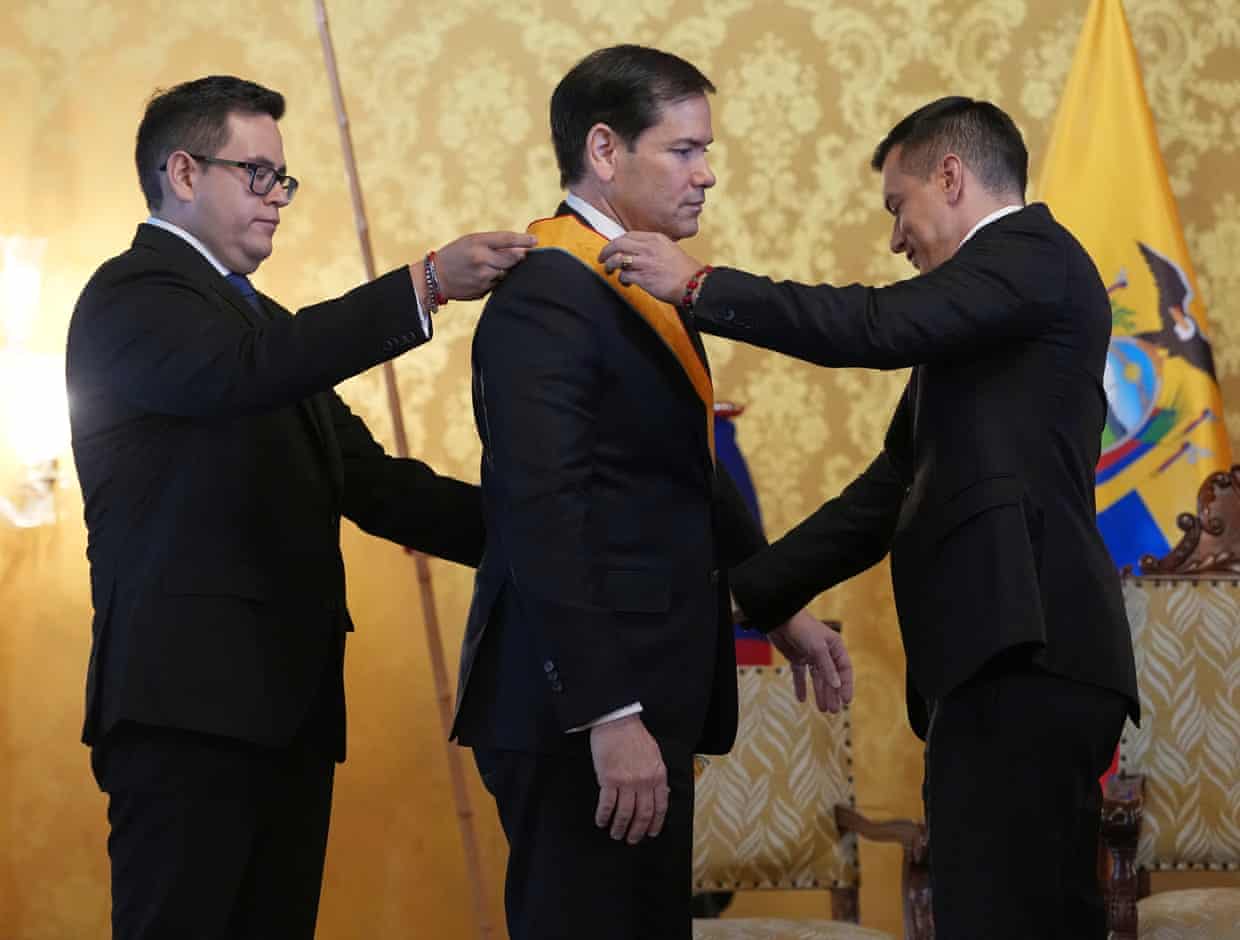
While the US secretary of state, Marco Rubio, was being decorated in Quito by EcuadorâÂÂs president for âÂÂhelping to promote peace in the regionâÂÂ, 10 Ecuadorian fishers whose boat had been blown up by US forces were adrift in the eastern Pacific.
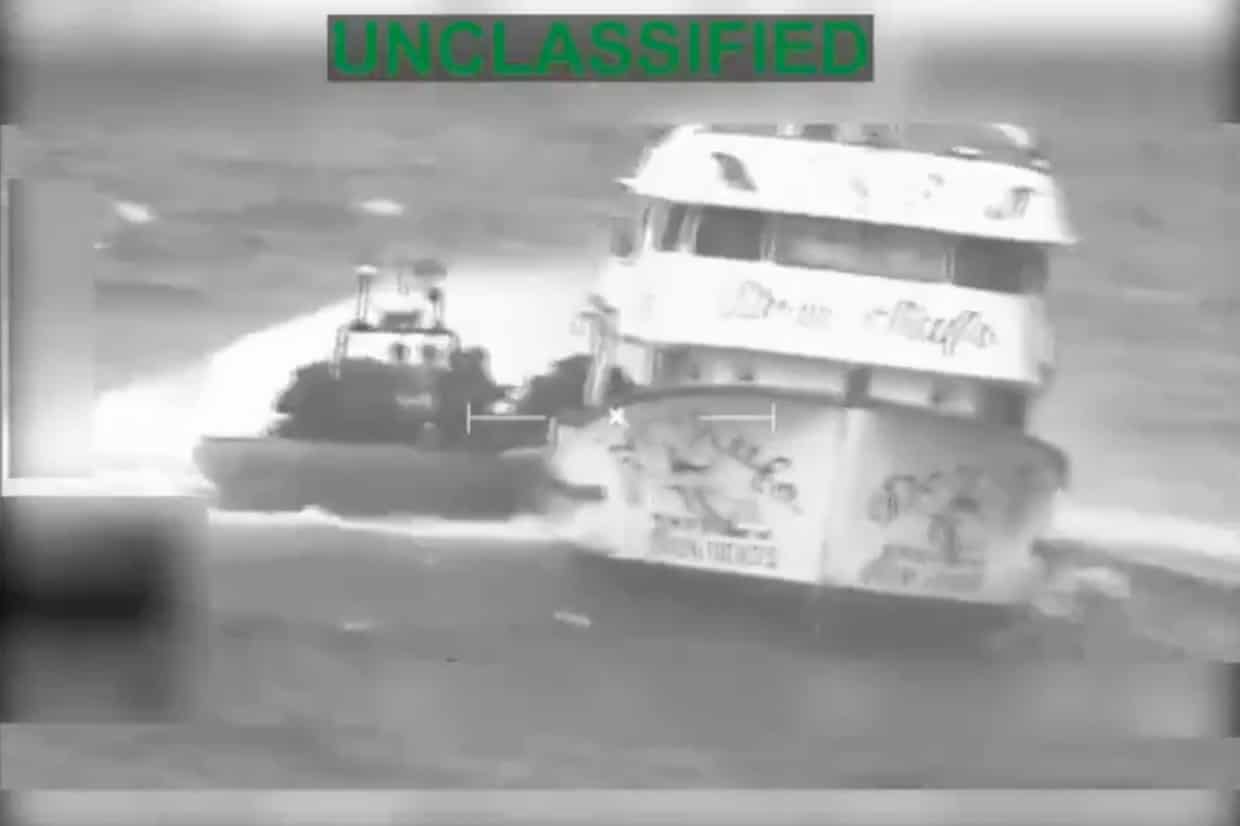
On 8 September, a day before Rubio arrived, a US patrol vessel intercepted the fishing boat Don Rufo in international waters near Ecuador.
âÂÂThe gringos were all armed as if they were going to war,â said the boatâÂÂs captain, Mero Calderón, 50. âÂÂI tried to show them our catch to prove that we were there working, but they wouldnâÂÂt listen,â he added.
âÂÂThey brought two huge bombs aboard, took us to their ship, handcuffed and blindfolded us, and blew our boat to pieces,â said Calderón, who along with five other fishers, was handed over to local authorities.
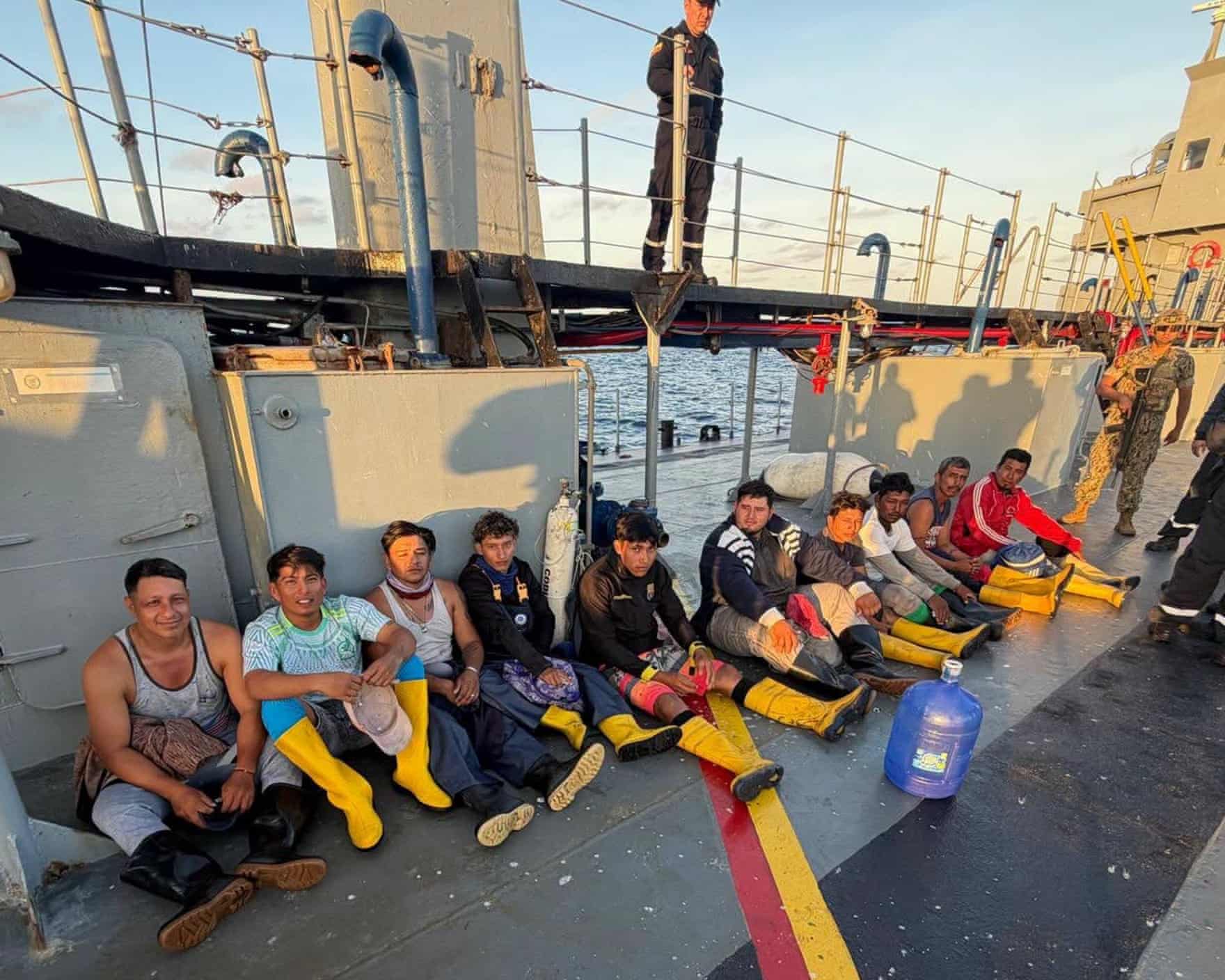
But another 10 crew members were fishing farther out to sea in a smaller boat that was not equipped to make it back to shore. The Ecuadorian navy only rescued them on 10 September, when Rubio was already in Peru preparing to return to the US.
US Southern Command posted an edited 14-second video of the operation and said âÂÂintelligence confirmedâ that the vessel was being used by a gang as a âÂÂfloating refuelling stationâ for speedboats allegedly carrying drugs â which the fishers deny.
It was one of eight operations involving Ecuadorian boats in just more than two weeks â the latest on 16 September â to follow the same pattern. Unlike the nearly 70 US airstrikes in the Pacific and Caribbean that have killed 234 people since last year, crews were removed before the vessels were sunk.
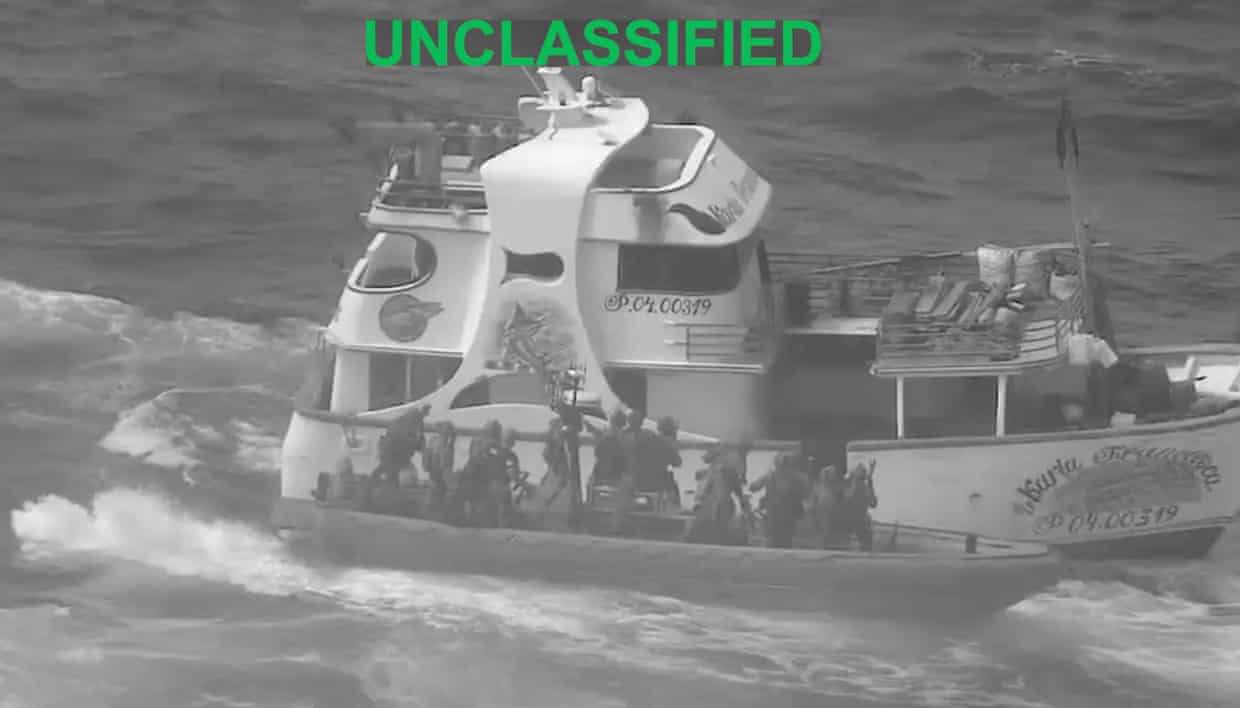
Also, rather than unilateral US attacks, the new wave of operations has the open support of EcuadorâÂÂs far-right president, Daniel Noboa, who is calling them âÂÂjoint operationsâÂÂ.
Donald Trump has compared the drug trafficking operations to the campaign against the Islamic state. âÂÂLike ISIS, they should be killed, exiled or detained as enemy combatants without the possibility of release, which is what weâÂÂre doing,â Trump said on Tuesday.
Some analysts see the shift as an indication that the USâÂÂs military strategy against drug trafficking in Latin America has entered a new phase.
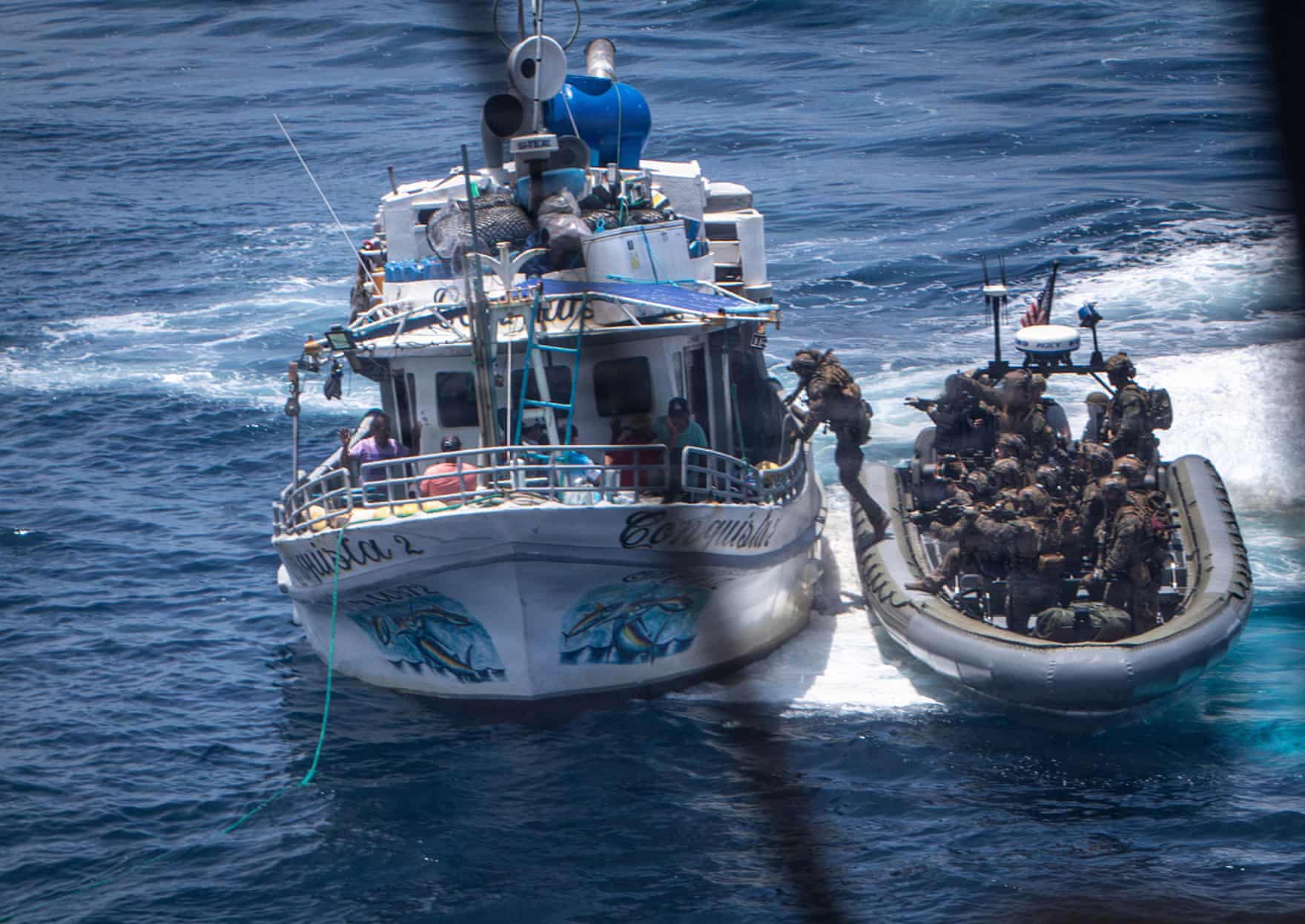
âÂÂNoboa has offered Ecuador as a âÂÂlaboratoryâ for the implementation of this new phase,â said Will Freeman, a fellow for Latin America studies at the Council on Foreign Relations.
Although Ecuador does not produce cocaine like neighbouring Colombia and Peru, over the past decade it has become a major trafficking hub because of its access to the Pacific, including the area where the attacks on boats have been taking place.
Noboa has responded with a controversial âÂÂiron-fistâ approach to the gangs, issuing repeated states of emergency and expanding the role of the armed forces.
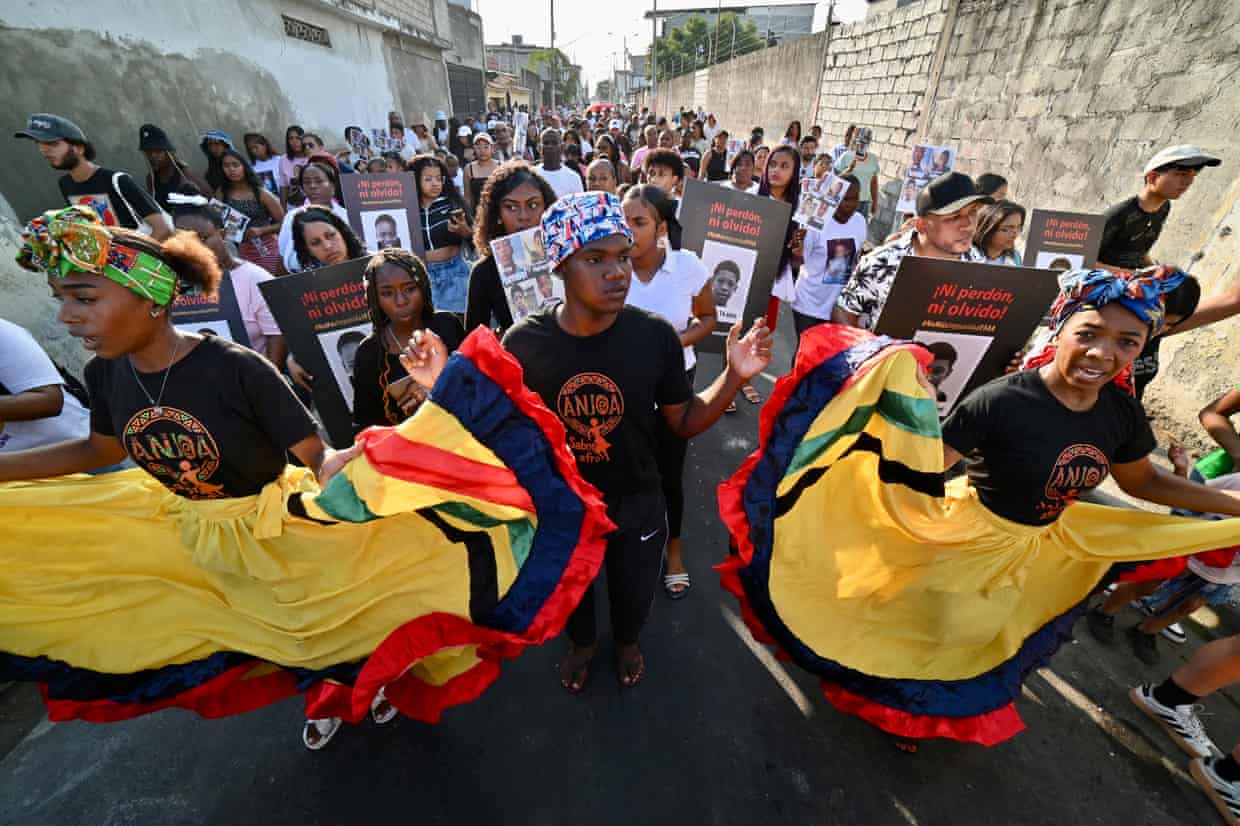
This crackdown however has done little to reduce violence, and instead has eroded human rights. The most notable example of human rights abuse came last year in the case of the âÂÂGuayaquil FourâÂÂ, the forced disappearance of four Afro-Ecuadorian boys between the age of 11 and 15. All four boys were found dead, there bodies charred and dismembered.
Despite pushback from voters, Noboa signed an agreement with the White House authorising joint operations and granting US military personnel involved in counter-narcotics operations immunity from criminal prosecution. The operations have also extended to land, with US troops taking part in raids last Thursday.
âÂÂNoboa is interested in the optics of a very lethal crackdown and in making Ecuador a place where the Trump administration can refine those methods and show them off,â said Freeman, who has also reported on the boat attacks in Ecuador for the New Yorker magazine.
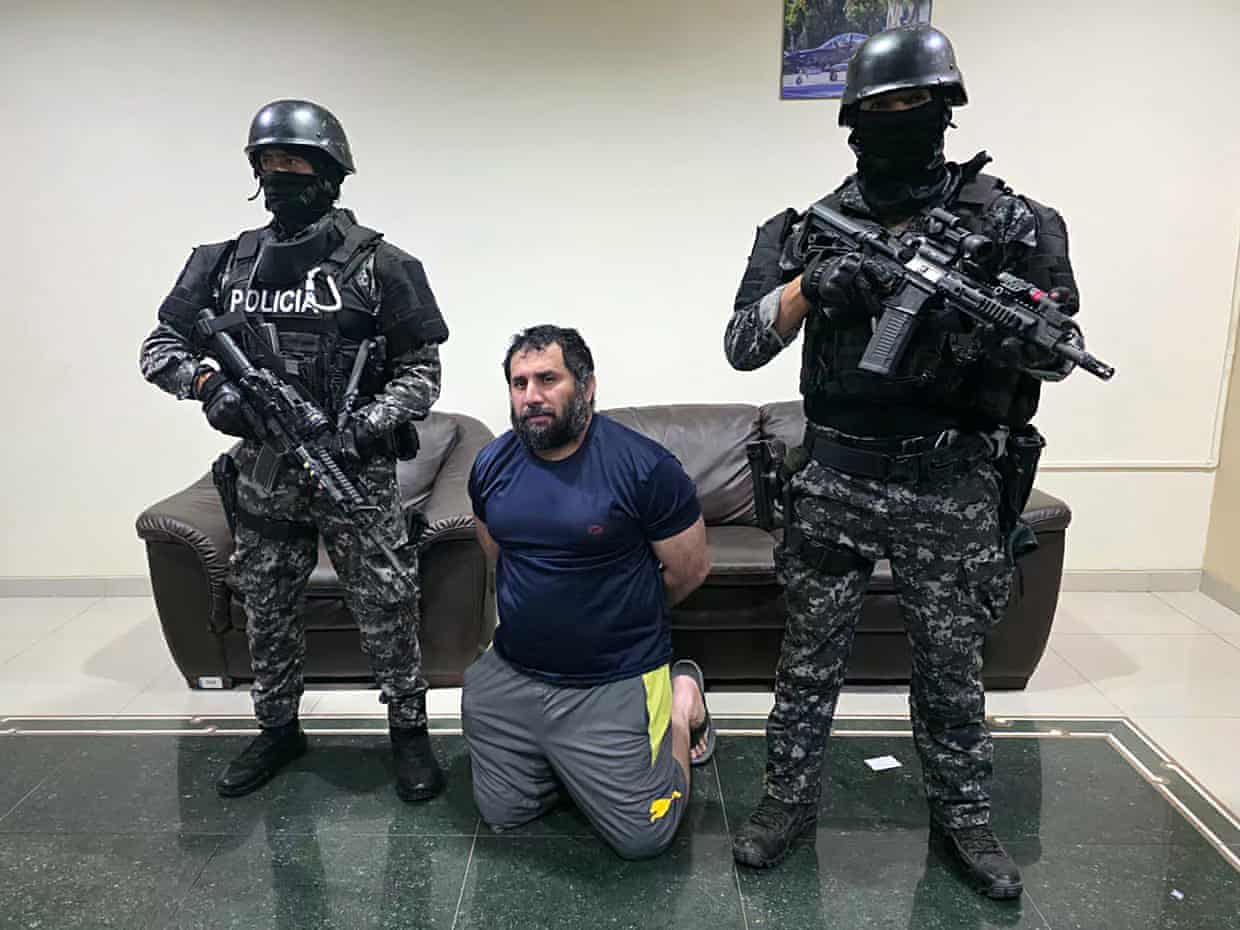
Trump has pressured Latin American presidents to join an anti-drug cartel coalition he created called Shield of the Americas. With Peru and Colombia recently joining, the group now includes all but the few countries still governed by the left, such as Mexico and Brazil â where a far-right senator is a serious contender in OctoberâÂÂs election.
So far, the coalitionâÂÂs primary goal appears to have been increasing joint operations against alleged drug traffickers.
Adam Isacson, director for defence oversight at the Washington Office on Latin America, expects joint operations to expand across the region.
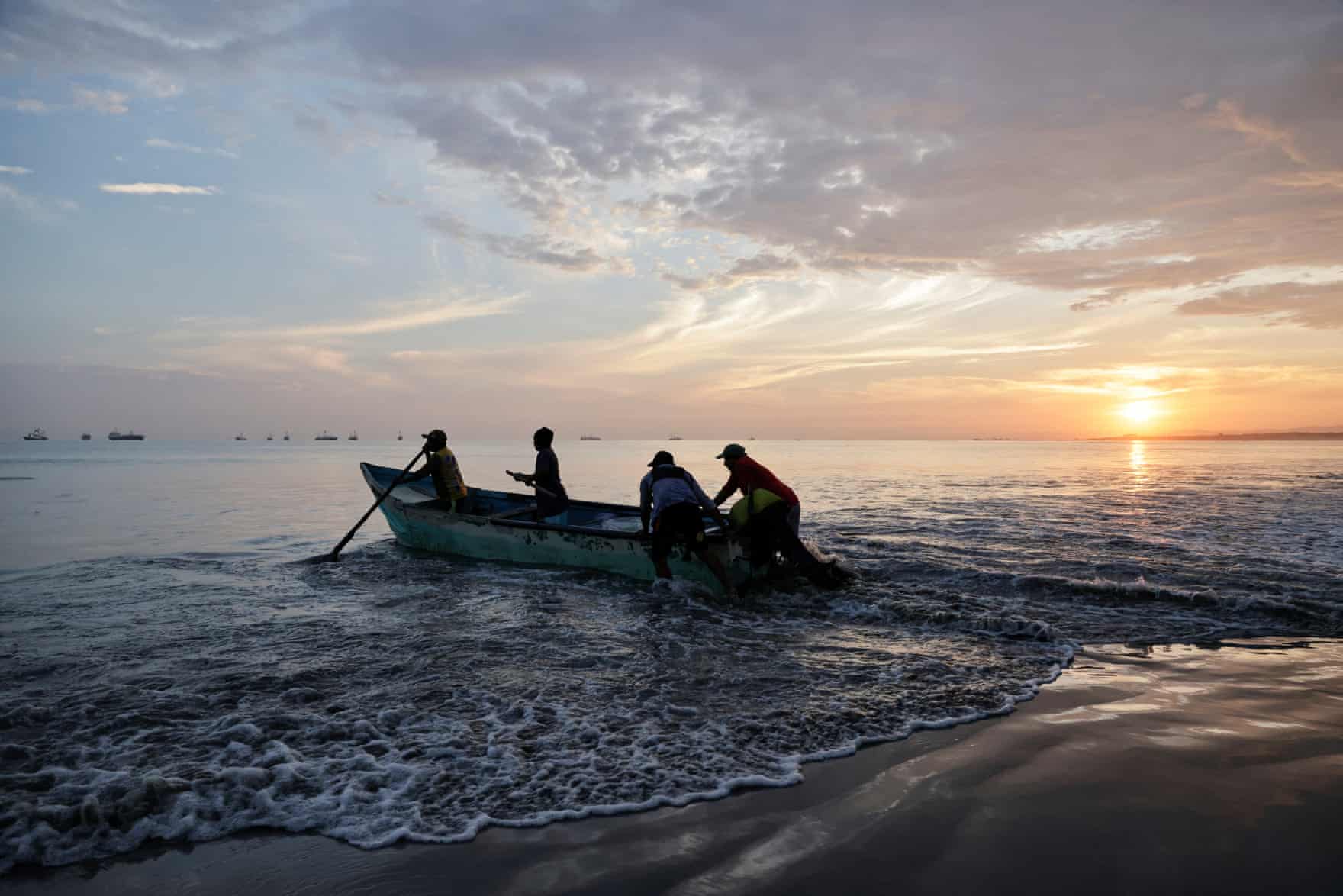
Isacson stressed that though more people are being turned over to local authorities instead of killed, the US is âÂÂstill doing the bad old stuffâÂÂ. On 19 September, four people were killed in the Caribbean. As with the other airstrikes, the US has not disclosed their identities or any of the alleged evidence linking them to criminal activity.
During his trip to Ecuador, Rubio said the decision on what approach to take was âÂÂa strike-by-strike or operation-by-operation determinationâ that depended on the threat and location of the boat, but that the US would âÂÂstill blow up ships if need beâÂÂ.
Human rights organisations have described the airstrikes as extrajudicial killings, and a special rapporteur for the UN human rights council has concluded that there are âÂÂreasonable grounds to believeâ that they constitute âÂÂcrimes against humanityâÂÂ.
Despite TrumpâÂÂs claims, available data show they have had no impact on the volume of cocaine entering the country.
Journalists and human rights groups have managed to identify some of the victims, who in many cases were innocent or, when suspected of involvement in criminal activity, poor people at the bottom of trafficking networks.
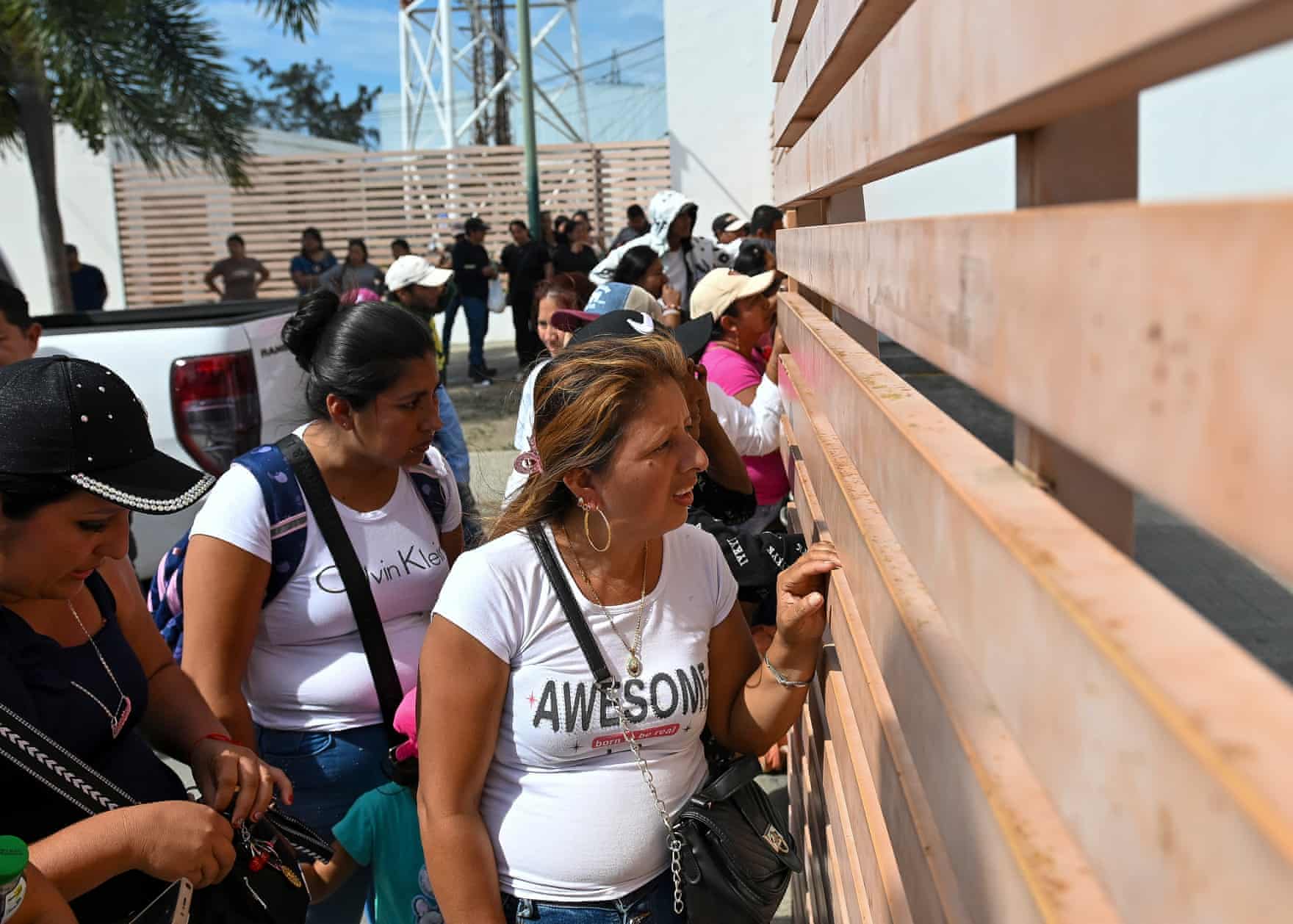
In Ecuador, the local NGO Permanent Committee for the Defence of Human Rights estimates that more than 220 fishers have been subjected to âÂÂviolent boardings, arbitrary detentions, enforced disappearances, torture and the destruction of vesselsâ in this yearâÂÂs US operations.
None of the fishers remains in custody and, while some are still facing prosecution, many have already been acquitted for lack of evidence.
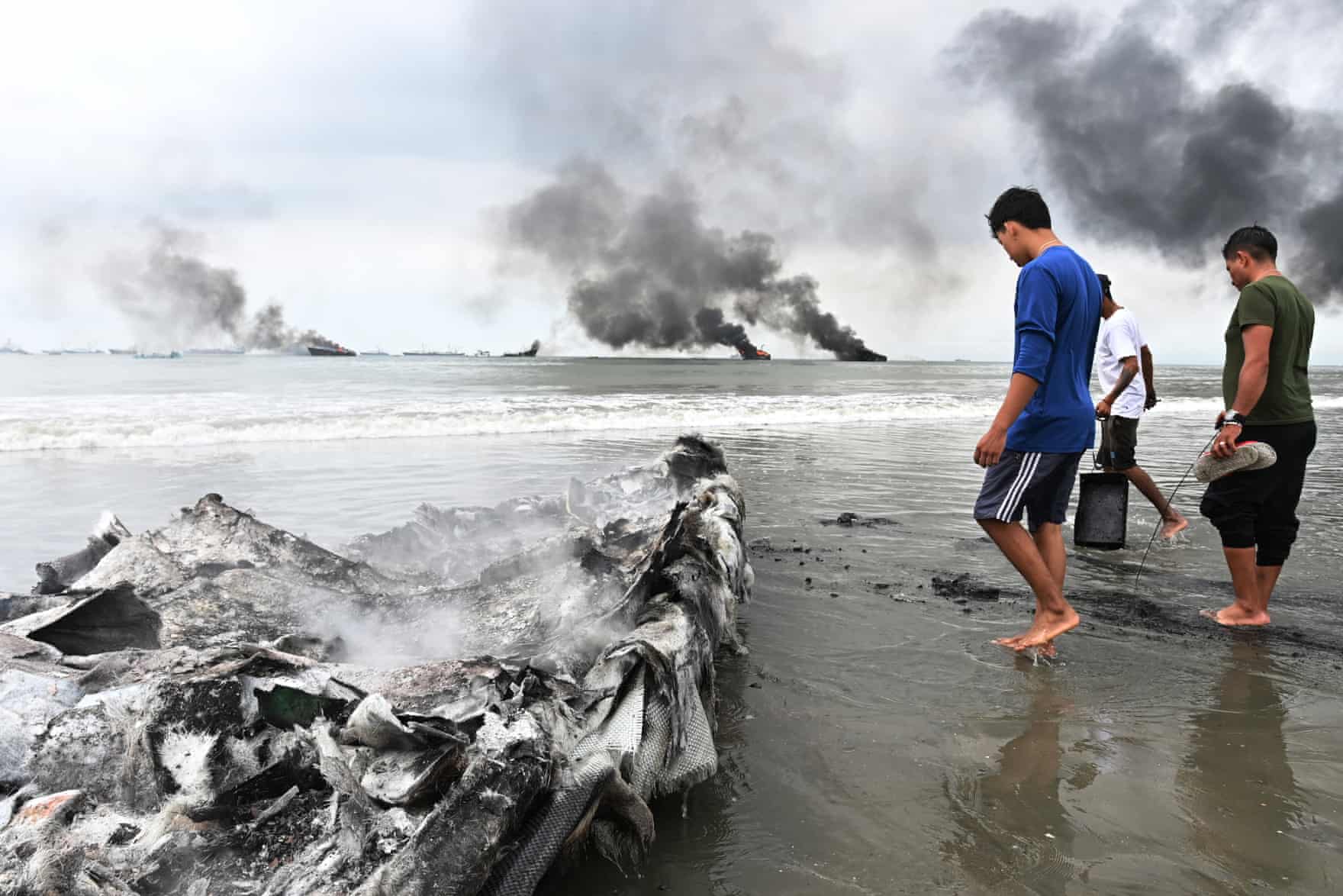
âÂÂFishers are losing their livelihoods when the US destroys the boats. Besides, if the US says the vessels were being used to refuel drug boats, why destroy the evidence?â said the committeeâÂÂs lawyer, Fernando BastÃÂas.
A US Southern Command spokesperson said it conducts operations âÂÂin compliance with US and international lawâ and that leaving boats âÂÂintact could permit their reuse by criminal networksâÂÂ.
Although the US and Ecuador have celebrated the recent operations on social media, three cases from earlier this year remain unclaimed.
The first was on 20 January, when the fishing vessel Fiorella disappeared with eight crew members on board; days earlier, some of them had told relatives they were being monitored by drones and by a vessel on which they said they had seen a US flag.
Human rights organisations and journalists identified two more cases with similar patterns in late March, although the fishers survived. The Washington Post reported that the three cases were part of a covert CIA programme, and the agency declined to comment.
A US Southern Command spokesperson said it had no knowledge of, nor were its forces âÂÂinvolved in the incidents described in reports involving the FiorellaâÂÂ.
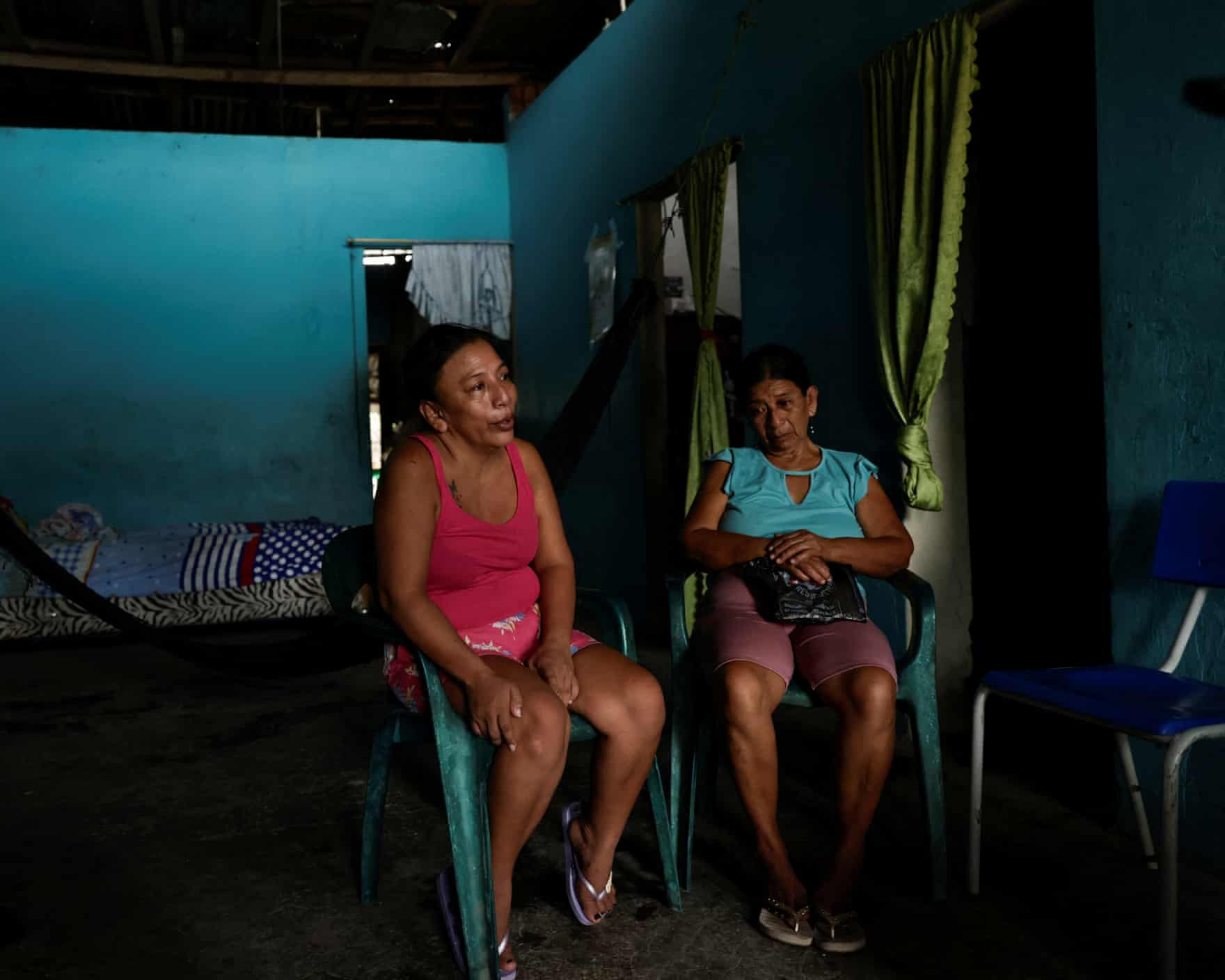
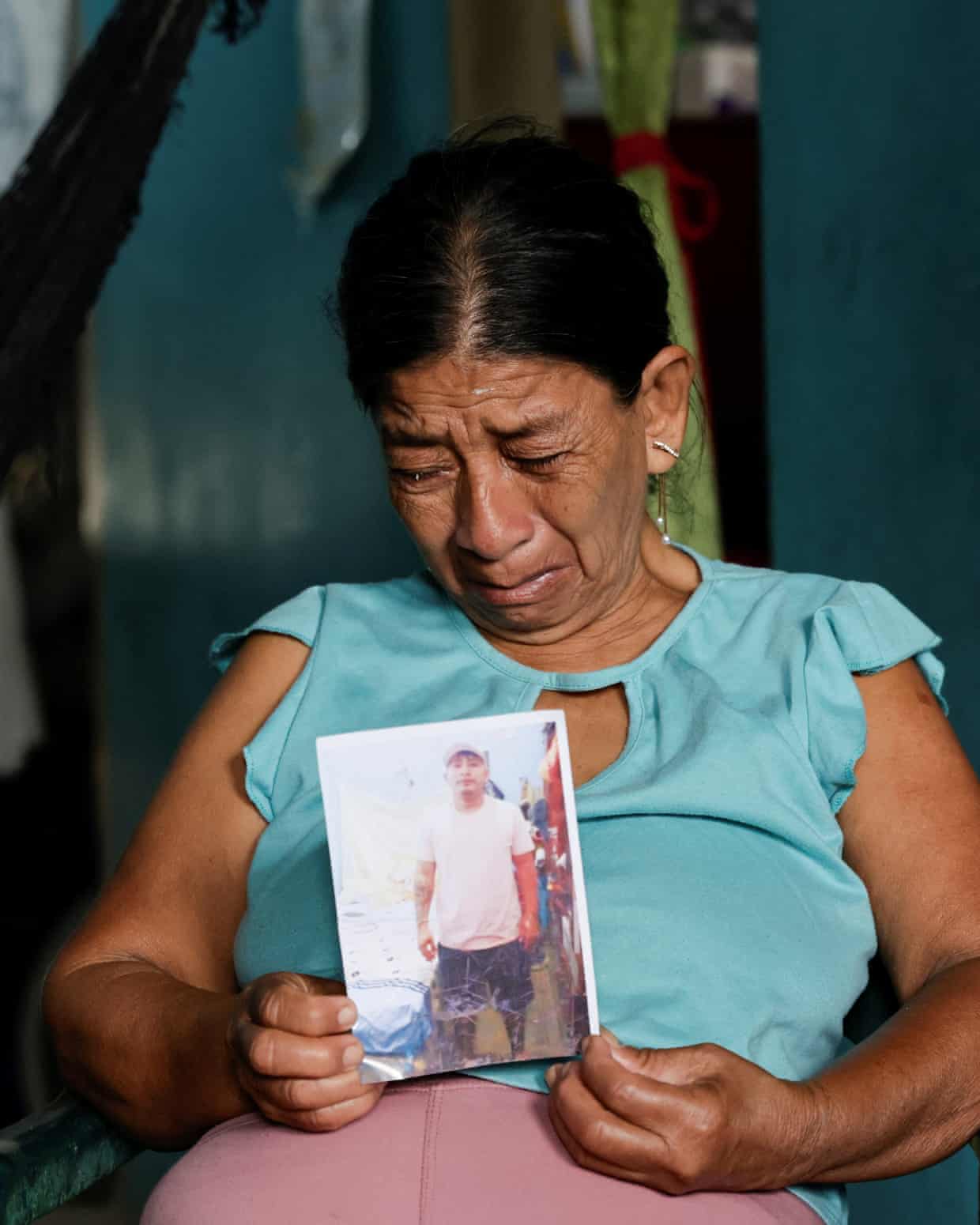
Both the husband and brother of MarÃÂa Mero, 43, were aboard the Fiorella: Gabriel Aladino Mero Delgado, 44, and Jefferson Ariel Mero Cueva, 25. âÂÂWhere did they take them? Do they have them in the US, in a prison somewhere? We donâÂÂt want any trouble; we just want them to send them back to us,â she told the Guardian.
The families say they have spent months trying to get answers from the Ecuadorian government, so far without success.
âÂÂThey were fishers, not criminals. Let the great president come here to my house and see whether I have luxuries, anything that would show IâÂÂm a drug trafficker. No, because all of us here are poor, and we just want our loved ones back,â added Mero.