
US lawmakers demand action on overcharging at 7-Eleven, Dollar General and other chains
Democrats urge FTC to tackle âÂÂsystemic failureâ of biggest convenience and dollar stores over pricing practices after Guardian investigations
Thirty-four members of Congress are calling on the Federal Trade Commission to investigate reports of widespread overcharging by some of AmericaâÂÂs most-recognized brand-name retailers.
The 28 October letter to the FTC comes in direct response to Guardian investigations of four of the nationâÂÂs largest dollar-store and convenience-store chains. Both investigations revealed pervasive mismatches between shelf labels and register prices.
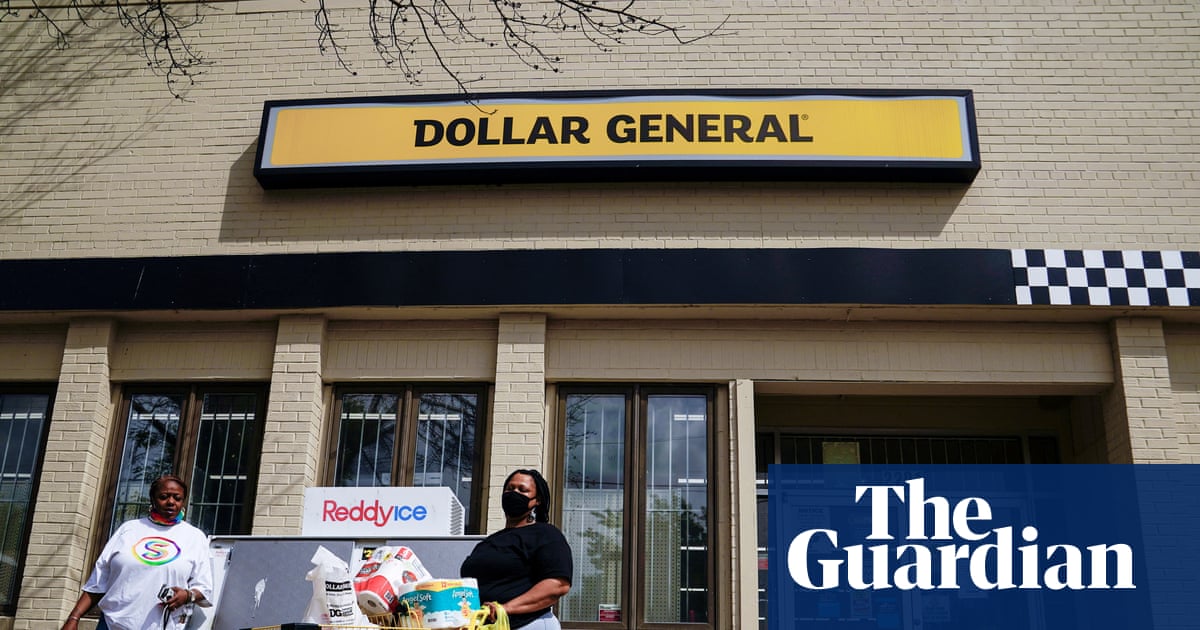
The first, published in December, found that Dollar General had failed more than 4,300 government price-accuracy inspections in 23 states over a three-year period on items such as peanut butter, spaghetti sauce and Flintstone vitamins. Its smaller rival, Family Dollar, failed 2,100 price inspections in 20 states over the same period.
The second, published last month, found a similar pattern at convenience store chains 7-Eleven and Circle K. Consumer complaints, along with state and local inspections, revealed overcharges for snacks, beverages, toiletries, tobacco and medications. In addition, some stores charged more at the pump for gasoline than the prices displayed on their big road-facing signs.
âÂÂThese reports show that these incidents are not isolated to a geographic area or to a handful of stores,â the Congress membersâ letter said. âÂÂInstead, the scale of documented violations seems to be the result of systemic failure within corporate operations, leading to customers overpaying for their groceries, potentially without knowing.âÂÂ
All four companies have told the Guardian in written statements that they try to keep register prices consistent with shelf prices.
The letter, written by US House Democrats from 17 states and the District of Columbia, was addressed to FTC chair Andrew N Ferguson, a Trump appointee.
It was sent two days after the FTC, along with 20 states, filed a federal lawsuit accusing Dollar General of a âÂÂpattern of inaccurate pricingâ that âÂÂaffects millions of purchasesâÂÂ. The lawsuit claims the company knew about the problem for years without correcting it.
Dollar General, in a statement, vowed to âÂÂdefend this litigation vigorouslyâÂÂ, saying it aims for 100% price accuracy and that it cooperated with the FTCâÂÂs investigation.
âÂÂWhile this step is positive,â the lawmakers wrote of the FTCâÂÂs lawsuit, âÂÂthe widespread nature of the issue revealed by public reports and state inquiries warrants a full-scope probe.âÂÂ
The congressional letter comes on the eve of a midterm election in which affordability has emerged as the major concern. In a recent Harris Poll conducted for the Guardian, voters listed gas prices, grocery prices and living expenses as their top three election issues.
In another poll, released by AP-Norc Center for Public Affairs Research, nearly 80% of voters disapproved of Donald TrumpâÂÂs handling of the cost of living.
âÂÂGas prices are at $4.50 a gallon in my district,â US representative Nikki Budzinski of Illinois, the letterâÂÂs lead author, told the Guardian. âÂÂAny uptick in a gas price, or any uptick in the price of a banana or the price of ground beef, means families, in reality, making very difficult decisions as to whether theyâÂÂre even able to afford that item any more ⦠TheyâÂÂre making decisions as to whether to fill their gas tank up completely or fill their grocery basket up.âÂÂ
Back in December, Budzinski and 29 colleagues wrote to the CEOs of Dollar General and Family Dollar seeking internal documents about their pricing disparities. Neither company complied, she said, âÂÂso weâÂÂre taking the next step of going to the FTC and asking them to do enforcement.â The federal agency is charged with policing unfair, deceptive and anti-competitive business practices.
The Guardian has contacted the FTC and the four retail chains for comment.
Budzinski and her co-authors noted that many of their constituents live too far to walk or drive to independent grocery stores or chain supermarkets. A Dollar General or 7-Eleven might be the closest place for them to buy food.
âÂÂBecause these stores are often the sole option for essentials in underserved neighborhoods and rural communities, these companies occupy a unique position of trust and responsibility,â the letter said. âÂÂIt is deeply troubling to see that these limited options have been exploited to the detriment of working families.âÂÂ
For one of the lawmakers who signed the letter, the issue is personal. US representative Shontel Brown lives near a Dollar General in Warrensville Heights, Ohio. She visited earlier this year to buy some soda pop. When she reached the register, she said, the total cost didnâÂÂt match the advertised price.
âÂÂI asked the cashier, âÂÂWait a minute, how am I paying X amount when these items are on sale and IâÂÂve applied these coupons?âÂÂâ Brown recalled. âÂÂAnd she said, âÂÂWell, the system does that. It does it a lot with the pop.âÂÂâÂÂ
The congresswoman left without making the purchase. âÂÂI have the luxury of not counting every single dollar in my budget,â she said. Many of her constituents donâÂÂt have that leeway. âÂÂI canâÂÂt imagine folks who are coming in there, who have to itemize every dollar, dealing with something like this. So when the letter was brought to my attention, I was a âÂÂhell yesâÂÂ.âÂÂ