US forces accused of âÂÂweaponisingâ SomaliaâÂÂs floods by trapping women and children in the path of El Niño
Exclusive: Coordinated airstrikes on territory held by al-Shabaab are driving the civilian population to find refuge alongside a river where rising water levels are a threat to safety. Is it a deliberate military strategy?
The water was rising rapidly. It had already reached Cayni AliâÂÂs waist. Her home, five metres from the flooded River Juba in southern Somalia, never stood a chance. There was nowhere to go. AliâÂÂs city of Jilib was under attack. Repeated airstrikes, said the mother of six, were pinning its population beside the rising river.
âÂÂThe drones come all the time,â said the 27-year-old. âÂÂWe hear them constantly. They kill animals, civilians. The town is big but destruction is everywhere.âÂÂ
Asho Omar from Malenda, a village near Jilib, described âÂÂconstantâ airstrikes that had forced people towards the banks of the Juba.
âÂÂThe airstrikes are everywhere; it is difficult to move. So many people have been killed.âÂÂ
Their testimony offers a rare glimpse of life inside the stronghold of al-Shabaab, the Islamist militants who control 30% of Somalia. Closed off from the outside world, residents describe a city dealing with significant civilian casualties. Bodies, some said, lay in the streets.
The ongoing conflict is a legally ambiguous, shadowy war coordinated by the United States in east Africa, in which there is little accountability for harm to Somali civilians.
The United States Africa Command (Africom) would not share âÂÂoperational securityâ details of a seemingly accelerating campaign that has also raised questions over potential covert US strikes. But there is, perhaps, an even darker dimension to the offensive on al-ShabaabâÂÂs de facto capital.
Sources say the military strategy appears to be seeking to drown those living in al-Shabaab territory by âÂÂweaponisingâ a rapidly strengthening El Niño, forecast to intensify SomaliaâÂÂs rainy season from this month.
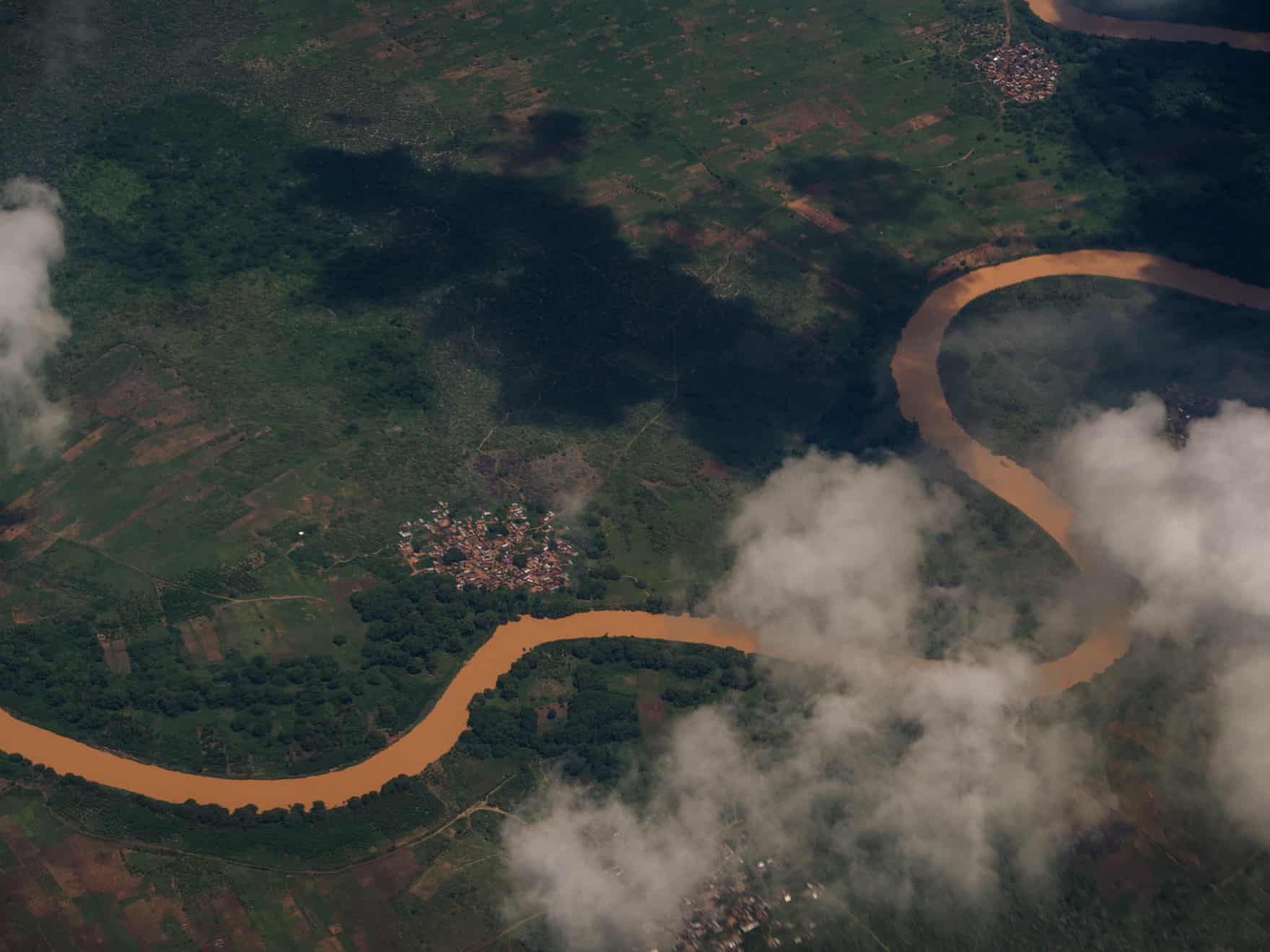
âÂÂThe airstrikes are forcing people to go close to the river. ItâÂÂs an extremely aggressive offensive, exploiting El Niño as a weapon of war to push the population into flood-prone areas,â said a source monitoring the Juba floodplain in southern Somalia.
Pinning the population â which includes large numbers of women and children â on the riverâÂÂs floodplain has raised concerns of large-scale deaths in the months ahead.
âÂÂThe official line is that they are targeting military positions and al-Shabaab, but because al-Shabaab is embedded within the community, itâÂÂs difficult to avoid collateral damage,â added the source.
When El Niño last struck Somalia in 2023, it caused the worst floods seen in the country for a century, displacing more than 1.2 million people. Analysts have questioned the ethics of the US military allegedly using mapping data from flood-prone areas â conceived to mitigate civilian casualties â to inflict harm.
Jethro Norman, a senior researcher with the Danish Institute for International Studies, said: âÂÂA weaponisation of El Niño is a reversal of process â using humanitarian remote sensing to inflict casualties rather than to mitigate harm. You capture the cumulative impact of a sustained airstrikes campaign in an El Niño flooding context.âÂÂ
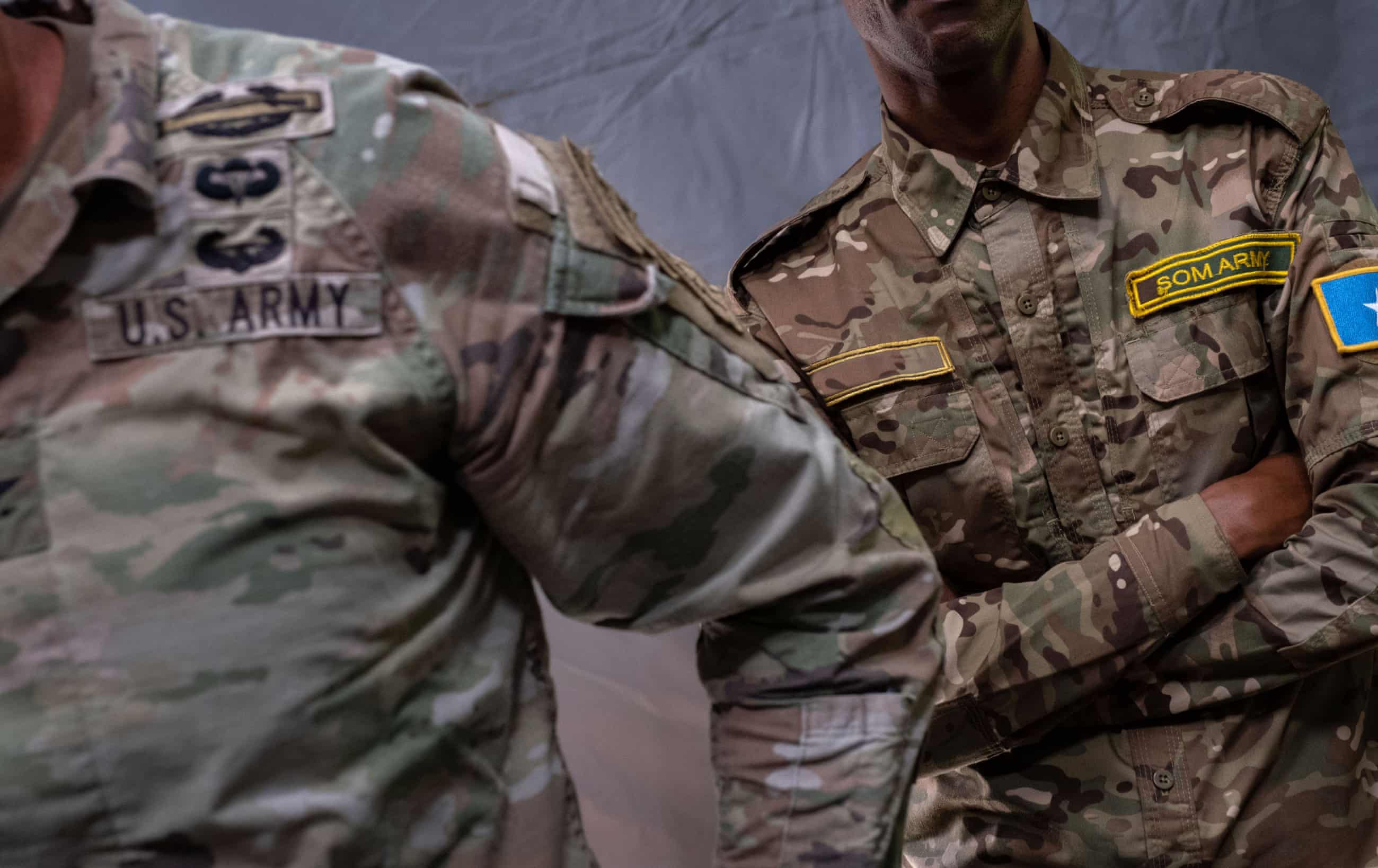
US officials deny exploiting climatic factors. A spokesperson said: âÂÂAfricom does not target civilians, conduct operations for the purpose of displacing civilian populations or use weather or flooding as a method of warfare. Africom targets lawful military objectives and takes feasible measures to mitigate civilian harm.âÂÂ
Nevertheless, many wonder if the opportunity to weaken al-Shabaab using the weather was too tempting to ignore, offering a catastrophic drowning event blamed on a supercharged El Niño.
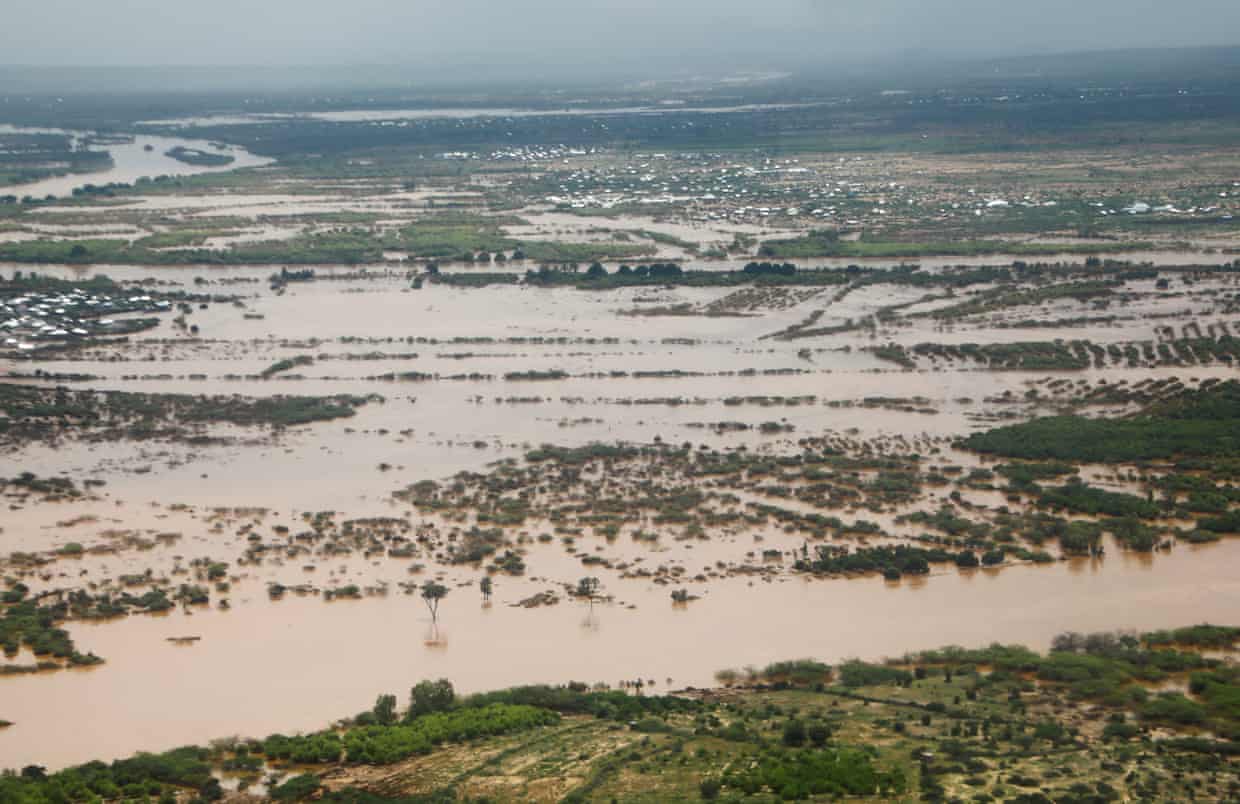
Like many cities, JilibâÂÂs location has been found wanting in an era of extreme weather. On a low-lying plain, the city is chronically vulnerable to flooding. In 2023, vast swathes of farmland were submerged. Halimo Abdikadir from Kamsuuma, south of Jillib, described the destruction of her home, 6 miles (10km) from the river. âÂÂThe waters came quickly at night â when they left, everything was mud. A lot of animals drowned.âÂÂ
Arbey Famu from Ahmed Yare, another village outside Jilib, expects this El Niño to be far worse than 2023: her crops of maize and sorghum are underwater.
âÂÂIn Jilib, there is big flooding already,â said the 70-year-old.
US defence officials will know the early indicators of El NiñoâÂÂs impact in al-ShabaabâÂÂs heartland. UN agencies say the Juba River basin is of âÂÂparticular concernâÂÂ. The International Committee of the Red Cross (ICRC), meanwhile, foresees âÂÂsevere floodingâÂÂ.
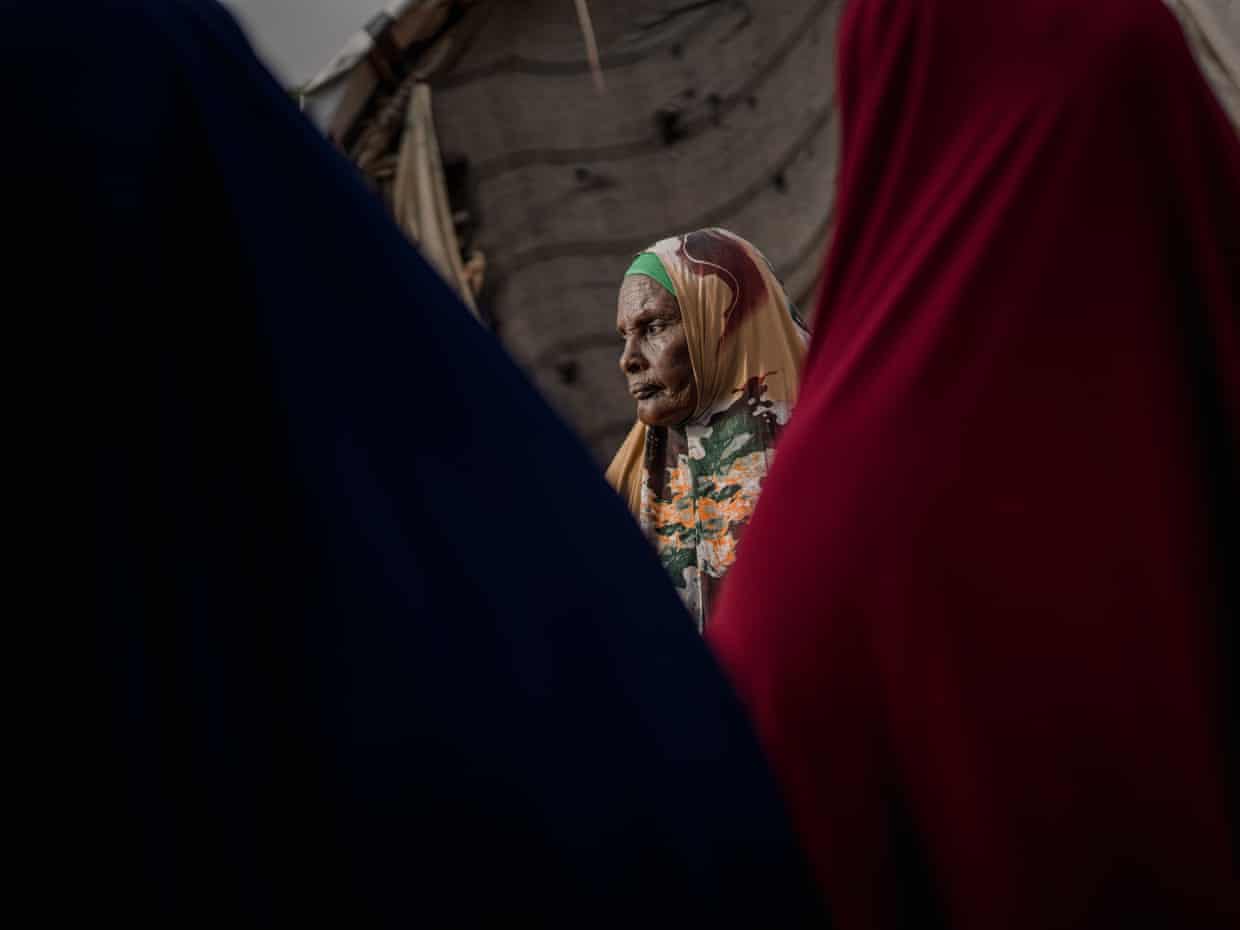
Attacking Jilib using ground forces carries much risk. Airstrikes can yield triumphs such as the death of a senior al-Shabaab commander on 1 October, but are unable to overrun a city of 100,000.
Ali Adan Ali, the commissioner for displaced people in Jubaland, is worried. In his Kismayo office, Ali identified 327 regions prone to flooding. By October, El Niño warnings had only been issued to half.
His chief concern is the lack of boats. Without them, he says, thousands in al-Shabaab territory risk being trapped on the east side of the river, unable to reach help in Kismayo, at the mouth of the Juba.
Three years ago, during the last El Niño, Ali says, 19,000 people were stranded for a week without food. âÂÂWe are running out of time,â he says.
The absence of boats sums up SomaliaâÂÂs funding woes. In 2023, the countryâÂÂs aid budget was $2.2bn. Now it stands at about $300,000. Flood protection investment has dwindled.
Compounding concerns is al-ShabaabâÂÂs lack of preparedness in the area it controls. Ali has not received a response from the militants regarding El Niño readiness. Cayni Ali said there are no sandbags or flood defences deployed yet in Jilib. Earth walls were erected along the river but have proved insufficient.
âÂÂThey are not big enough,â she said. The latest flood advisory for the River Juba urges communities to âÂÂreinforceâ weak riverbanks.
Corroborating testimonies describe a prolonged â and seemingly indiscriminate â campaign of airstrikes against al-Shabaab that appears to have killed many civilians. The US would not share details of potential civilian fatalities âÂÂto protect US and partner forces and preserve operational securityâÂÂ.
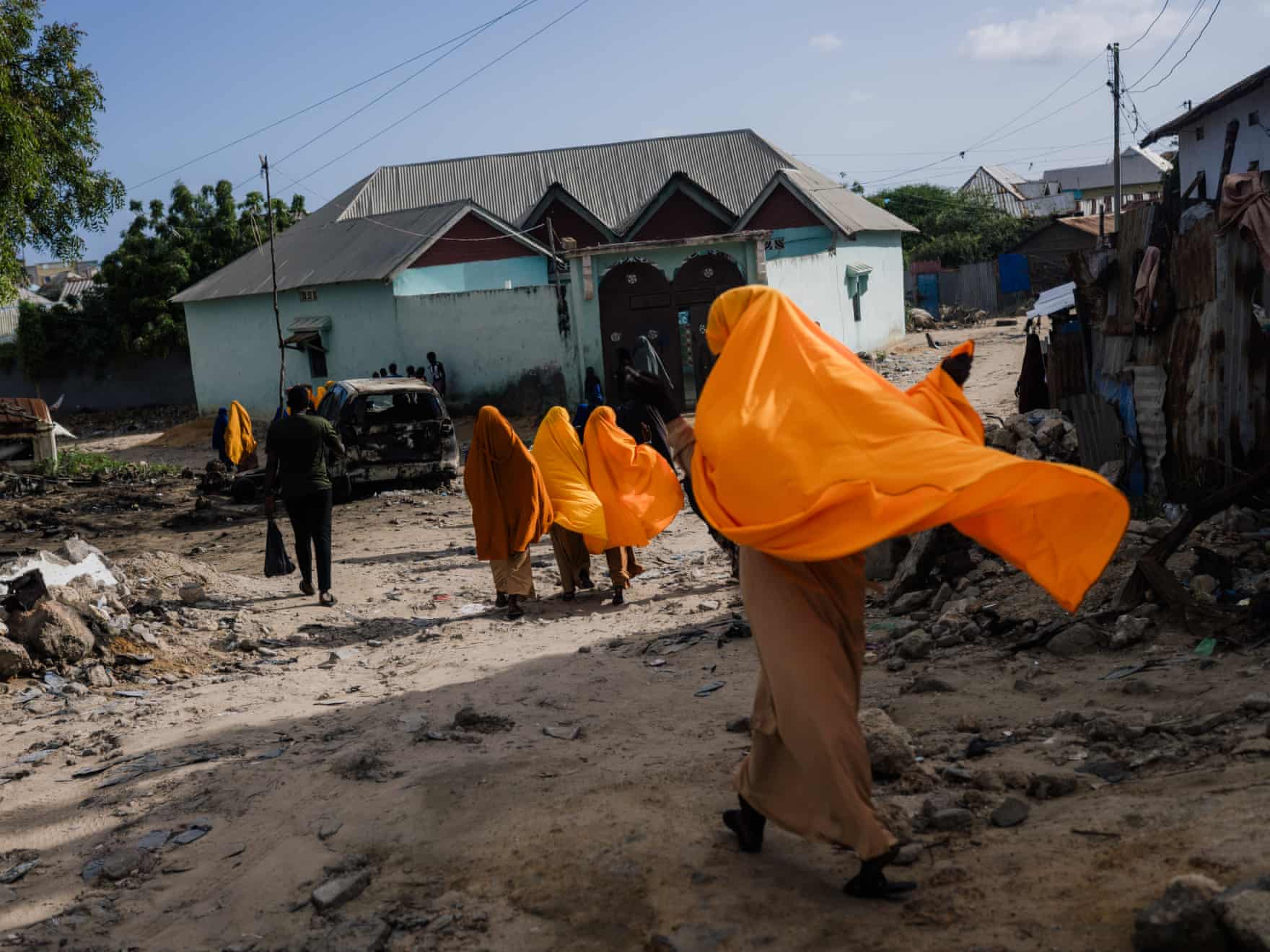
Farhan Ahmed, who lived in Jilib until fleeing last month, described constant terror. âÂÂThere were airstrikes every day, all the time.â One strike flattened five homes in his neighbourhood. Ahmed, 35, described bodies littering the city streets.
Fadumo Abdi claimed the airstrikes were largely failing to target militants. âÂÂThe attacks are mostly killing civilians. Some were buried, but some were not,â she said.
Abdikadir, from Kamsuuma, added: âÂÂThe drone attacks on Jilib are too much. So many people die.âÂÂ
Yusuf Siidi, 27, from Araare near Jamame in al-Shabaab territory, witnessed three teenagers killed in one strike. Maryan Salah was at home near Jamame when a drone sent a shard of burning metal 20cm long into her back yard, landing next to her two-year-old daughter.
âÂÂIt was so close. I am very angry. IâÂÂm not part of the conflict.âÂÂ
SalahâÂÂs near miss predates the current offensive. She can recall only that it happened in âÂÂmid-MarchâÂÂ. The US admits a drone strike near Jamame on 19 March, but no other data is provided.
Although eyewitness accounts detail an extraordinary number of strikes in Jilib, official US records confirm only one airstrike in Jilib during August. Six took place last month. Between the start of August and now, the US says it conducted a total of just 11 strikes.
Allegations of ambiguity increasingly characterise US operations in Somalia. It is an opaque approach that raises questions over whether Africom has authorised covert airstrikes in the region.
Records from the nearest hospital indicate intensive airstrikes or fighting. The ICRC has treated 205 patients with âÂÂweapon-relatedâ injuries in Kismayo this year, a 43% increase on last year.
David Sterman, analyst at the New America thinktank, said: âÂÂThe possibility that we are seeing covert US strikes always looms large when there are strikes without clear attribution.âÂÂ
The US, however, said it publicised âÂÂall airstrikes conducted under its authority in Somalia. We do not maintain an undisclosed or unannounced strike count.âÂÂ
Turkey has also used drones to target al-Shabaab in Somalia. Operating alongside Africom, Turkey rarely divulges any details of its strikes or military operations in Somalia.
Beyond airstrikes and floods, the primary concern for Somalis is hunger. Those fleeing the Juba valley â local authorities are offering humanitarian help to those who escape â say there is insufficient food to sustain them.
OmarâÂÂs family of 13 survives on one fish a day. How big is the fish? Omar held her hands less than 30cm apart.
Habiba Ali, 55, from Jamame, said her family â like many â shares one daily meal of maize. Time in between is spent hiding from conflict. âÂÂWhen the fighting stops, we wait for it start again.âÂÂ
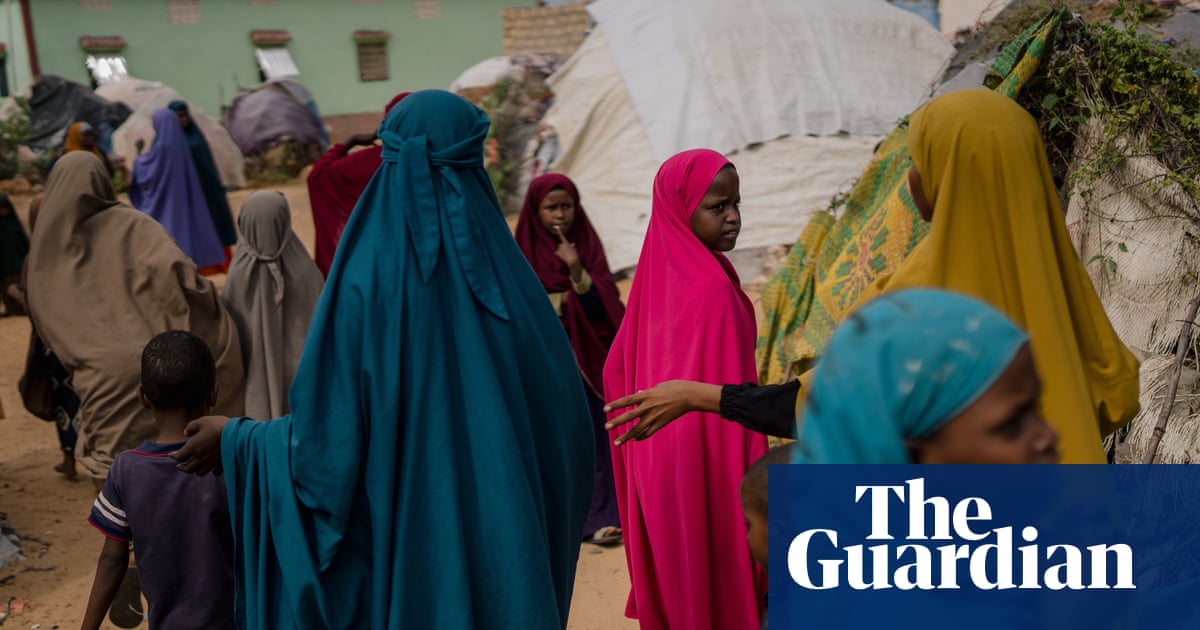
In Kismayo, too, long-term drought and USAID cuts have brought misery.
Shukri Ahmed, 32, the president of Galbeed refugee camp, estimates that 6,000 might have died in KismayoâÂÂs network of displacement sites since the Trump administration abruptly shut USAID last year. Overnight, two children had died in makeshift shelters from diarrhoea.
El Niño will âÂÂdeepen [SomaliaâÂÂs] hunger levelsâÂÂ, warns the UN-backed body responsible for identifying famine.
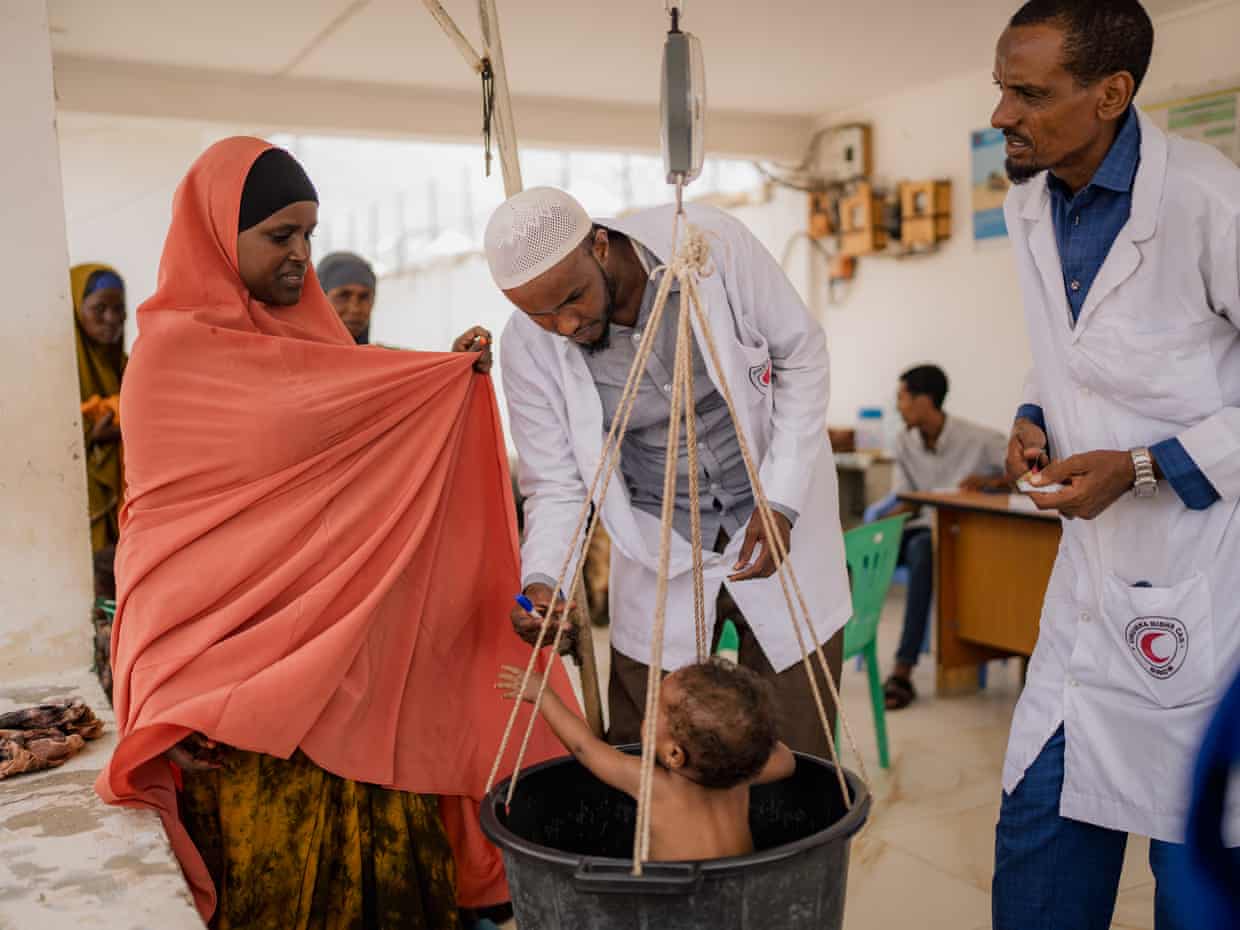
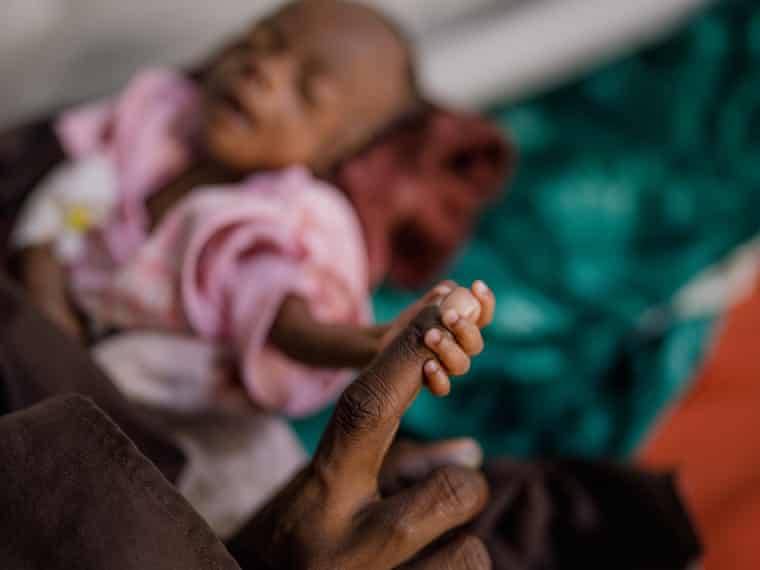
Zakaria Mohammed, head nurse at KismayoâÂÂs ICRC-supported hospital for five years, says children from al-Shabaab territory arrive every day so severely malnourished or weak they cannot be saved. Cases of child malnutrition rates have risen 40% this year.
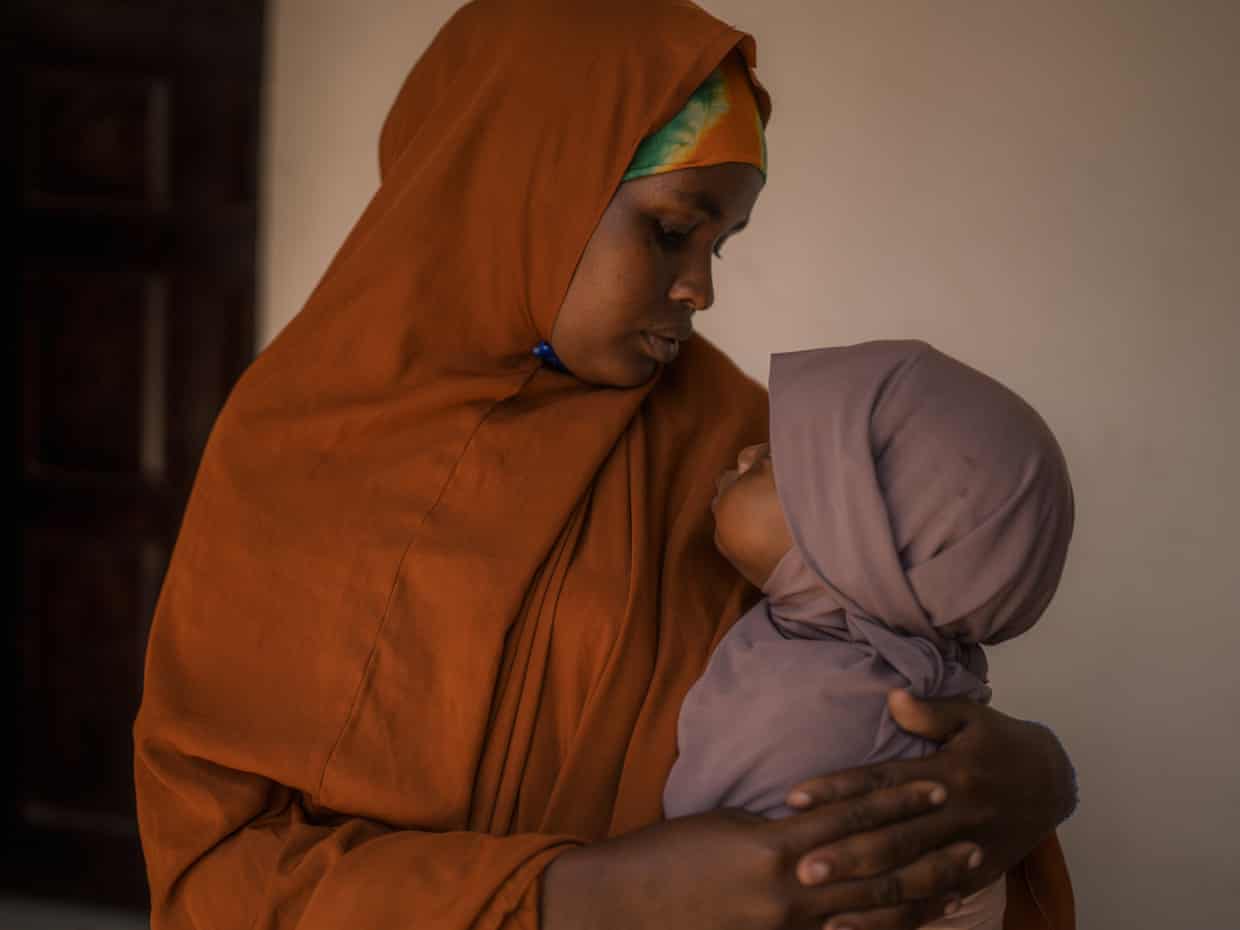
Xaawo Nacdoor made it just in time. Al-Shabaab had blocked her leaving Jamame to receive treatment for her baby. But her 14-month-old daughter Faadumo was dying, so Nacdoor fled at night.
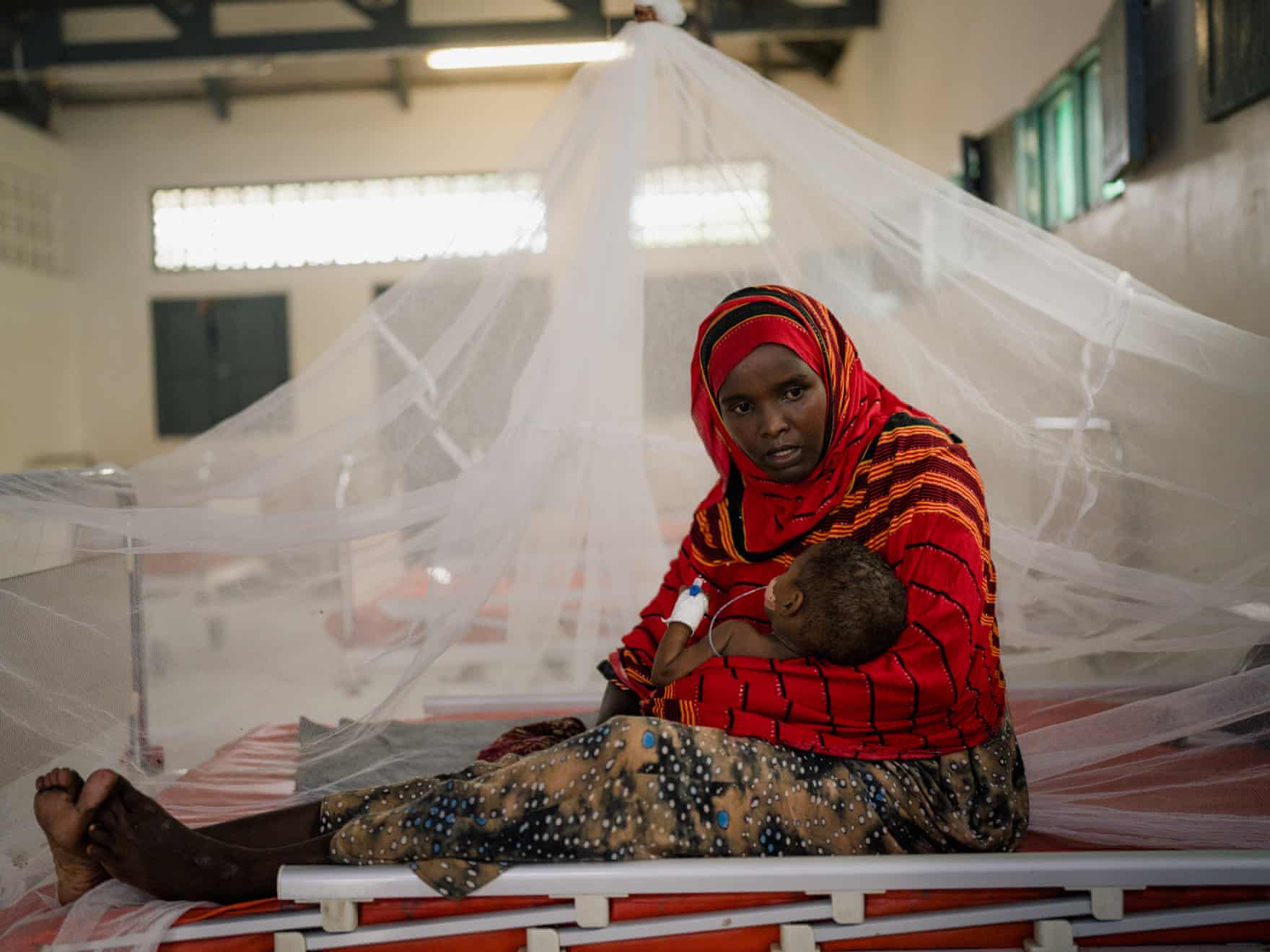
For three days, with just a bottle of water, Nacdoor walked with her daughter strapped to her back. On the second day, the toddler lost consciousness.
âÂÂShe was severely dehydrated, but I kept going.â Arriving at the hospital, Faadumo weighed 4.1kg. Three days later: 4.4kg. She survived.
Most patients here vow never to return home, saying life under al-Shabaab meant no school, education, healthcare or food. For the thousands of families straddling the Juba River â often the poorest â things are about to get much worse.