
âÂÂUnder tremendous strainâÂÂ: CIA analyst turned spy novelist on a fraying US-UK alliance
David McCloskeyâÂÂs new book depicts a calamitous collapse of the âÂÂspecial relationshipâ â could things get darker still?
The âÂÂspecial relationshipâÂÂ, the time-honored emotional bond between the US and Britain that has sustained through war and peace, is in trouble.
The ties of history, culture and language that have bridged an ocean and bound the two countries politically for generations are fraying as perhaps never before â strained relentlessly by Donald Trump, who has gleefully sacrificed traditional alliances and diplomatic niceties on the altar of his âÂÂAmerica firstâ agenda.
Against that troubled backdrop, David McCloskey, a former Central Intelligence Agency (CIA) analyst turned spy writer and podcast host, has sketched out how things could get darker still. His case â laid out in a new novel â has been reinforced by the serendipity of real events.
The past month alone has seen the US president openly consider abandoning WashingtonâÂÂs de facto support for Britain in its dispute with Argentina over the Falklands Islands, and vocally welcome the idea of a united Ireland.
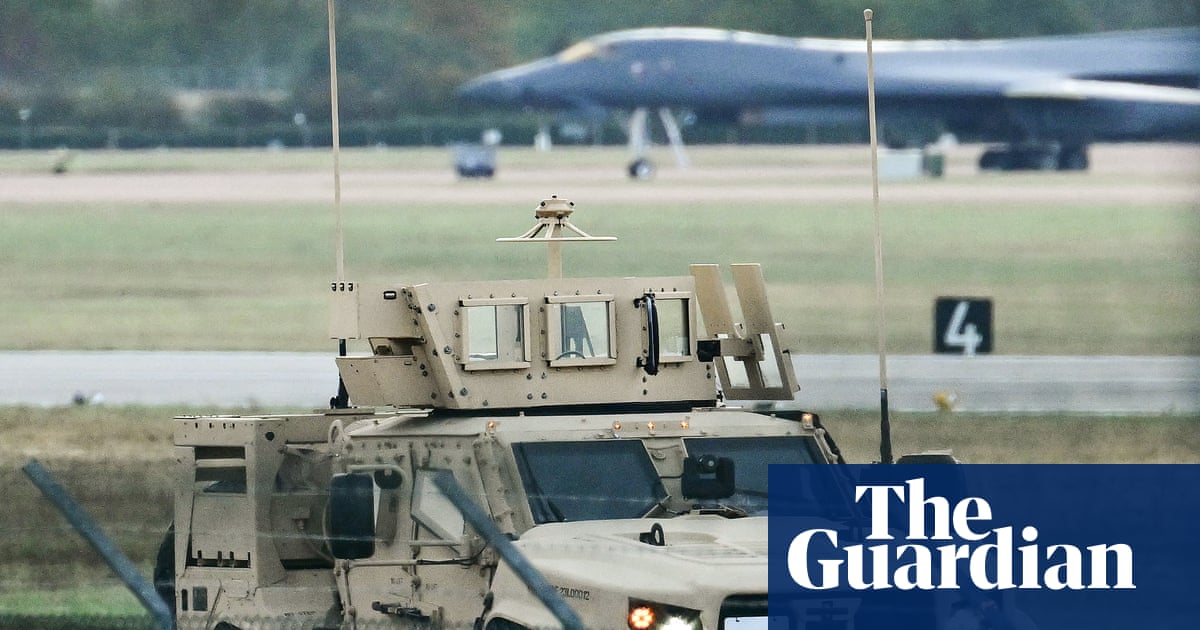
Last weekend, the Trump administration hurriedly withdrew 12 B-1 bombers from a British airbase, RAF Fairford, following intelligence reports that they could be targeted in an Iranian drone attack. The move, presaged by jeering attacks on Britain from some of TrumpâÂÂs most ardent supporters, reinforced a growing sense of the US pulling back from a strategic partnership that, at times, has been intimate.
Nothing denotes the special in the relationship between the US and Britain as the sharing of intelligence. In London Station, his new novel, McCloskey somewhat ghoulishly explores where it could all go wrong, depicting a calamitous collapse in cooperation as the CIA comes under the guidance of a new Trump-like director who scorns MI6, the British intelligence agency, as âÂÂfreeloadersâ and âÂÂpickpocketsâÂÂ.
McCloskeyâÂÂs imagined scenario seemed plausible even before recent developments, as two allies that faced the cold war and other conflicts in lockstep drifted apart on a number of fronts, including RussiaâÂÂs war with Ukraine and TrumpâÂÂs decision to attack Iran, signaling a geopolitical trend that he calls âÂÂfairly alarmingâÂÂ.
âÂÂI do think weâÂÂre at a period in the special relationship where thereâÂÂs a lot more divergence between [Britain and the US],â said McCloskey, speaking by phone from a London cab. âÂÂA lot of the cultural affinity that the two nations have have felt for each other, going back to the second world war, is thinning out a little bit â and it created a lot of opportunities to think about how this relationship, as shown in the novel, could get even worse.âÂÂ
The âÂÂton of researchâ McCloskey carried out while writing uncovered serious fears for the special relationshipâÂÂs future on both sides, but especially in Britain. âÂÂWeâÂÂre seeing a lot of concern here in London about what do we do with this really hard-elbowed US foreign policy under Trump that seems to minimize the contribution of of allies and sort of pull traditional enemies closer,â he said. âÂÂSo I think I think the relationship is under a tremendous amount of strain.âÂÂ
One source of British concern is TrumpâÂÂs affinity for Vladimir Putin, which has left British spies leery of sharing information for fear that the US president could pass it on, or betray the source.
âÂÂIf I was deep inside Vauxhall Cross [the London headquarters of MI6] working on Russia, and I had a very sensitive piece of intelligence from a sensitive source, would I have more qualms about sharing that with the Americans right now? Probably,â suggested McCloskey, recalling the occasion when Trump reportedly passed on Israeli intelligence to the Russian foreign minister, Sergei Lavrov, during his first presidency.
Worried British intelligence officers McCloskey has consulted had posited such a scenario âÂÂas a reasonable hypotheticalâÂÂ, he said, quickly adding that he could not confirm if any intelligence had actually been withheld.
What he could verify was tension, resentment on the British side at being the junior partner, and â curiously â mutual feelings of intimidation, with US agents being deferential to the UK sideâÂÂs native abilities.
âÂÂOne of the very common themes of my conversations with UK intelligence officers was this feeling of real tension with the US and fear because there wasnâÂÂt anything the UK, as the junior partner, could really do about it,â said McCloskey, who regularly unpicks murky realities of the British-US intelligence partnership with the former BBC security correspondent Gordon Corera on The Rest Is Classified podcast.
âÂÂFor example, if youâÂÂre in a third country and you have an [MI6] officer and a CIA officer pursuing the same target, and both services sort of deconflict that, it was almost always the case that the US would win out because it just has more heft and more resources,â he said. âÂÂMany of the MI6 [insiders] I interviewed, I think, frankly, resented the [CIA] and didnâÂÂt care for it. Yet there was this sense of like, âÂÂWhat can I do? WeâÂÂre very reliant on this partner.âÂÂâÂÂ
CIA officers had their own problems. âÂÂI found any number of CIA officers who could recount instances where they had personality conflicts with their British counterparts,â said McCloskey. âÂÂThe CIA officers felt here was a intimidation [from] the Brits, stemming from education, how articulate they were, their sense of refinement.âÂÂ
Yet none of this means the relationship is doomed.
US agents, virtually without exception, saw merit in the alliance. âÂÂAlmost every CIA officer I spoke to really felt like the Brits brought a great deal to the table,â recounted McCloskey.
The âÂÂfive-eyesâ cooperation agreement â providing signals intelligence-sharing between the US, Britain, Canada, Australia and New Zealand â remains intact, and is likely to survive for the foreseeable future.
The US-UK relationship still has âÂÂdepth and flexibilityâÂÂ, in McCloskeyâÂÂs view, giving it the potential to evolve and survive, regardless of future leadership in either country.
Nevertheless, he conceded, things have permanently changed. Tensions between the intelligence services will likely escalate â albeit not necessarily to the extent depicted in London Station â as foreign policy interests of the US and UK go their separate ways.
âÂÂA lot of the structural changes weâÂÂre seeing in the special relationship are not specific to Trump, and will outlast him,â McCloskey said. âÂÂUnlike the cold war, we donâÂÂt have an overarching geopolitical enemy to unify us, and so weâÂÂre seeing more divergence.
âÂÂThereâÂÂs are a lot of areas where I could imagine the two intelligence services slightly downshifting their level of exchange.âÂÂ
The end result is a relationship that may remain friendly, at times close â but perhaps less than special.
âÂÂFraming it as a special relationship makes it seem like the two countries should agree on almost everything at all times, everywhere â and that is too much pressure to put on a bilateral relationship between two independent nations,â concluded McCloskey. âÂÂItâÂÂs a cliche, but true, that nations donâÂÂt have permanent relationships â just interests.âÂÂ