
UK to deploy facial recognition in biggest-ever immigration crackdown
Documents show Home Office developing programme to use technology for general immigration enforcement
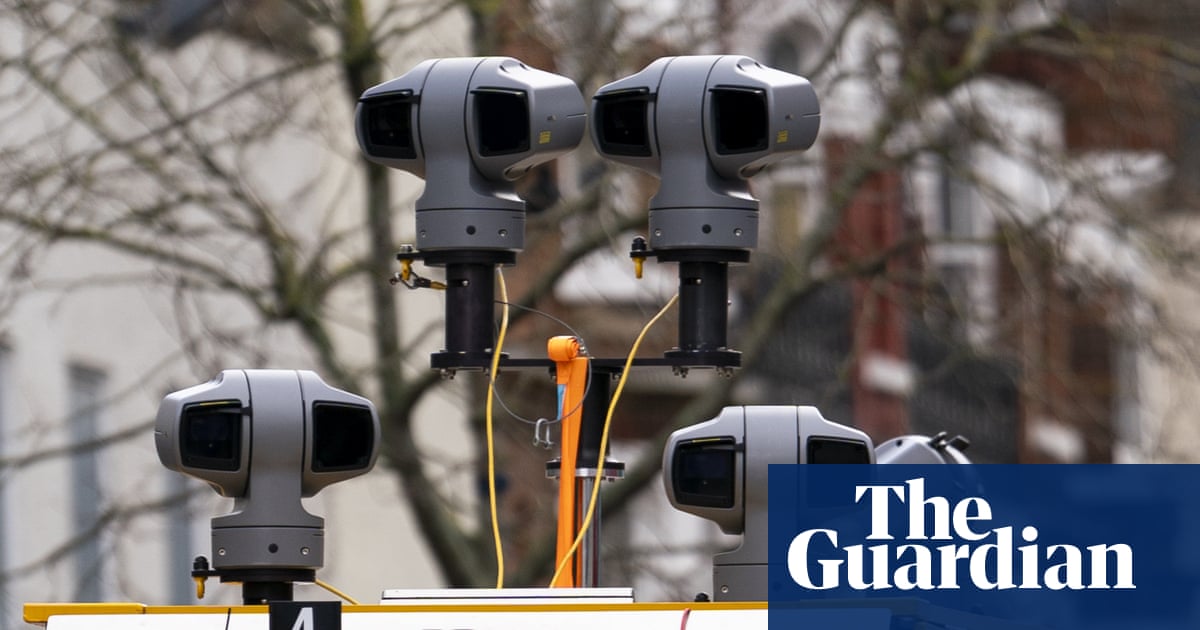
The Home Office is preparing to deploy facial recognition technology at transport hubs and public events as part of the biggest immigration enforcement crackdown in British history.
Policy documents show the government has been developing a programme to deploy live facial recognition (LFR) cameras for âÂÂgeneral immigration enforcementâÂÂ, including non-criminal immigration offences.
The technology will be used to identify people âÂÂseeking to re-enter the UK unlawfullyâÂÂ, target those subject to removal action and to crack down on broader âÂÂimmigration-related criminalityâÂÂ.
The Home Office states the cameras will be used to locate undocumented people so it can resolve their cases, which it says will reduce âÂÂdisruption to the wider public compared to repeated enforcement visits at residential addresses or workplacesâÂÂ.
The documents further suggest that people could be included on LFR watchlists for overstaying a visa without permission, or entering without leave, all of which are considered civil rather than criminal matters.
The developments are contained in a new guidance document for immigration enforcement officials published on 8 October and a data protection impact assessment made public later in the month.
Their publication follows the decision by Shabana Mahmood, the home secretary, to double the budget for immigration enforcement and boost its workforce by 60% to allow âÂÂtens of thousandsâ more raids, arrests and deportations.
Between November last year and February, immigration enforcement conducted three trials of LFR technology at Holyhead port in north Wales.
The trials were narrowly focused on locating people travelling to the UK from Ireland through the common travel area in breach of deportation orders or on a warrant for âÂÂan immigration-related criminal offenceâÂÂ.
The documents suggests that, in the future, individuals âÂÂliable to detention under immigration legislationâ and who have âÂÂfailed to comply with immigration conditions of entry or stayâ could also be put on a watchlist. The LFR project âÂÂhas now moved into the formal delivery phaseâÂÂ, it is said.
Locations where immigration enforcement could deploy facial recognition cameras have also been expanded to include âÂÂproactiveâ deployments at transport hubs and at âÂÂspecificâ events which are âÂÂexpected to increase footfall at a locationâÂÂ, although no specific geography is named.
A list of potential higher-risk deployments includes locations with âÂÂheightened community sensitivityâÂÂ. When the Home Office was asked for clarity on what was meant by âÂÂeventsâ or âÂÂsensitiveâ locations, it refused to comment.
A spokesperson confirmed that it was âÂÂconsidering further trialsâ of LFR by immigration enforcement officers and that it was âÂÂactively exploring the potential benefits, implications and future use of the technologyâÂÂ.
The new policy document states no one under the age of 18 will be included on a watchlist. Earlier this year it was revealed that the Home Office had continued to use an AI facial-age estimation tool despite knowing it had misidentified child migrants as adults.
Campaigners have called the âÂÂsecretiveâ expansion a âÂÂhuge and shocking escalation of mass surveillanceâ and highlighted the well-documented bias towards misidentifying people of colour when used at some settings.
Griff Ferris, a spokesperson for the Joint Council for the Welfare of Immigrants, said immigration enforcement already employed tactics that âÂÂpersecute and terrorise migrant communitiesâ and that giving it more power to use a âÂÂracist mass surveillance tool in public places is frighteningâÂÂ.
Sarah Lasoye, of the Open Rights Group, said immigration enforcement âÂÂappear to be giving themselves the green light to expand use of highly controversial facial recognition technologies without scrutiny, transparency or public consentâÂÂ.
She said: âÂÂImmigration enforcement and police forces are exploiting an absence of national legislation regulating uses of AI technologies, including facial recognition, in the public sector.âÂÂ
The policy documents claim the use of LFR by immigration enforcement âÂÂis subject to external oversight, including by the biometrics and surveillance camera commissioner and the Information CommissionerâÂÂs OfficeâÂÂ.
The biometrics and surveillance camera commissioner, William Webster, told Liberty Investigates, which first uncovered the new policy documents, that he was not consulted on the policy and clarified that the use of LFR for immigration purposes fell outside his remit.
He added that the âÂÂproliferation of LFR into different service contexts does raise important questions about the scope of existing regulatory oversightâÂÂ, which he hopes will be addressed in the forthcoming legislative framework for facial recognition.