

Trump facing AI backlash in Congress as push for guardrails intensifies
President has dismissed anxieties over AIâÂÂs dangerous potential even as Democrats and some Republicans acknowledge risks
Donald Trump is facing a rare backlash from the US Congress as Democrats and some Republicans push for guardrails on the worldâÂÂs most powerful AI companies.
Concerns over the dangerous potential of AI reached fever pitch this week after tech leaders sounded the alarm over the rapid advancement of the technology and its potential threat to humanity.
Trump dismissed the anxieties on Monday, describing them as a âÂÂHOAXâ and âÂÂconspiracyâ and insisting on social media: âÂÂThe only control or âÂÂguardrailsâ that AI needs is a STRONG AND SMART (High IQ!) PRESIDENT, and the U.S.A. has that, in spades!âÂÂ
But the 80-year-old president, who has sidelined Congress on numerous issues during his second term, looks increasingly isolated as members of both major parties acknowledged the risks and expressed a desire to act before it was too late.
Don Beyer, a Democratic congressman from Virginia, said: âÂÂHistory will look very poorly on that tweet. HeâÂÂs not paying attention â or heâÂÂs paying attention to the wrong people. HeâÂÂs being really foolish: not the first time heâÂÂs been really foolish but perhaps catastrophically foolish in this case.âÂÂ
Recent surveys by the University of MarylandâÂÂs Program for Public Consultation found 85% of Democrats and 79% of Republicans want a new federal agency to monitor and regulate AI; and 82% of Democrats and 78% of Republicans favour government safety tests for AI making critical decisions.
While many politicians agree on the need to act, they are divided on what government intervention should look like and how far it should go. Some fear a pause on AI development could allow China to take the lead in the AI race and undermine national security.
Beyer called for Congress to stay in session instead of breaking for the midterm elections to work on AI legislation that has already been introduced. âÂÂThe first thing that IâÂÂm very certain of is that the industry shouldnâÂÂt be allowed to regulate themselves; history doesnâÂÂt support that at all,â he said.
âÂÂEspecially when theyâÂÂre making so much money, there will be absolutely no incentive to regulate themselves at a less profit. If we look at medicines or childcare workers or automobile emissions and safety, all throughout our economy, we have regulatory bodies that keep us safe and promote the common good and allow businesses to be profitable. We need something like that.âÂÂ
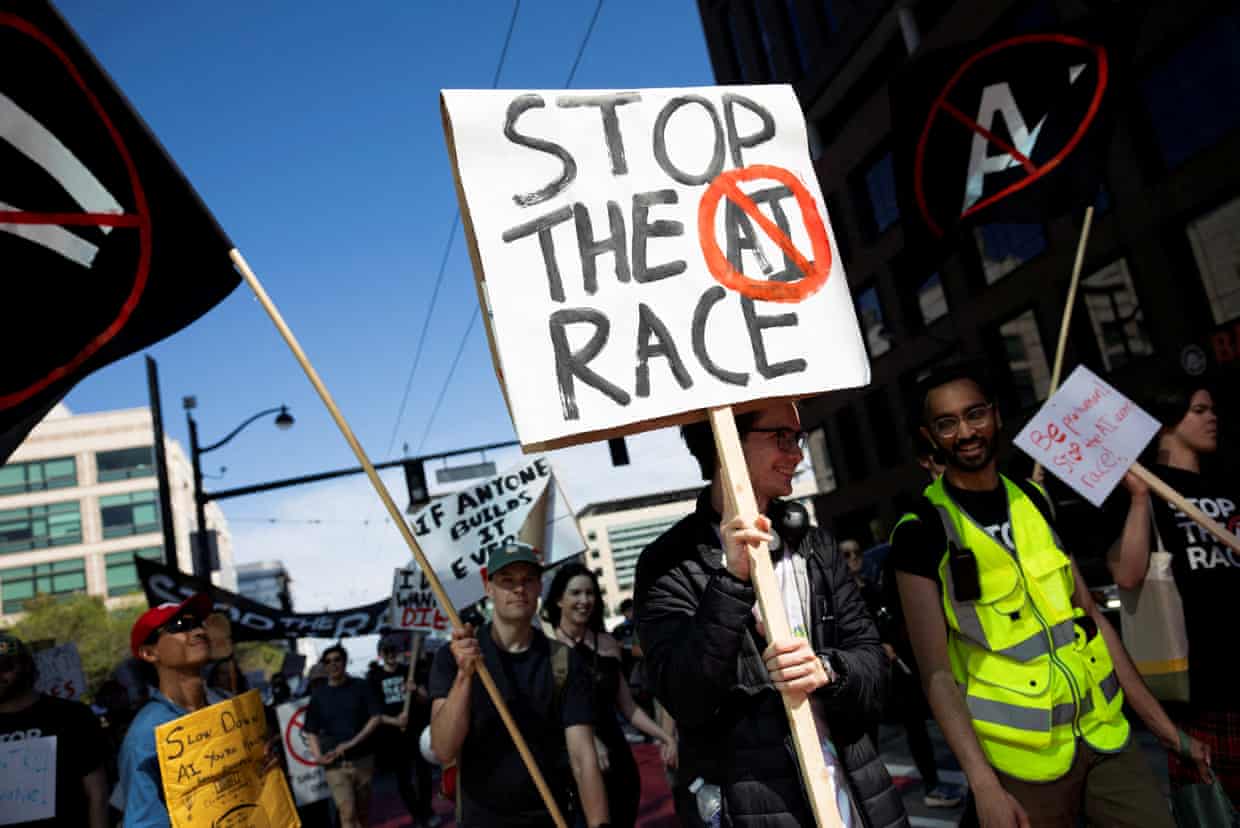
The flurry of debate follows warnings last week from three Anthropic researchers that AI could destroy humanity within the next decade. Recent disclosures from several AI companies that their models hacked into outside organizations during botched safety tests have also raised alarm about potential cybersecurity risks, with Dario Amodei, the chief executive of Anthropic, claiming in an essay that in six to 12 months a âÂÂswarmâ of AI agents could attack the entire internet and cause hundreds of billions of dollars in damage.
While AI executives have issued their own warnings about the risks from their products, public backlash against the industry and pressure on lawmakers to rein in AI firms have also been mounting throughout the year. The rapid build out of data centers has generated nationwide protests and become a prominent midterm elections issue, while the tech lobby has spent millions in an attempt to influence political campaigns and shape proposed legislation.
The viral panic over AIâÂÂs potential existential threat this past week has intensified the longstanding debate over the technology, which so far has resulted in much political handwringing but only a patchwork of attempts at regulation. Many AI experts, regardless of whether they agree on the merits of the Anthropic researchersâ warnings, see this moment as a unique opportunity.
Amba Kak, co-executive director of the AI Now Institute and a former senior adviser on AI for the Federal Trade Commission, said: âÂÂYou never waste a crisis is an old and well-worn adage in policy land. WeâÂÂre looking at a really important policy opportunity and a policy window.âÂÂ
AI industry leaders have also suggested that they are open to increased oversight and the formation of some kind of standards body, while AmodeiâÂÂs letter advocated for international cooperation with states like China akin to cold war-era arms limitation treaties. Many AI regulation advocates are skeptical of industry proposals, however, arguing that AI companies are attempting to undercut strict government oversight and set their own terms.
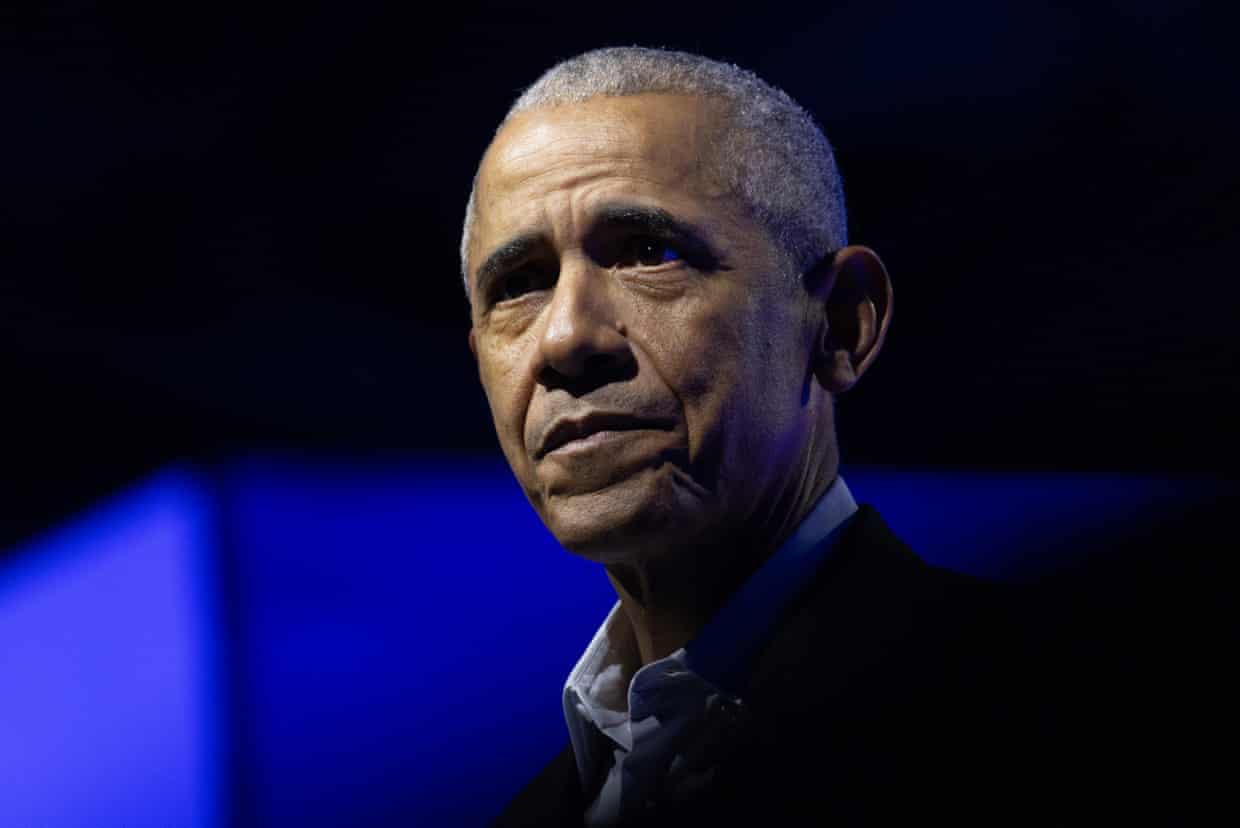
In a rare intervention on Monday night, former president Barack Obama welcomed the current debate but warned that âÂÂat the end of the day, voluntary standards made by a handful of tech companies wonâÂÂt be enoughâÂÂ.
Writing on X, Obama added: âÂÂWe need government â and specifically our leaders in Washington â to get proactive in coming up with concrete proposals, laws and regulations that deal with serious safety concerns, anticipate AIâÂÂs impact on jobs and our kids, and make sure that AIâÂÂs benefits are widely spread.âÂÂ
Members of Congress are holding a series of meetings this week with AI researchers and safety advocates as Congress tries to address the growing alarm. The Senate Democratic leader, Chuck Schumer, urged the Trump administration to provide a classified briefing to senators on AI and work with members of Congress and industry leaders to implement guardrails and block China from accessing the USâÂÂs advanced AI chips.
Bernie Sanders, who announced a bill last week aimed at banning âÂÂartificial superintelligence,â is holding a private briefing this week for other senators. The briefing will include co-founder of the Future of Life Institute co-founder Max Tegmark, whose organization has become one of the most well-funded and politically connected voices in warning about AIâÂÂs alleged existential risks.
Tegmark said: âÂÂEvery other industry in the US used to be unregulated. There used to be soothing syrup fed to infants with opioids in it. Then the FDA was created, now stuff like that doesnâÂÂt reach the market. Eventually safety standards came in. That hasnâÂÂt happened with AI companies.âÂÂ
Congressman Greg Casar, a Democrat who will speak with Sanders at the Future of Life InstituteâÂÂs âÂÂPro-Human Assemblyâ on Tuesday, dismissed the notion that big tech companies should be responsible for AI safety. âÂÂThatâÂÂs like saying it should be bank robbers that are responsible for bank safety,â he said. âÂÂThe American people are waking up to the dangers of unregulated artificial intelligence.
âÂÂYou have these AI CEOs coming to take away peopleâÂÂs jobs, to surveil people and attack our freedoms, and now you have all of these whistleblowers talking about potential mass casualty events. So Congress should be cracking down on these big tech companies and on these AI CEOs, not like what Republican Speaker Mike Johnson and Donald Trump go and do. They go to these AI CEOs and ask for Super Pac checks for their candidates.âÂÂ
Republicans broke from Trump in acknowledging the potential perils of AI but came up with a variety of different fixes for the problem. Congressman Jay Obernolte of California, the lead Republican negotiating a bipartisan bill to govern AI, said: âÂÂWe need to avoid overregulation, so we need to achieve these two conflicting goals ⦠of protecting Americans against very real risks of AI in the hands of malicious human actors, while at the same time balancing the need to have a light-touch regulatory environment that allows the positive benefits of AI to improve our economy and our society. So thatâÂÂs thatâÂÂs the difficult part is getting that balance right.âÂÂ
John Kennedy, a Republican senator for Louisiana, said he would propose a bill on Wednesday to require all AI companies build a kill switch into their models. âÂÂItâÂÂs not going to put the federal government in charge of the kill switch. They would be in charge of their own kill switch, but they all have to have a kill switch, and IâÂÂm going to put that on the floor.âÂÂ
But despite the growing urgency and public pressure, some members suspect that the bitterly polarised Congress will not be able to meet the moment.
Congressman Jared Moskowitz, a Democrat from Florida, was sceptical about the possibility of passing an AI regulation bill. âÂÂI think Congress has already shown they donâÂÂt have the capacity,â he said. âÂÂThe speaker has said, âÂÂweâÂÂre not going to do anythingâÂÂ. In fact, he has said âÂÂwe donâÂÂt know enough to do itâÂÂ. I think thatâÂÂs not what the American people are looking for. The American people are looking for leadership.âÂÂ
Rick Scott, a Republican senator for Florida, added: âÂÂDid we balance the budget? Oh, did we pass a budget? See, what have we gotten done? So you think weâÂÂre going to get AI done?
âÂÂBy the way, these companies that create a product that they think can destroy mankind â they have a responsibility to do it themselves. They shouldnâÂÂt be relying on us. I mean, itâÂÂs disgusting. I saw this as governor. People come, âÂÂgo regulate meâÂÂ. Yeah, we know what they want is they donâÂÂt want to be responsible for their actions.âÂÂ