
Trump boosted half of US coal plants with taxpayer dollars and âÂÂfree passes to polluteâÂÂ, report says
Environmental Defense Fund analysis shows administration handed out $950m and Clean Air Act exemptions
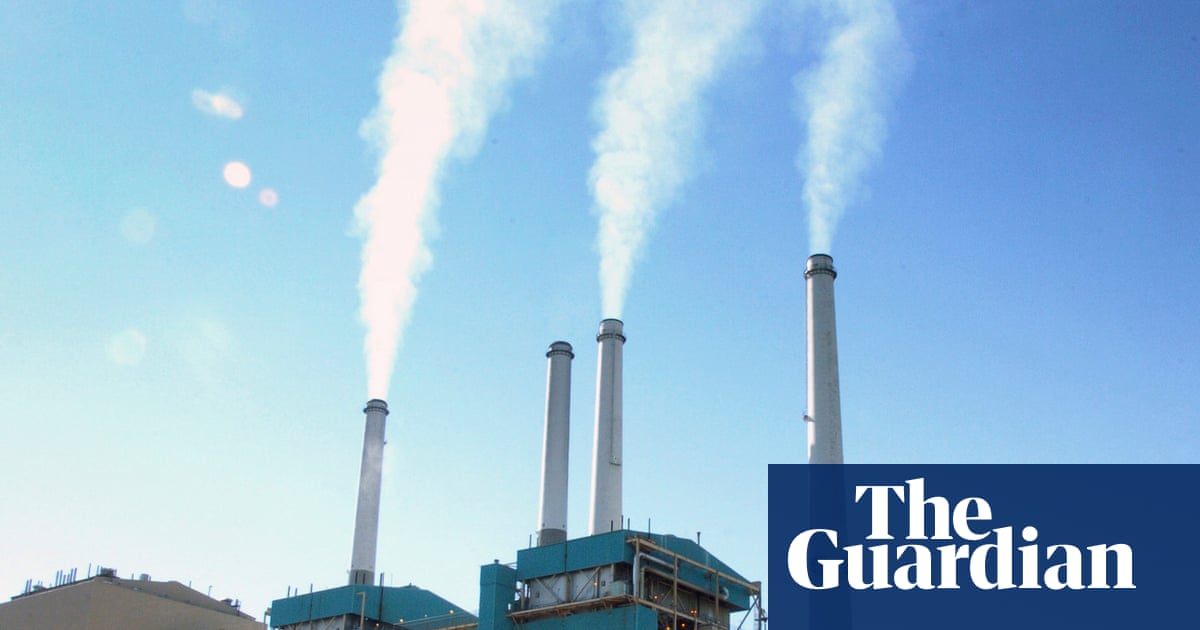
ItâÂÂs a good time to be a coal plant in the US. The Trump administration has given support to almost half of the nationâÂÂs coal plants, helping them to continue operating despite economic and regulatory headwinds, according to a new analysis by the Environmental Defense Fund.
The analysis, which looked at the 184 operating coal plants that are connected to the grid, found that 90 received support from the Trump administration through âÂÂcash handouts, free passes to pollute, and requirements to stay online past their retirement datesâÂÂ.
The administration provided $950m in taxpayer dollars to 24 coal plants and handed Clean Air Act exemptions from toxic pollution limits to 70 coal plants, according to the EDF analysis.
âÂÂItâÂÂs extending the life of these coal plants,â said Surbhi Sarang, director and senior attorney at the Environmental Defense Fund. âÂÂThe administration has leveraged a multitude of tools to prop up coal plants, and ultimately all of that is harming Americans even more by increasing electricity costs, by increasing pollution â itâÂÂs like Americans are getting hit twice.âÂÂ
In 2015, the EPAâÂÂs Mercury and Air Toxics Standards first took effect, driving down dangerous pollution from power plants by more than 90%. In 2024, the EPA updated the standards to further reduce harmful pollution from coal-fired power plants. In the early days of the second Trump term, companies were invited to email the administration to request an exemption from the 2024 standards. According to emails obtained by the EDF through Freedom of Information Act requests, companies expressed concern that the standards would cost them too much money.
The Colstrip plant in Montana has operated for more than 40 years, affecting nearby communities like the Northern Cheyenne reservation by releasing toxic chemicals like mercury, arsenic, lead and nickel. âÂÂThatâÂÂs one of the dirtiest coal plants thatâÂÂs still operating in the nation,â Sarang said.
In 2024, the Mercury and Air Toxics Standards for coal-fired power plants was strengthened in several ways. For example, the standard for fine particulate matter, or fPM, reduced allowable emissions of nickel, arsenic, lead and other toxic metals from coal plants by two-thirds. According to the EDF, NorthWestern Energy and Talen Energy, which own and operate the Colstrip plant, requested an exemption from the fPM requirement.

Brian Bird, president and CEO of NorthWestern, wrote an email to the Department of Energy in March 2025 asking for a 15-minute chat about the standards with administrator Lee Zeldin. In the email, obtained by EDF, he argued that it would cost $500m to comply with the new rule: âÂÂIt is ludicrous that our customers would have to cover the costs of a $500m investment for such a slight improvement to particulate matter capture,â he wrote.
The Trump administration gave NorthWestern an exemption from complying with the 2024 updated standards, which the administration went on to repeal in February.
Sarang said the Colstrip plant had not installed modern pollution controls that could reduce emissions. If it had been required to comply with the 2024 updated standards, it would have had to upgrade its equipment, she said: âÂÂIt would have had pretty significant impacts on air pollution.âÂÂ
NorthWestern, which became ColstripâÂÂs majority owner earlier this year, describes the coal plant as a âÂÂdependable bridge to a cleaner energy futureâ that supplies reliable energy âÂÂuntil viable, equivalent, carbon-free energy resources are commercially availableâÂÂ.
Asked to comment on EDFâÂÂs report, NorthWestern said its technology at the Colstrip plant is âÂÂstate of the artâ for removing sulphur dioxide, and is 99.6% efficient in removing filterable particulate emissions. The company said if the updated 2024 federal standards had taken effect, it would have required it to become 99.8% efficient by 2028, costing hundreds of millions of dollars. The company said its mercury emission control at the Colstrip plant meets current state and federal requirements.
Another coal plant that received a pass from the Trump administration is the WA parish coal plant outside of Houston, Texas. Community members living nearby have called for it to be shut down due to its planet-heating CO2 emissions and what they say are âÂÂhazardousâ levels of particulate matter.
The plantâÂÂs owner, NRG, asked the Department of Energy for an exemption for all of its coal-fired facilities including the WA parish plant, arguing that its facilities wouldnâÂÂt be able to comply with the new standards and would need to âÂÂderate in order to complyâÂÂ, taking megawatts off the grid in âÂÂcritical areasâÂÂ, according to an email obtained by EDF. NRG wrote that complying with the regulations âÂÂwith razor thin marginsâ would risk the affordability and reliability of the grid.
A 2018 Rice University study found that the plant is responsible for as many as 177 premature deaths each year from PM 2.5, which are particles small enough to enter the bloodstream through the lungs, causing increased rates of respiratory diseases, heart attacks and strokes. âÂÂOur research has shown that WA parish is the deadliest power plant in Texas,â explained Rice professor Daniel Cohan.
NRG did not respond to a request to comment.
Cohan said plants across the country were supposed to meet the 2024 updated standards. âÂÂTrump is letting them off the hook from the more stringent version of the standard,â he said.
âÂÂIt lets them stay open longer,â Cohan explained. âÂÂMany coal plants in this country are barely on the edge of breaking even, and so any regulations that force them to spend more money to clean up their pollution is likely to cause some of them to choose to retire and be replaced by cheaper and cleaner sources.âÂÂ
The administration defended its support for the coal industry in a statement. âÂÂThe Democratsâ energy-subtraction policies shuttered American coal plants that provided reliable, affordable power to families and businesses when they needed it most. President Trump promised to revive AmericaâÂÂs coal industry, and the Trump Administration has backed and saved more than 100 coal plants this term. By championing beautiful, clean coal, President Trump has prevented the retirement of more than 17 gigawatts of power and saved lives during heightened demand periods,â White House spokesperson Taylor Rogers wrote in a statement.