
The young Americans choosing Y2K cars over shiny new SUVs: âÂÂI get so much crap from peopleâÂÂ
People under 35 are hunting for no-frills rides they can pay for in cash and fix themselves â defying expectations to take on steep loans
Jack Price joined the Marines in fall 2021 knowing he would need a car to get around base and that he couldnâÂÂt afford a new one. A joyless, month-long search through dealer classifieds and Facebook Marketplace listings ended when his mother spotted a 2010 Volkswagen Jetta posted on her office listserv by a co-worker moving abroad. With just 60,000 miles (96,560km) on themeter, the car (a manual!) was mechanically sound, and the air conditioning, sunroof and Bluetooth radio worked too. At $6,000, it was a steal. Price paid in cash.
Five years on, the Jetta, which he called the Pewter Pebble, is still carting him from A to B in unassuming style. âÂÂIâÂÂve completely driven it into the ground,â says the 30-year-old, who lives in Los Angeles. âÂÂAll over bases, cross-country a couple times, not really lovingly. I get so much crap from people, but not people my age.âÂÂ
For generations, buying a first new car has been a rite of passage in the US, the clearest sign of a young person responsibly striking out on their own. But younger millennials and gen Z are increasingly finding that path blocked. The average new vehicle costs more than $50,000, an alarming figure that reflects Americansâ insatiable appetite for progressively larger SUVs and pickups. Meanwhile, adults under 35 are disappearing from showroom floors, accounting for less than 10% of new vehicle registrations in 2024 â a new low.

According to the credit reporting agency Experian, the average monthly car payment in the US is $765 for a new car and $542 for a used one, with the loan terms now stretching to six, even seven, years. A record 21% of new-car buyers pay $1,000 or more a month, according to the autos research group Edmunds. And thatâÂÂs before factoring in maintenance, fluctuating gas prices and the eye-watering insurance premiums often charged to drivers under 35.
For many young Americans already under the strain of student loans, high housing costs and an unforgiving labor market, buying a new car or even a newer used one is out of the question. Enter the Y2K car â the retro ride that has become a trendy romantic choice for some younger Americans. âÂÂThereâÂÂs definitely a golden era of cars from the late 90s and early 2000s that people just really want all of a sudden,â says Charlie Spears, a service adviser at an independently owned repair shop in Atlanta who conducts prepurchase inspections of used cars on demand. âÂÂA lot of people just want something thatâÂÂs not going to fail them.âÂÂ
Y2K cars donâÂÂt encompass everything produced in that era. They are the ones that simply wonâÂÂt die. Think wedge-shaped Honda Accords and slab-sided Toyota Camrys: dependable, hand-me-down transport that can last 150,000 miles or more with routine maintenance. (PriceâÂÂs Jetta, which was built at the end of a model production run that began in 2005, just makes the cut.) TheyâÂÂre economical to run and relatively inexpensive to insure, owing to their drastically lower worth. Best of all, the purchase price is low enough to pay in cash. Even when buyers need a loan â at steep interest rates as modern cars have in effect become mortgage payments on wheels â they can pay it off in a fraction of the time it takes to finance a newer car.

The supply of these bargains is dwindling: used vehicles priced under $15,000, the sweet spot for Y2K cars, have shrunk from 21% of inventory a year ago to 15%, according to industry analysis from Cox Automotive â numbers that speak to the demand for affordable cars. âÂÂPart of the draw is the nostalgia factor â people wanting cars they grew up with,â says Consumer Reportsâ autos expert Keith Barry. âÂÂAn old car with the right music on is kind of the closest thing to a time machine.âÂÂ
On social media, the Y2K car has emerged as an ironic status symbol â a marker of maturity, grit and lack of pretense. Defects â busted aircon, glitchy windows, bits and bobs that have failed, fallen off or been held on with gaffer tape â are simply treated as part of a Y2K carâÂÂs personality. âÂÂI donâÂÂt know what kind of disease that is in the brain,â says one TikTok creator, who has to pry open the fuel door of her 2003 Mitsubishi Outlander with a screwdriver. âÂÂBut I donâÂÂt get frustrated. IâÂÂm like, âÂÂOh, this is fun.âÂÂâÂÂ
In a Y2K car that takes a lickinâ and keeps on tickinâÂÂ, creature comforts are beside the point. For many, part of the appeal is the absence of dashboard infotainment displays and other screens that have replaced basic switches and knobs in newer cars, often in the name of cost-cutting. Automakersâ zeal to monetize in-car technology, sometimes charging extra to activate physically installed features such as heated seats and remote start, only reinforces young buyersâ doubts about the value of a new car.
At the same time, do-it-yourself repairs have become harder as cars grow more digitally complex and auto manufacturers cut off access to owners and even independent mechanics. Oftentimes, they require investing in specialty digital readers or computer software to diagnose problems, and bespoke tools for wrenching. Most car owners would sooner punt, take the car to the dealership and pay whatever the maintenance and repair costs â which, of course, is exactly the vertical integration that shareholder-bound manufacturers are after.

Hence the romance with Y2K cars: you can fix âÂÂem yourself, their old-school controls fall easily to hand, theyâÂÂre tried and tested, seemingly built to last. They just have an aura of invincibility â never mind that their age makes them fundamentally more dangerous and susceptible to frequent repairs. âÂÂIâÂÂve used my Jetta as if it were a truck,â Price says. âÂÂTransported trees in it, put my surfboard through the sunroof. IâÂÂve done every single thing possible to thrash it beyond its abilities.âÂÂ
PriceâÂÂs passengers, however, donâÂÂt have much appreciation for Pewter PebbleâÂÂs quirks. Often while carpooling to US military installations, senior officers compelled to hold up the sagging headliner would ask him when he was trading in his beater for a new truck or SUV. It was a similar story when Price left the military last year and started chauffeuring Alex Vindman, the Iraq war veteran turned US Senate hopeful, on the campaign trail during FloridaâÂÂs special election. âÂÂI drove him around a couple times in it, and he was like, âÂÂWhat is going on?âÂÂâ Price says. âÂÂThe fact that we expect folks who are getting paid, like, a grand a month to have a new car is nuts.âÂÂ
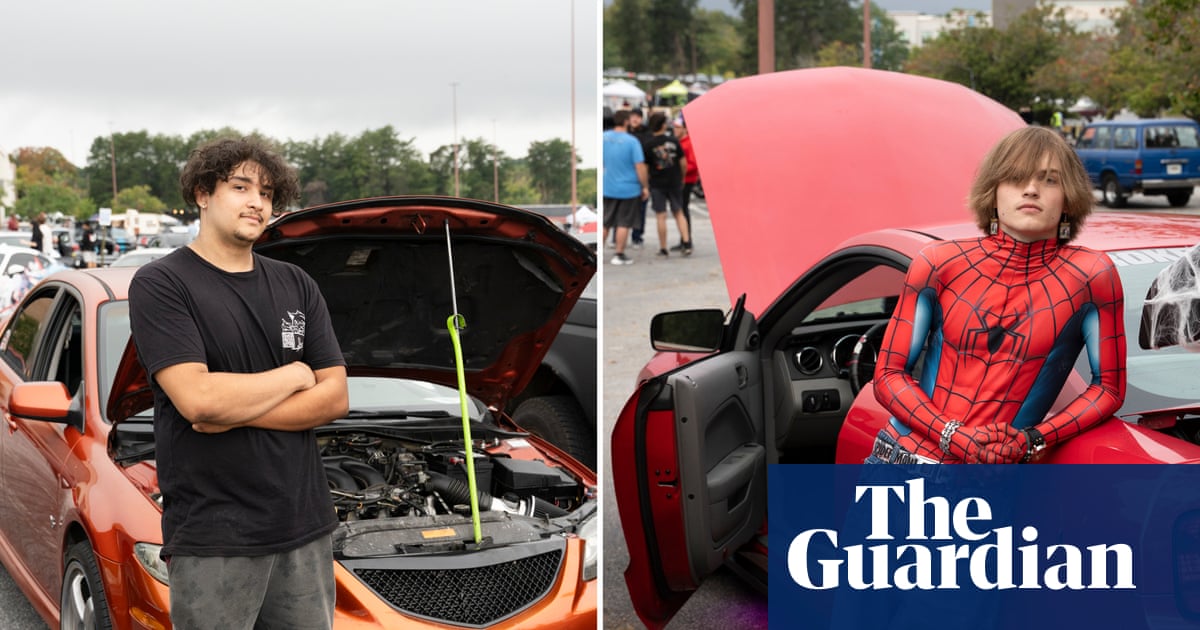
Twenty-five miles north-west of downtown Atlanta, a half hourâÂÂs drive in optimistic traffic, sits Town Center at Cobb, a typical suburban mall in recession. But on the first Sunday of every month, the mall parking comes alive for Caffeine and Octane, a sprawling car show thatâÂÂs open to the public, free to attend and also has long lines for coffee and donut trucks. And even though the usual turnout of 2,000-plus cars was winnowed down to a few hundred on the gray, showery morning of OctoberâÂÂs show, it was still an impressive array of vintage American muscle, Japanese domestic market (or JDM) unicorns and multimillion-dollar exotics. The Y2K cars stood out, too.
Sitting right at the entrance of the show was Anthony DeNaplesâÂÂs 2000 Buick Regal GS, a sleeper sedan that has become a cult classic. He bought it four months ago for $18,000 on Facebook Marketplace, a price he considered a bargain for such a rare commuter. âÂÂPerson didnâÂÂt really know what they had,â says the 37-year-old custom car builder, who uses the car to ferry his two young daughters. His oldest is constantly goading him to do burnouts, which she calls âÂÂmaking stripesâÂÂ. Modern cars, he reasons, have become so laden with safety systems â for keeping the car in lane, or slamming on the brakes when sensors detect an obstacle â that theyâÂÂre less fun to drive hard. âÂÂA lot of newer cars, if you want to drive it how itâÂÂs meant to be driven, youâÂÂve gotta shut off all these things, and a lot of times it doesnâÂÂt completely shut off.âÂÂ

A few rows down from the Buick were Mike and Kate Landaverde in his-and-hers Honda Civics from the 90s: a barebones CRX coupe called Dirty Gertrude and a slightly less spartan wagon called Tatiana. The couple bought them cheap, in keeping with the Y2K ethos. Mike, 34, treats having to bump-start the CRX and his sweat-soaked commutes in summer traffic as part of the thrill ride. âÂÂIâÂÂm smiling the whole time,â says Mike, who manages a local WendyâÂÂs. They keep a 2021 Toyota Corolla hatchback in the garage as a backstop. That carâÂÂs got AC.
When young WendyâÂÂs customers pull up to the drive-through in newer barges he assumes carry huge monthly payments, Mike canâÂÂt help feeling a bit smug. The coupleâÂÂs Hondas, however, havenâÂÂt necessarily come cheap. Kate, 39, reckons the money she has put into modifications on Tatiana alone could buy a new car. But the occasional outlays â on an engine swap, most recently â can be done at a self-directed pace. âÂÂYou can do the mods at your own wallet bracket,â says Kate, a software specialist who does her own wrenching. âÂÂYou can go eBay parts. But all my friends call me bougie because IâÂÂm not gonna do anything cheap.âÂÂ
Meanwhile, making a case for best in show was Alex Jimenez in a 2001 Volkswagen Eurovan tricked out to look like the Scooby-Doo Mystery Machine. âÂÂMy family is growing,â said Jimenez, a 32-year-old facilities manager, as his 14-year-old daughter Izel sat shotgun scrolling through her phone while a Scooby-Doo cartoon played on the aftermarket infotainment display. Beyond the extra space, he says, âÂÂwe love it because I can literally fix everything at home. I donâÂÂt need special equipment or tools or a computer to diagnose whatâÂÂs wrong with it. And it puts smiles on peopleâÂÂs faces everywhere we drive. I mean, everybodyâÂÂs taking pictures.âÂÂ

Y2K cars have their charms, sure. Barry, of Consumer Reports calls it âÂÂsurvivorship biasâ â seeing the most durable makes and models still on the road contributes to assumptions that all from the era must be rock solid. But thereâÂÂs a reason the automotive industry moved on. âÂÂIf you go back to cars in the 1990s, our road-test data and reliability surveys were showing problems that were unheard of on modern vehicles: defective paint, parts falling off; the steering wheel would be on crooked,â Barry says. Rust is another scourge of Y2K cars, though itâÂÂs less of a concern in the Sun belt. Newer models are far better protected against corrosion. âÂÂThe technology that allows a carâÂÂs body and frame to survive longer is just so much more advanced,â says Barry, adding that a modern car from a manufacturer that prioritizes reliability can reasonably be expected to last 200,000 miles or more with proper maintenance. To his point: the average car on American roads is now 13 years old.
Still, some young Y2K-car owners welcome the opportunity to get their hands dirty. Che Bidal, a 19-year-old Pit operator who also belongs to the furry community, was idling inside his 2004 Mazda6 as the rain poured on Caffeine and Octane. He takes immense pride in having bought the broken sedan for $900 and getting it running again with another $1,500 in parts and help from AI chatbots and YouTube tutorials. Having Frankensteined a Y2K car back to life, the prospect of taking on a new car payment â in this economy â only to be discouraged by the manufacturer from making his own repairs seems ridiculous. âÂÂCar companies are banks now,â says Bidal, who was further emboldened by his positive experience under the hood to start a wrenching group for furries. âÂÂComing from fandom into the [auto enthusiast] community is a whole different thing â pretty amazing.âÂÂ
Nevertheless, thereâÂÂs a critical difference between a car thatâÂÂs gratifying to restore and one that can protect you when something goes terribly wrong. Modern cars are subject to increasingly demanding safety standards, and the differences in structural reinforcements and accident-avoidance features between models just three years apart can be dramatic. Consumer Reports has long recommended that drivers prioritize safety as much as their budget allows â advice that its largely Boomer readership can more easily take aboard, naturally.

Barry went through an old-car phase too. âÂÂWhen I was driving around in my 1988 Renault Medallion, IâÂÂd see someone come across the center line as theyâÂÂre looking on their phone and think, âÂÂI would not stand a chance in an overlap collision,âÂÂâ he says. âÂÂYou might think that the older car youâÂÂre driving is a tank. Well, the car might be fine. ItâÂÂs the things inside the car, the new safety features, that help you survive.â Features like blind-spot monitoring, driver attention monitoring and electric stability control, which intervenes to maintain traction in a skid.
The US auto industry has made some effort to address young consumersâ affordability concerns. In 2021, Ford introduced the Maverick, a four-door compact pickup with an available hybrid powertrain and a starting price below $30,000. A startup called Slate, which offers an infinitely customizable electric truck with a starting price of about $25,000, hopes to begin fulfilling orders at the end of this year.
In China, buyers can get new cars with features that would seem extravagant at the same price point in the US â the payoff from decades of Chinese investment in innovation and American offshoring of manufacturing. An affordable, widely available Chinese car with modern features would give young US car buyers something truly tantalizing to consider. But Chinese automakers are in effect shut out of the US market. Even if they werenâÂÂt, Barry cautions: âÂÂWeâÂÂre still not getting one for $8,000. Think closer to $20,000. YouâÂÂre still going to have a car payment. And even if the interior is simple, itâÂÂs a different kind of simplicity than someone driving a 99 Camry is looking for.âÂÂ

Ultimately, young consumers just want cars that deliver on the industryâÂÂs fabled promise of independence â and right now, Y2K cars are meeting the brief. These days, PriceâÂÂs Pewter Pebble struggles with a leaky sunroof, and the headliner is still drooping. âÂÂItâÂÂs a Volkswagen so itâÂÂs coming back to bite me in the butt,â he says. âÂÂIâÂÂve probably had to put three grand into it this year.â But with more than 150,000 miles on the clock, itâÂÂs taken him further than even he could have imagined.
The absence of a car note helped him become a homeowner in his 20s. It softened the blow of Alex VindmanâÂÂs upset loss to Democratic socialist Angie Nixon in FloridaâÂÂs August Senate primary. Rather than scramble for another job, Price took a European vacation to decompress and plot his next move. As it happens, he spoke to the Guardian from the Spanish Pyrenees. âÂÂIf I had a car payment and I lost my job,â he says, âÂÂI wouldnâÂÂt have the flexibility to hike a mountain.âÂÂ