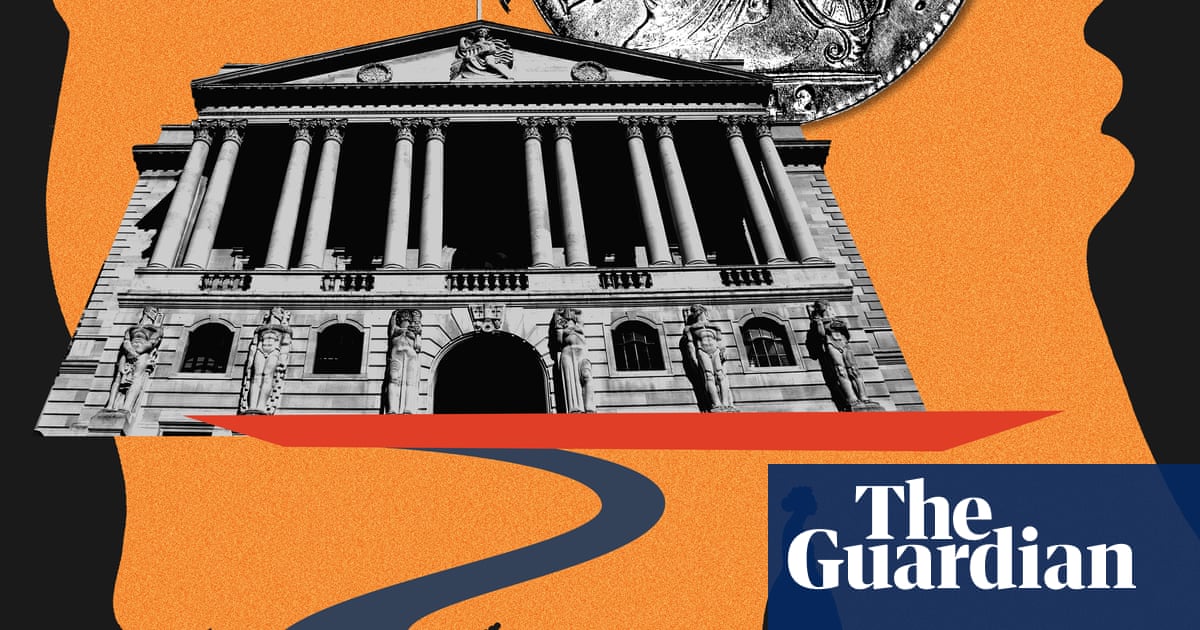

Slave-trade wealth was embedded in BritainâÂÂs financial system, research finds
Dozens of Bank of England directors and founding subscribers invested in trafficking of enslaved Africans
The Bank of England and the British financial system were for centuries deeply involved in the enslavement and transatlantic trafficking of millions of African people, according to new research on BritainâÂÂs slavery history.
Research by historians compiling the Register of British Slave Traders has found that the scale of the financial systemâÂÂs involvement in enslavement is greater than previously known or acknowledged. The Bank of England, the central bank owned by the government since nationalisation by Clement AttleeâÂÂs Labour administration in 1946, had dozens of financiers involved in its foundation who were also significant investors in the transatlantic trafficking of enslaved Africans.
Dr Michael Bennett of the University of Sheffield, who has conducted extensive research on the BankâÂÂs historical involvement in enslavement, has found that 24 directors were investors in the trafficking of enslaved African people. Four were among the London elites who were founding directors of the Bank in 1694. The other 20 were in office at Threadneedle Street over the next century.
The last, Christopher Puller, was a shipper of weapons for the slave trade and co-owner of a 1786 voyage that trafficked enslaved people from the Gambia to Jamaica, according to the register. Puller was a director for 11 years before he died in 1789. Nine of the 24 were also governors of the Bank.

Bennett also researched the founding subscribers to the Bank of England, finding that at least 30 invested in the transatlantic trafficking of enslaved Africans. At their head were the king and queen of the day, William III and Mary II, who held shares in the Royal African Company. It is clear, Bennett said, that wealth generated from the slave trade formed part of the BankâÂÂs initial capital.
âÂÂSlave traders and their wealth were firmly embedded within BritainâÂÂs, especially LondonâÂÂs, private banks and financial corporations during the 17th and 18th centuries. They shaped the development of the financial system,â he said. âÂÂBanks and other institutions, like insurers, provided the financial services that supported, and made great wealth from, the transatlantic slave economy.
âÂÂThe Bank of England supported this system throughout, and directly provided financial services to the slave trade. Its clients included the Royal African Company and the South Sea Company.âÂÂ
An archetypal example of a Bank of England director in the register is John Rudge, the MP for Evesham. He was a director of the Bank between 1699 and 1740, and governor in 1713-15. Rudge was also a shareholder and assistant (director) in the RAC and deputy governor of the South Sea Company.
The findings of the register add to the research carried out by historians behind the Legacies of British Slavery (LBS) archive at University College London, which documents owners of enslaved people on plantations. That research found that 16 past governors of the Bank of England and 26 directors had a financial interest in the ownership of enslaved people and plantations in the period before abolition in 1833. The Bank itself, and the Treasury, were centrally involved in paying out ã20m, the equivalent of ã23bn today according to one method of calculation, in âÂÂcompensationâ to enslavers under the abolition legislation. Nothing was paid to the people who had been enslaved and trafficked.

The Black Lives Matter protests of 2020 prompted several high street banks and financial institutions to acknowledge their historical involvement in slavery. Dr Nicholas Draper, who led the LBS research, was also a lead investigator for the register and he discovered many more historic slave traders who were founders of private banks and other financial organisations.
Research by Bennett after the BLM protests found that the Bank of England had owned 599 enslaved people on two plantations.
An exhibition at the Bank in 2022 included the names of the enslaved people. Most of the men, women and children listed had European names such as Pierre, Catherine and Alexandre, with no information about the country from which they were taken.
The Bank also acknowledged and apologised for past governors and directors having been involved in the slave trade.
Humphry Morice, a longtime director and governor from 1727-29, was also an MP and defrauded the Bank to fund his trafficking operations.
Morice was described by Prof Matthew David Mitchell, in an article published on the BankâÂÂs website, as âÂÂthe biggest London-based trafficker of enslaved human beings from Africa to the British colonies in America.â Morice was responsible for equipping about 110 ship voyages between 1704 and 1732, transporting more than 30,000 enslaved men women and children to Jamaica, Barbados, Virginia and elsewhere in America, Mitchell wrote. âÂÂThis was his principal commercial activity, and it is for this that he must chiefly be remembered.âÂÂ
While the Bank has acknowledged this history and apologised, the Treasury has not publicly done so. This is in line with the governmentâÂÂs position of resisting the discussion of reparations and not acknowledging culpability for the centuries of trafficking and enslaving.
BennettâÂÂs further findings will increase the pressure on the government to do so, which is building from Caribbean and African countries.
A Bank of England spokesperson said it had explored its connections to enslavement in depth in its 2022 exhibition, adding: âÂÂWe are grateful for Dr BennettâÂÂs collaboration on that work.âÂÂ
In 2023, the Scott Trust, the GuardianâÂÂs sole owner, published research showing that the founder of the Manchester Guardian and his backers profited from the enslavement of African people in Jamaica and the US. In response, the Scott Trust launched the Cotton Capital series and the Legacies of Enslavement programme, a 10-year restorative justice initiative.