PopeâÂÂs visit to Argentina sets up showdown with âÂÂhyper-capitalistâ Milei
President has opposing views on many issues, and once called LeoâÂÂs predecessor the âÂÂrepresentative of the Evil OneâÂÂ
Trees are being planted in the garden. The brightly coloured buildings are getting another coat of paint. The choir rehearses. Hundreds of other residents, several of them using wheelchairs, practise their positions outside the sanctuary. Excitement is in the air, because on Monday 9 November, the Cottolengo Don Orione â a Catholic-run home for disabled people â will be the first stop on Pope Leo XIVâÂÂs first full day of his trip to Argentina.
But the popeâÂÂs visit to Claypole, about 26km from Buenos Aires, does not come at an especially happy time for the home, which counts about 400 residents with disabilities. ArgentinaâÂÂs president, Javier Milei, has made wide-ranging cuts to disability funding.
âÂÂ[The government] cut off the supply of medications, special foods and diapers. They havenâÂÂt delivered any since last November. The matter is in court,â said the facilityâÂÂs coordinator, Fernando Montero. The pope and Milei, he said, âÂÂhave completely opposing ideologiesâÂÂ, arguing that the pope teaches that a personâÂÂs worth is not measured by whether they are productive, whereas Milei is a âÂÂhyper-capitalistâ who believes only âÂÂthose who compete the most should be rewardedâÂÂ.
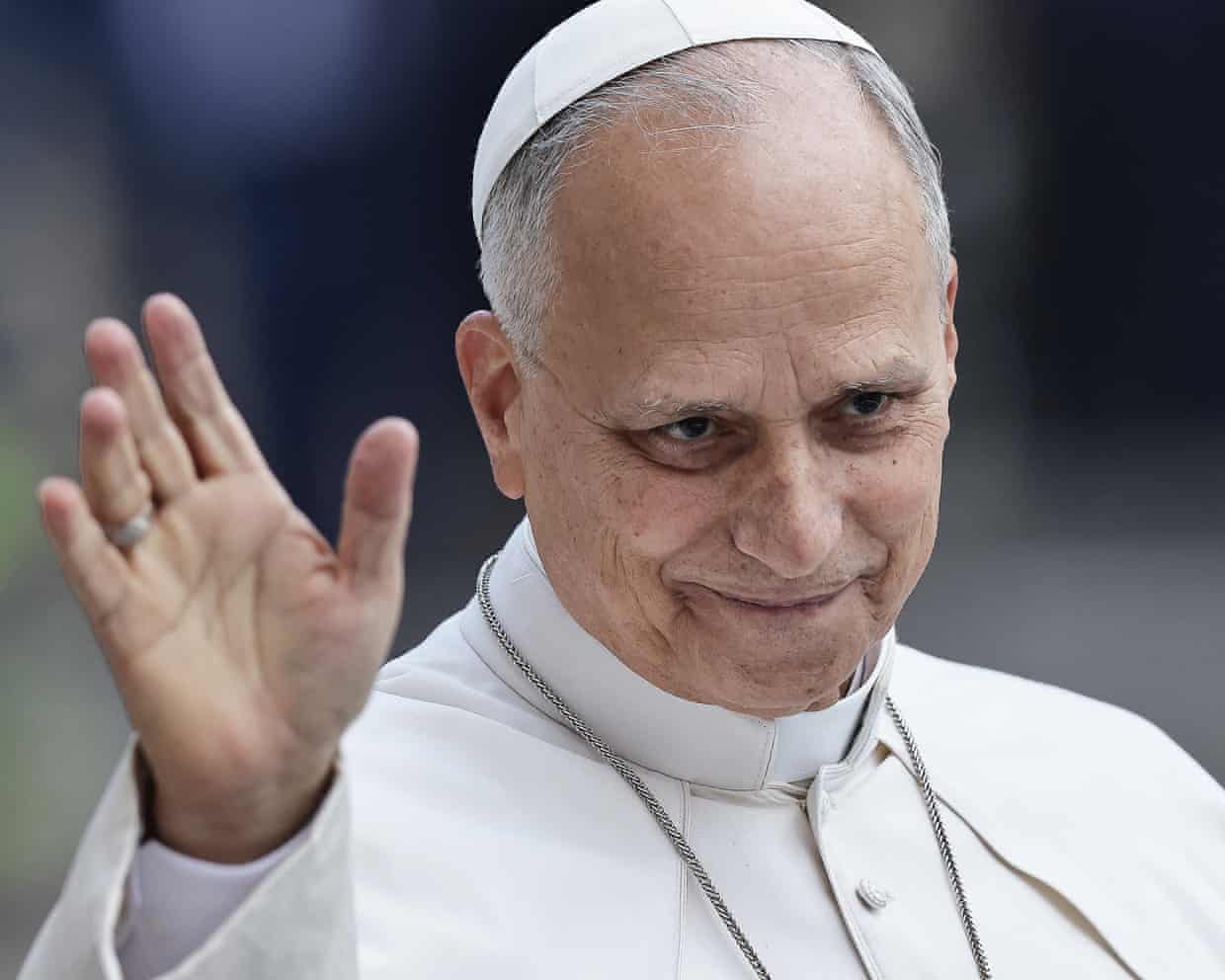
Pope LeoâÂÂs three days here â he began a three-country trip through South America in Uruguay on Friday, and will finish with six days in Peru â will be the first papal visit to Argentina since John Paul II in 1987. His predecessor, Pope Francis, who was Argentine, never returned during his papacy.
The trip could prove uncomfortable for Milei. A far-right libertarian economist who campaigned with a chainsaw as the symbol of his promised spending cuts, Milei called Francis an âÂÂimbecileâ and âÂÂthe representative of the Evil One on Earthâ in 2020, and accused him of promoting communism, saying social justice was theft. Milei claims to have apologised when he met Francis in the Vatican in February 2024.
Since taking office the previous December, he has slashed public spending, which the government says was needed to curb inflation. The cost, however, was high. The thinktank Mate estimates that retirees on the minimum pension â 63% of the total â have lost about 30% of their purchasing power. Last Wednesday at the weekly retireesâ march outside Congress, a man held up a cardboard sign reading, âÂÂSave us Pope Leo XIV â Milei is killing us.âÂÂ
Last month, Buenos Aires archbishop Jorge GarcÃÂa Cuerva said Leo XIV would find âÂÂa divided Argentina and a large number of very poor brothers and sisters.âÂÂ
But the differences between the pope and the president go beyond typical social issues. In May, Leo XIV called for âÂÂdisarmingâ artificial intelligence, while Milei has said he would not regulate AI technology and has instead presented bills to build datacentres across the country and to grant legal status to âÂÂno-human corporationsâÂÂ. Federico Sturzenegger, a minister in charge of state cuts, says he has used AI to draft legislation.
Milagros Miceli, a sociologist and computer scientist who leads the Critical AI Lab in Berlin, said the âÂÂcontradictionâ between the two is âÂÂpretty evidentâÂÂ. She welcomed LeoâÂÂs visit, celebrating how the âÂÂpowerful figureâ of the pope intends to put âÂÂhuman beings at the centre by stripping these technologies of the values that are presented to us as taking precedence over humanity.âÂÂ
Juan Grabois, a left-wing Peronist deputy and social leader who served in the VaticanâÂÂs Dicastery for Promoting Integral Human Development, said: âÂÂThe idea of absolute deregulation is at the heart of the presidentâÂÂs agenda, and the replacement of the human element with these forms of algorithmic power has clearly also become a policy priority for the government.âÂÂ
Disability funding has been a flashpoint between church and state. As Milei has clashed with Congress over a funding law that remains in limbo, ArgentinaâÂÂs conference of bishops wrote to the health minister, Mario Lugones, on 1 April, denouncing âÂÂthe serious situation facing numerous institutions dedicated to the care and support of people with disabilities in our countryâÂÂ. The ministry has met the bishops twice since, in April and again on 5 October, but without resolving the impasse.
The government is trying to downplay potential tensions. âÂÂThereâÂÂs no way the pope is going to come here to comment on local politics,â Sandra Pettovello, the minister overseeing social policy, said recently. Amnesty International, meanwhile, has written to the pope about Argentina, warning of its âÂÂconcern about government decisions that affect the exercise of fundamental rightsâÂÂ.
All of this will be top of mind when Milei receives the pope at the airport on Sunday. From the disability home, the pope will go on to Buenos Aires and meet business and union leaders; then on Tuesday he will celebrate Mass at the grounds of FAdeA, the state-owned military aircraft factory in Córdoba, whose workers have protested against MileiâÂÂs cuts. Juan Cruz Esquivel, director of Buenos Aires UniversityâÂÂs Barometer of Religions and Beliefs, says the itinerary speaks for itself.
âÂÂI donâÂÂt want to speculate [about what the pope will say], but clearly any mention of defending domestic production, labour, disability or social justice in the popeâÂÂs rhetoric naturally clashes with the ideology that MileiâÂÂs government has been promoting,â says Esquivel.
Mariano Oberlin, a Catholic priest in an impoverished neighbourhood of Córdoba, expects the clash to play out diplomatically. âÂÂPope Leo has been saying it without confronting, but he keeps upholding the churchâÂÂs social doctrine as the key axis of his ministry,â Oberlin said. âÂÂIf Milei wants to use him, heâÂÂll probably have to do a lot of juggling to make him say the opposite of what heâÂÂs been saying â and of what heâÂÂll surely say when he comes: that the Gospel invites us to feel like brothers, to respect each personâÂÂs deep, inherent dignity, and to fight so that this dignity becomes real in access to rights.âÂÂ
Since FrancisâÂÂs tenure, social movements in Latin America have come closer to the Catholic church, and Argentina is no exception. Grabois, who was part of that process, sees the relationship as a two-way exchange. âÂÂ[Francis] wasnâÂÂt the âÂÂgood priestâ who came to help the poor,â he says, arguing that the exchanges helped Francis âÂÂdevelop his social thinkingâÂÂ. âÂÂWithout the cartoneros (cardboard pickers) and the villeros (people from impoverished neighbourhoods), Francis would not have been Francis.âÂÂ
To Grabois, the same is true for Leo. âÂÂFrancis took notice of Leo because he saw him supporting the Peruvian indigenous movement.âÂÂ
That doesnâÂÂt mean all Argentine social movements support the pope. On Saturday, a day before the visit, the LGBTQIA+ community will hold the 35th Pride March in Buenos Aires. MarÃÂa Rachid from the marchâÂÂs organising committee said: âÂÂThe churchâÂÂs dogma regarding our families has not changed at any time, neither under the previous pope nor under this oneâÂÂ, though she notes that FrancisâÂÂs words on gay rights âÂÂbrought some relief to many families and their communitiesâÂÂ.
But a new development is the rise of evangelical churches, while Catholic identification falls. Buenos Aires University found 57.7% of Argentines identify as Catholic and 17.4% as evangelical, compared with 76.5% and 9% nearly 20 years ago. Last week, Milei inaugurated an evangelical temple in Neuquén and gave a nakedly political speech promising to seek re-election next year. Although Catholicism remains ArgentinaâÂÂs majority religion, it has lost its cultural hegemony and its influence on legislative agenda, Esquivel said.
Nevertheless, a majority of Argentines expect a âÂÂmessage from the pope focused on the social and humanitarian agendaâÂÂ. Grabois notes the transformative impact that first Francis and now Leo have had âÂÂwith left-leaning activistsâ in Argentina. âÂÂIâÂÂm not speaking about atheists, but outright anticlerical people. People who, 10 years ago, held views that were very, very hostile toward the church,â he said. âÂÂI even see them as more fervent [about the visit] than typical churchgoers who attend Sunday Mass.â For Grabois, âÂÂin the face of dehumanisation, ordinary people are taking refuge in the only global voice thatâÂÂs speaking out about this today â which is Francis and LeoâÂÂs.âÂÂ