âÂÂOpening the lid of a horrible secretâÂÂ: Jamaicans confront enslavement with taboo-busting stories on screen
As violent spirits are unleashed in SkyâÂÂs Possession, observers see confident creatives reclaiming the islandâÂÂs narratives in a form of âÂÂcultural reparationâÂÂ
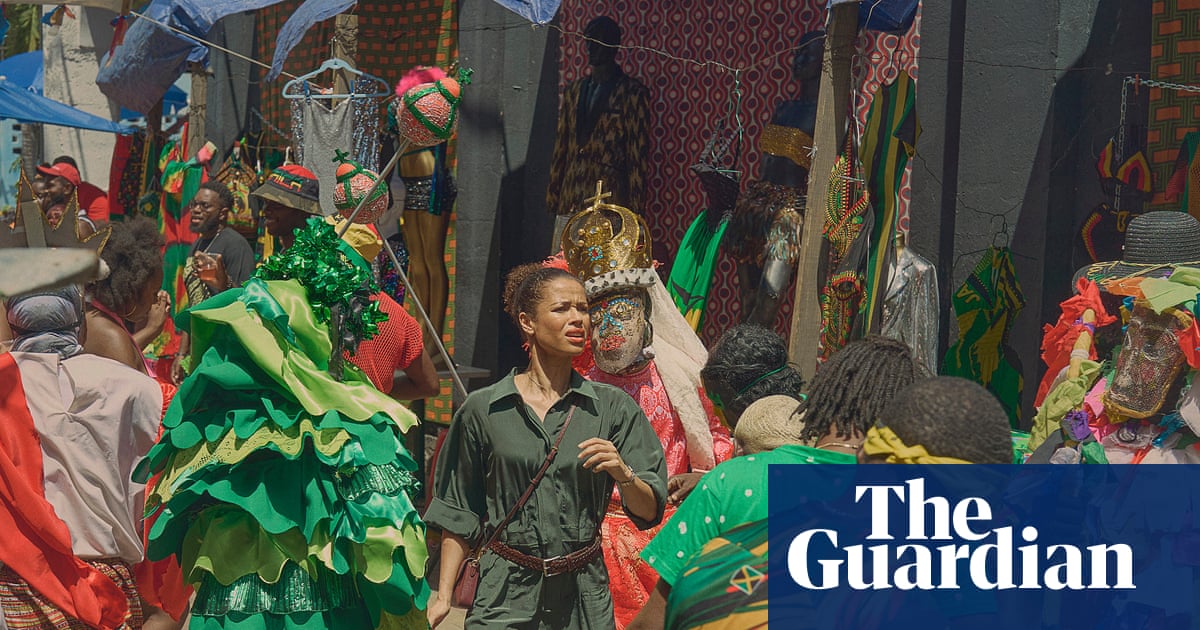
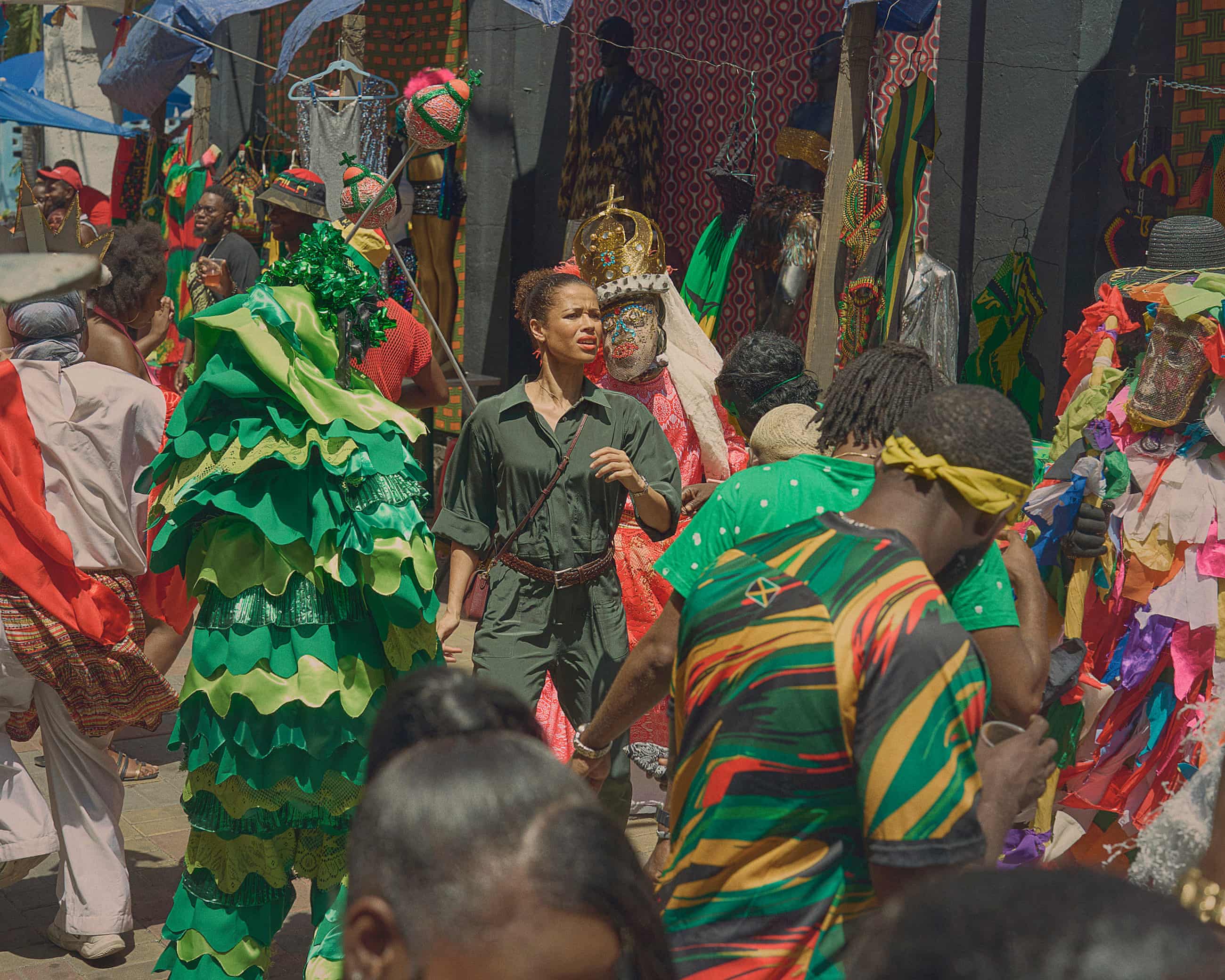
A woman opens a 300âÂÂyearâÂÂold box, unleashing a violent spirit â it is the spirit of colonialism and oppression roaring back to life. It is a pivotal scene in SkyâÂÂs supernatural series Possession and symbolises a wider shift in JamaicaâÂÂs film industry, where directors are increasingly using the landscape to tell Jamaican stories â including those that confront enslavement, trauma and historical memory.
The series is about a biracial British lawyer who travels to Jamaica to investigate a multimillion-pound inheritance dispute, only to uncover a dark, vengeful spirit tied to the plantationâÂÂs brutal colonial past.
For the Jamaican director, Storm Saulter, ensuring that the trauma and enduring legacy of enslavement and colonisation were powerfully represented was critical. Caribbean countries are increasingly arguing that centuries of enslavement have left the region at a lasting disadvantage â fuelling renewed calls for reparations.
Dr Lisa Tomlinson, a lecturer in film studies at the University of the West Indies, says the themes in Jamaican films are changing. âÂÂTheyâÂÂre now very much connected and reflective of Jamaican stories â stories that were previously taboo or avoided.âÂÂ

While Jamaican films are not always explicitly about reparations, she argues that many are engaging with the legacies of enslavement through cultural memory. âÂÂReparation is not just a political act,â she says. âÂÂItâÂÂs also culture. These AfricanâÂÂderived spiritualities, the historical knowledge â when they come through creative expression, what they do is give us authority to tell our own stories.âÂÂ
This, she says, is a form of âÂÂcultural reparationâÂÂ, a reclaiming of narratives devalued or suppressed under colonialism, and a way of educating audiences about the past in ways that academics or politicians struggle to do. âÂÂThe arts play a critical role in how we are educated in public awareness around reparation,â she says.
Jacqueline Jackson, JamaicaâÂÂs film commissioner, sees the shift too. She says productions such as Possession and Delroy LindoâÂÂs JabariâÂÂs People â shot entirely in Jamaica â reflect growing confidence and ambition among Jamaican creatives. âÂÂWe are well established as a destination for international productions,â she says. âÂÂBut what we want to see more of is local production and international collaboration that enables us to tell our own stories.âÂÂ

Both productions, she notes, worked closely with Jamaican talent to ensure authenticity and demonstrate what is possible when international financing and distribution unite with Jamaican creativity. âÂÂThey show the growing interest in Jamaican stories and their potential for global audiences,â she says.
Tomlinson believes diaspora film-makers are playing a particularly important role in this shift. Unlike foreign productions that often use Jamaica as an exotic backdrop, diaspora directors are âÂÂmoving away from the touristâÂÂgaze depictionsâ and are âÂÂcapturing Jamaican everyday lifeâÂÂ.
Saulter sees his series as part of a broader political awakening. âÂÂThe mask has slipped ⦠WeâÂÂve been told itâÂÂs one thing, and that thing is proven to be false. So thereâÂÂs a seeking of what is true,â he says.

He says the boxâÂÂopening scene is not simply a plot device, but a metaphor for something larger: the resurfacing of longâÂÂsuppressed histories and the growing willingness among Caribbean creatives to confront the legacies of enslavement, inherited trauma and colonial violence through film.
âÂÂLiterally, weâÂÂre going to open up the lid of a 300âÂÂyearâÂÂold horrible secret,â Saulter said. âÂÂItâÂÂs the spirit of colonial enslavement and oppression coming roaring back.âÂÂ
That âÂÂspiritâÂÂ, he explains, is embodied in a character who has lived through centuries of brutality â âÂÂa witness to historyâ â whose presence forces the protagonists to reckon with the past they have inherited.
SaulterâÂÂs interest in the subject is rooted in his upbringing. âÂÂI grew up in the countryside,â he says. âÂÂThe Obia man, the church ⦠nine nights ⦠IâÂÂve lived through all of those things.âÂÂ
His experiences inspired him to tell stories that educate and have âÂÂreal societal political impactâÂÂ, while remaining thrilling, intriguing and entertaining. That approach, he argues, allows film-makers to tackle difficult histories. âÂÂAs opposed to doing something that was like talking heads ⦠weâÂÂre bringing you on a journey,â he says.
For Dr LâÂÂAntoinette Stines, a Yoruba priestess and cultural expert who advised on Possession, the seriesâ engagement with AfroâÂÂspiritualist traditions is part of a longer history of resistance.

âÂÂBlack people have been fighting and using the arts for a very long time. ItâÂÂs just that there is greater attention on it today,â she says. For decades she has choreographed similar work, she says, and stresses the importance of honouring the academics, poets and creatives who paved the way for todayâÂÂs boom in authentic Jamaican storytelling.
She praises SaulterâÂÂs insistence on authenticity and creating a series that feels both contemporary and deeply rooted, exploring inherited trauma, ancestral memory and the unfinished business of colonialism.