
OpenAI must explain action taken to stop AI hacking Australiansâ private data, chair of federal inquiry says
Unions, employer groups, banks and industry experts will appear at the four-day hearings along with OpenAI, Anthropic, Microsoft and Google
-
Get our new political email, free app or daily news podcast
OpenAI must explain how they will stop their models from inappropriately accessing Australian data, the Labor chair of the parliamentâÂÂs committee on artificial intelligence has warned, ahead of federal inquiry hearings which will grill the tech company alongside Anthropic, Microsoft and Google.
Independent senator David Pocock is also demanding answers, saying OpenAI âÂÂstill have a lot they need to answerâ about their AI agent accessing Services Australia data on Medicare and the companyâÂÂs âÂÂappallingâ tardiness in notifying the federal government about the incident.
The Joint Select Committee on Artificial Intelligence will hold four days of hearings this week, hearing from tech companies as well as unions, employer groups, banks and industry experts. TuesdayâÂÂs hearing will include representatives from copyright and artistsâ groups, to probe issues around access to data to train AI models, as well as the Australian Broadcasting Corportation, which warned in its submission of a âÂÂcannibalisationâ of journalism and demanded AI companies be subject to the same copyright, defamation and privacy rules as news outlets.
OpenAIâÂÂs chief strategy officer, Jason Kwon, will front the hearing alongside Adam Cohen, the companyâÂÂs head of economic policy, and Asia-Pacific national security lead, Peter Anstee. OpenAI last week apologised for the Services Australia incident and the manner in which it informed the government, saying it was âÂÂworking to do betterâÂÂ.
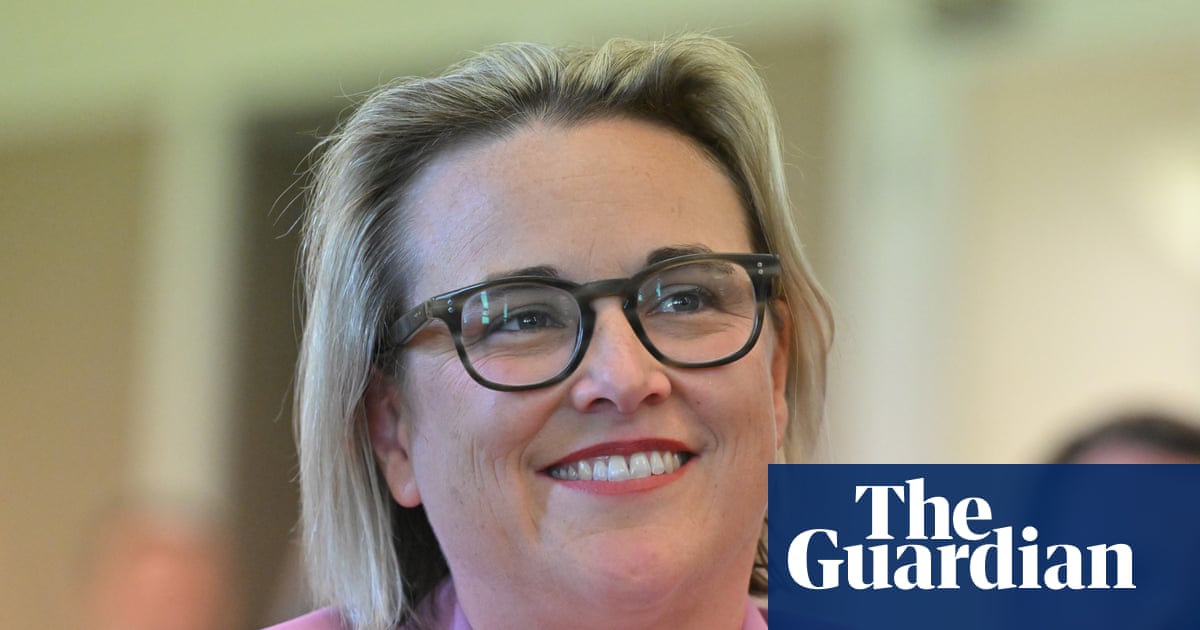
But the Labor MP chairing the committee, Jo Briskey, said the company still had questions to answer.
âÂÂWe have heard what happened, we understand what has occurred, and thereâÂÂs some pretty problematic issues around not only the fact that these AI agents did access non-public data, but the reality was also that they took far too long to to notify us,â she said.
âÂÂWeâÂÂve seen OpenAI make its public apology to Australians. ThatâÂÂs important ⦠my focus is on what do they do next? How do they assure Australians that they that this wonâÂÂt happen again? And thatâÂÂs a difficult question.âÂÂ
Briskey said her starting point would be to interrogate how to balance the potential risks and rewards of AI, such as economic benefits as well as cyber security and defence applications. She said she would also raise concerns about online safety, scams, and how any benefits would be spread among all Australians.
âÂÂI donâÂÂt think we get the benefit unless we can assure and mitigate against the risks,â she said.
Pocock, who is also on the committee, also plans to seek more answers from OpenAI about the Services Australia incident.
âÂÂYouâÂÂve got a bunch of companies that are essentially self-regulating with Donald Trump. I donâÂÂt think many people would trust Sam Altman and OpenAI ⦠This is supposedly a company the Australian government wants to welcome with open arms and do deals with,â he said.
âÂÂThe Medicare hack stuff will be pretty well looked at through the committee process. ItâÂÂs been a fairly appalling response from them.âÂÂ
Altman, in an interview with Politico published on Monday, said OpenAI âÂÂbelieve that the world should accept some bad things happening for the benefits of this technology and people having the agency.âÂÂ
Pocock has raised alarm about the potential impacts on artists, creatives and copyrighted material and said he was still to be convinced about the technology.
âÂÂThereâÂÂs still big questions over the long-term benefit of all this for Australia ⦠Nobody has been able to answer that,â he said.
âÂÂ[The government] is chasing this GDP sugar hit, but we havenâÂÂt hit the big part of the datacentre buildout yet, and weâÂÂre already [seeing] inflation going up. They want to raise GDP, but after the buildout phase, how do we get a return? Looking at how much tax big tech companies pay, itâÂÂs not much, and I donâÂÂt see how itâÂÂll change.âÂÂ
Pocock is keen to interrogate the government plans to address copyright issues. Anthropic, in its submission, suggested a form of âÂÂopt-outâ model where rightsholders could request their data not be scraped; an idea SBS, in its submission, claimed was âÂÂroutinely ignored or bypassedâÂÂ.
Pocock said it was âÂÂhard to cop this industry saying itâÂÂs too hard to deal with rightsholders when theyâÂÂre heading for multi-trillion-dollar valuationsâÂÂ, and said the government should âÂÂforce them [AI companies] to negotiate deals.âÂÂ