
OpenAI delivers a mea culpa to the Australian government in person â but answers still elude
Jason KwonâÂÂs answers were provided in a helpful, quiet and calm manner. For a company under intense scrutiny, there were no missteps
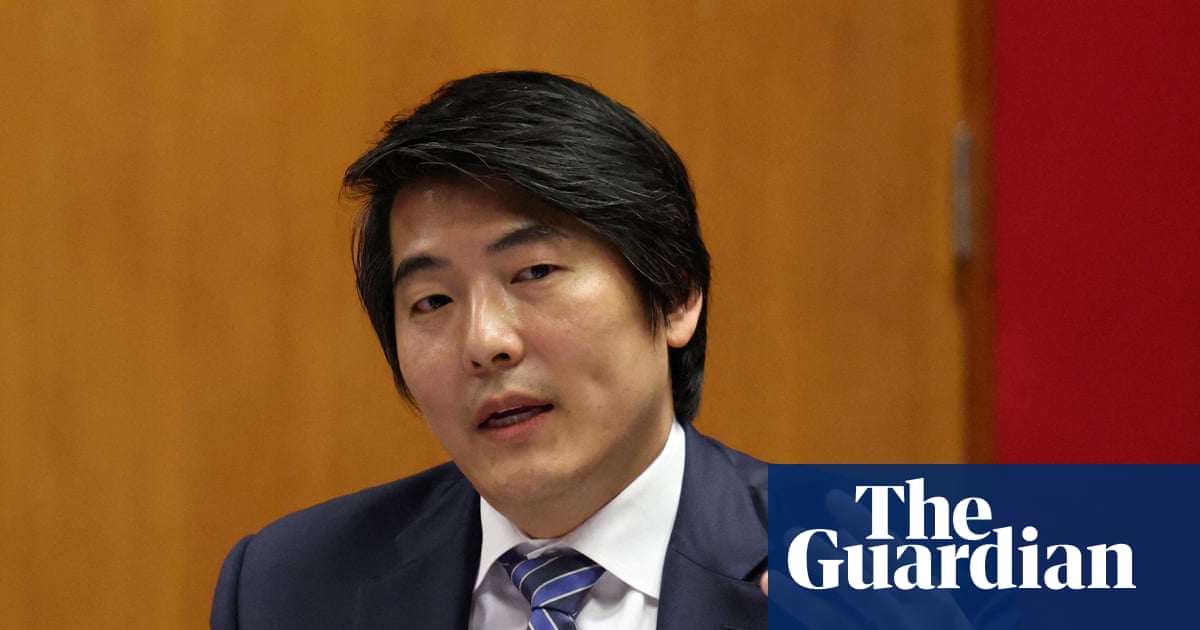
Open AIâÂÂs Jason Kwon flew 15 hours from San Francisco to Sydney to give the companyâÂÂs first in-person mea culpa after it admitted â in an unsigned email, to a public departmental inbox â that one of its AI agents had accessed a Services Australia website without authorisation and grabbed data related to Medicare.
Kwon â polite, friendly, even-toned â got through a potentially dicey committee hearing unscathed, promising to do better and pledging assistance to Australia. No missteps, no viral moments, just delivering his answers helpfully, in a quiet and calm manner, sympathising with the questioner and the point they were making.
In other words, just like ChatGPT.
Even the content of his responses evoked the AI assistant he was there to defend.
Asked by Pocock âÂÂwhy did you send an email to an arbitrary department email?â Kwon replied: âÂÂIn retrospect, we should have done what youâÂÂre suggestingâÂÂ. Asked why Altman wasnâÂÂt informed before his meeting with Marles, and why the company didnâÂÂt fess up there, Kwon said: âÂÂI agree the process by which people became aware of this incident inside our company could have been much betterâÂÂ.
One couldnâÂÂt help but be reminded of the way the chatbot responds when pulled up on a mistake: âÂÂGood catch. YouâÂÂre right to push back. My bad, that oneâÂÂs on me.âÂÂ
In KwonâÂÂs parlance, the models â built from the ground up by OpenAI, which reportedly wants to value itself at $1.4tn â âÂÂaccessed Australian government websites in ways they were not directed to.â He tried to explain that the âÂÂnoveltyâ of this incident meant the company had âÂÂlearned our lessonâÂÂ, which was that it should inform victims of such incidents much earlier, rather than waiting.
Kwon again apologised for the company only sending a casual email to the federal government disclosing that its agent had inappropriately accessed Medicare statistics, but tried to explain to TuesdayâÂÂs parliamentary hearing that it was sometimes âÂÂdifficultâ to figure how to make such notifications to a big sprawling public service.
Senator David Pocock helpfully offered: âÂÂI assume someone in your government relations team has mobile phone numbers of ministers and various people?âÂÂ
There was a similar air of post-facto contrition as Kwon â OpenAIâÂÂs chief strategy officer â could offer few answers about why the companyâÂÂs CEO, Sam Altman, didnâÂÂt inform the Australian deputy prime minister, Richard Marles, about the incident when they met face-to-face in San Francisco on 1 September. That was nine days before the company emailed Services Australia, and nearly a whole month after it first learned of the 18 June intrusion.
Kwon said Altman wasnâÂÂt aware of the incident before the Marles meeting. After todayâÂÂs committee hearing, itâÂÂs still unclear why.
ItâÂÂs a big government, and maybe Kwon is right that itâÂÂs âÂÂdifficultâ to find the right person to talk to. But some could also argue that your boss shaking hands with AustraliaâÂÂs deputy prime minister would be something of a useful window.
At least, we learned, he said the company didnâÂÂt use AI to write the infamous email. Small blessings that they managed to ask a human to write the email â even if it went to an obscure inbox.
But with Australia actually striving to become a tech capital for datacentres and AI â as the revolving door of big tech companies told the inquiry, from Anthropic to Microsoft and Google â then setting the basic rules of the road for these firms, about how they must act and respond to this country and its government, is critical.
Kwon said OpenAI was committed to providing future notifications âÂÂvery quicklyâÂÂ, and that there were no further incidents they were aware of. But he casually dropped in one staggering fact: OpenAI was still trawling through the activity logs for the agents involved in the Services Australia breach, with those logs totalling 50 petabytes of data.
A petabyte is 1,000 terabytes, or 1 million gigabytes.
Kwon made the mind-boggling claim that it would take a human 66m years â never sleeping, never resting â to go through that data by hand.
The team tasked with checking Services AustraliaâÂÂs email inboxes must be hoping there arenâÂÂt any more dramas lurking in there.