

Novelist accused of using AI to write book removed from French prize list
Thélyson Orélien had been in the running to win a top literary prize before the AI claim emerged on social media
The organisers of FranceâÂÂs most prestigious literary prize said they had removed a critically acclaimed novel by a Canadian-Haitian writer from the longlist after an anonymous online account claimed the book was âÂÂalmost entirelyâ written by AI.
The Académie Goncourt, a Paris-based literary organisation, said on Friday its decision to withdraw Thélyson OrélienâÂÂs novel CâÂÂétait ça ou mourir (It Was That or Die) was âÂÂdriven by the desire to preserve the integrity of the Goncourt prize and the academy itself, whose central role is to promote and honour literature written by women and menâÂÂ.
The Haiti-born authorâÂÂs book is a lyrical first-person account of how a history and geography teacher flees a home country mired in gang violence and embarks on a perilous journey across 12 countries before finding a haven in Canada.
Published in France by Grasset in August, it has sold about 35,000 copies and won the Prix du roman Fnac, with translation rights sold to more than 20 countries.
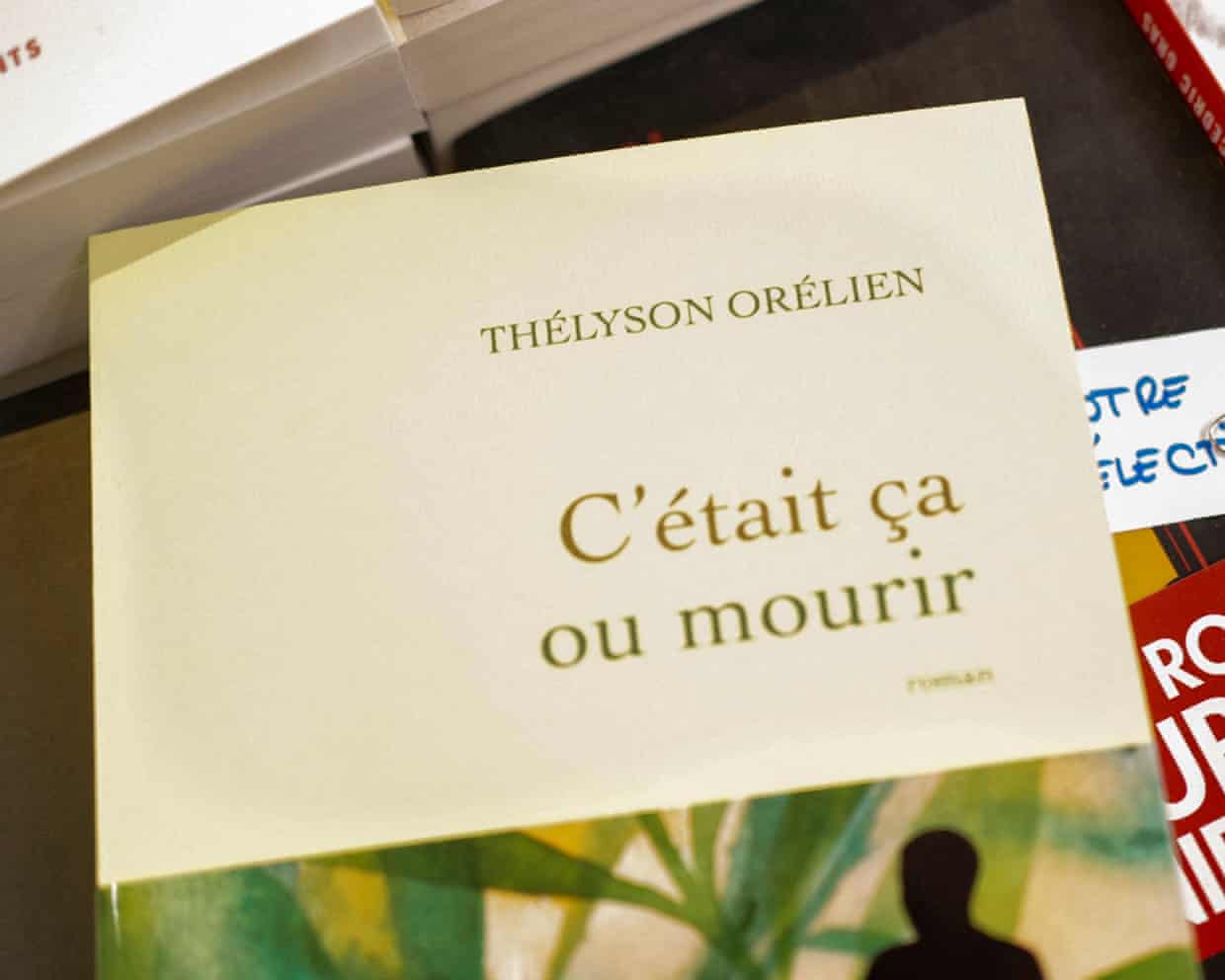
Allegations that the book was written using AI emerged on X on 21 September, the same day It Was That or Die won the Fnac prize for best novel.
An anonymous account called Balance ton Claude â a reference to AnthropicâÂÂs AI agent â said it had fed the novel into the AI detection software Pangram and found it to be âÂÂalmost entirelyâ written by artificial intelligence.
Questions have been raised over PangramâÂÂs accuracy, and French media outlets have found other AI detection programmes that identified It Was That or Die as very probably written by a human.
Orélien, 38, has denied the allegation, saying it was racially motivated. âÂÂIâÂÂve always loved creating and writing,â he said. âÂÂI donâÂÂt see why I would use a machine.âÂÂ
He told the newspaper Libération that he used traditional language and rhythms that were Haitian and Caribbean. âÂÂThe imagery, repetition and rhythm are a living language, they are mine.âÂÂ
The author of the anonymous X account was later identified on the pages of the centre-right newspaper Le Figaro as one of its own columnists, Samuel Fitoussi, the author of an essay against âÂÂwokeismâ on film and TV.
On his own X account, Fitoussi said he had initiated his campaign because even though he was âÂÂtechno-optimisticâÂÂ, he feared that âÂÂAI will cause the disappearance of reading and writingâÂÂ.
On Wednesday Philippe Claudel, the Académie GoncourtâÂÂs president, had urged caution over the allegations. But separate accusations of plagiarism against Orélien published in French media appeared to have caused a change of heart.
Libération alleged in an article that the author plagiarised an award-winning short story from the preface of the French journalist Louis Pauwelsâ book The Morning of the Magicians, originally published in 1960.
In its statement the academy referred to the âÂÂplagiarisms of which its author has been guilty over time and which have just been revealed, as well as the convergent result of several analyses by trustworthy researchers and journalists highlighting the fact that [the book] is in all likelihood very largely the product of artificial intelligenceâÂÂ.
âÂÂThe aim is to send a clear message,â it added, âÂÂto affirm that we neither endorse nor condone in any way the creation of texts generated with the help of AI.âÂÂ
In a statement shared with the Guardian, the novelâÂÂs original publisher, Le ÃÂditions du Boréal, said: âÂÂUnfortunately, at this stage, we are unable to confirm or deny the allegations the author is facing.âÂÂ
The Canada-based publisher said it was important not tojump to conclusions, adding: âÂÂWithout credible, concrete evidence, it is not our place to decide whether this book has a right to exist.âÂÂ
Boréal said it was âÂÂconcernedâ about the newer plagiarism allegations, but added it was important to remember there was a real person behind the book. âÂÂWe unequivocally condemn the hateful messages and personal attacks of recent days, and we urge everyone to show restraint,â it said.
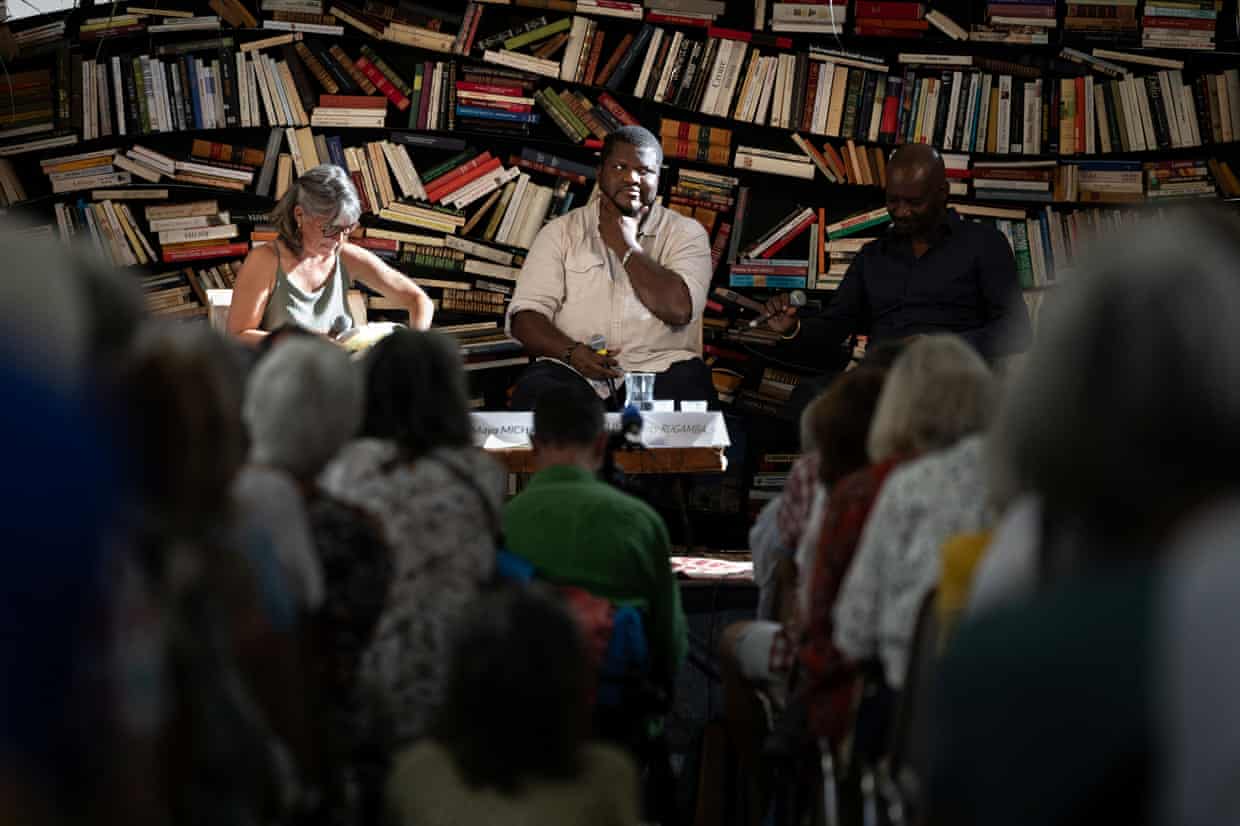
Orélien has said he will not comment further on the latest allegations. Speaking on Thursday at Les Correspondances literary festival in Manosque, southern France, he said: âÂÂThereâÂÂs this desire not only to attack the book, but especially my voice ⦠to silence me,â adding that he would therefore âÂÂtake a step back and wait until things have calmed downâÂÂ.
The Académie Goncourt will publish its shortlist on 6 October and announce the winner of the prize on 4 November.