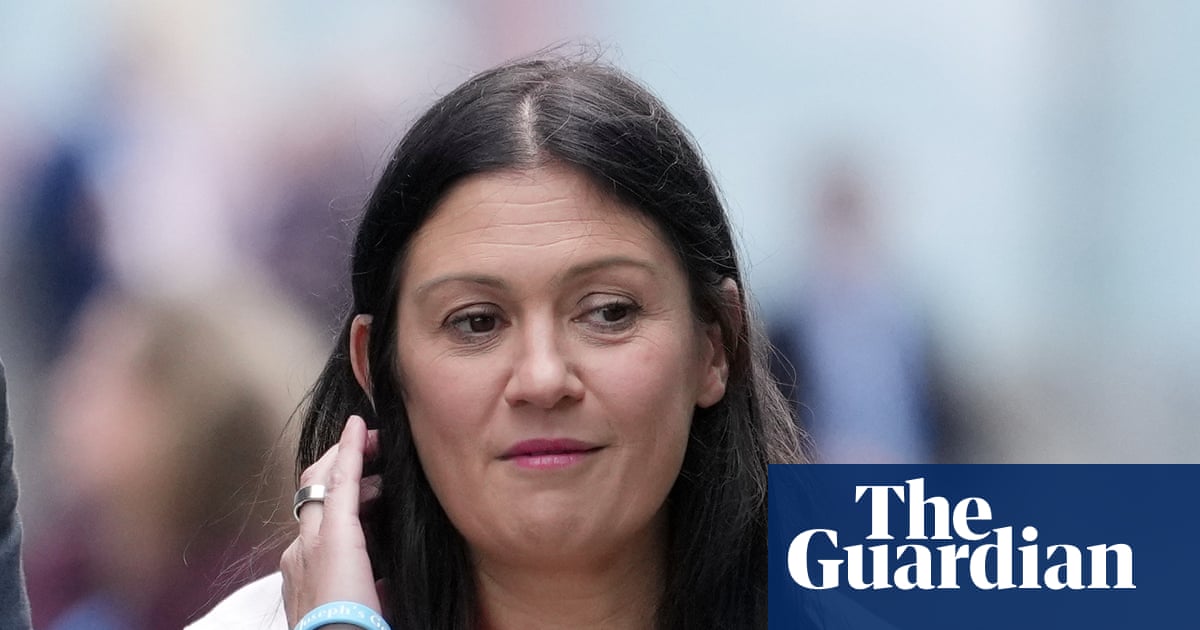

Nandy says childrenâÂÂs social media ban only âÂÂstaging postâ in online safety drive
Exclusive: Culture secretary says UK will crack down further and be âÂÂpioneer of tech as a force for goodâÂÂ
Lisa Nandy has warned technology firms that the governmentâÂÂs online safety crackdown is not finished, saying that banning under-16s from social media platforms is only a âÂÂstaging postâÂÂ.
Earlier this year the government announced that teenagers under the age of 16 would be banned from accessing âÂÂhigh-riskâ social media apps, while safer platforms would be subjected to restrictions.
The changes, including restrictions for 16- and 17-year-olds on websites that allow infinite scrolling and algorithmic content, which can push harmful material into feeds, as well as tighter age-verification checks, will come into effect in March..
Nandy has now vowed to go further. âÂÂWe shouldnâÂÂt accept that this is the end,â the culture secretary said before her speech at the Labour party conference, which will be introduced by Georgia Harrison, a campaigner against image-based sexual abuse. âÂÂThis is a staging post to what must be a very active interventionist state, policing and regulating the online space so that people are safe.âÂÂ
She said the UK would be âÂÂpioneers of tech as a force for goodâ and would promote online spaces that were âÂÂgenuinely safe, inclusive and empoweringâÂÂ.
She praised the former prime minister Keir Starmer and the former technology secretary Liz Kendall for announcing the ban in June. But she felt there had been a âÂÂstep changeâ in the governmentâÂÂs approach since Andy Burnham became prime minister in July and handed her the online safety brief.
Comparing social media to real-world civic spaces, she said: âÂÂIf we were in a situation where we were saying our town centres are now so unsafe that weâÂÂve decided that every child is going to have to stay in their bedrooms, people would rightly be up in arms.
âÂÂHow have we got to a point where weâÂÂre saying these social media sites are so harmful and dangerous that we cannot conceive of any way of protecting our children except to remove them altogether? This ends now.âÂÂ
A consultation on the ban, which will apply to apps such as TikTok, Snapchat, YouTube and Instagram, attracted more than 116,000 responses, with 85% of parents thinking the risk of social media outweighed any benefit.
Nandy said she had told families bereaved as a result of teenagers experiencing online harm: âÂÂI want you to understand that that era ends today, and we start a new chapter where we have an active and empowering state that shapes those civic spaces so that they work for us.âÂÂ
The MP for Wigan said the government had already shown a willingness to take on the big tech companies â and risk disapproval from US authorities â with plans to hand established broadcasters and media companies greater prominence on digital platforms such as YouTube and TikTok. âÂÂThat is a difference of opinion with the US administration, but we do reserve the right to take a different approach,â she said.
While new technologies had always âÂÂupended societyâÂÂ, the internet was the only one to have been âÂÂentirely outsourced to the private sectorâ with no role for the state, Nandy said. âÂÂItâÂÂs not acceptable to outsource this to [the X owner, Elon] Musk or anybody else,â she said.
In one of her first moves on online safety, Nandy ordered technology companies to her office, and she said she was âÂÂnot surprised, but appalledâ that representatives from X failed to attend.
She acknowledged âÂÂthere really is a problemâ with OfcomâÂÂs ability to enforce regulations and make firms adhere to the Online Safety Act. âÂÂLaws are only as good as the ability to enforce them,â she said.
Nandy has welcomed a suggestion from the BBC director general, Matt Brittin, that a âÂÂpublic service algorithmâ could compete with big tech, which she felt fitted âÂÂwith [BurnhamâÂÂs] vision about the UK being a world leader in tech as a force for goodâÂÂ.
âÂÂIn order to do that, youâÂÂve got to be in the game, investing [and] shaping the technology,â she added. âÂÂBut I think to win the permission of the public to do that, theyâÂÂve got to hear from us loud and clear that we will take action to protect people, particularly children, right now.âÂÂ