
Money-making Nations Championship project carries a cost for fans and players
New tournament is designed to provide a context that was apparently lacking in the legendary clashes of the past
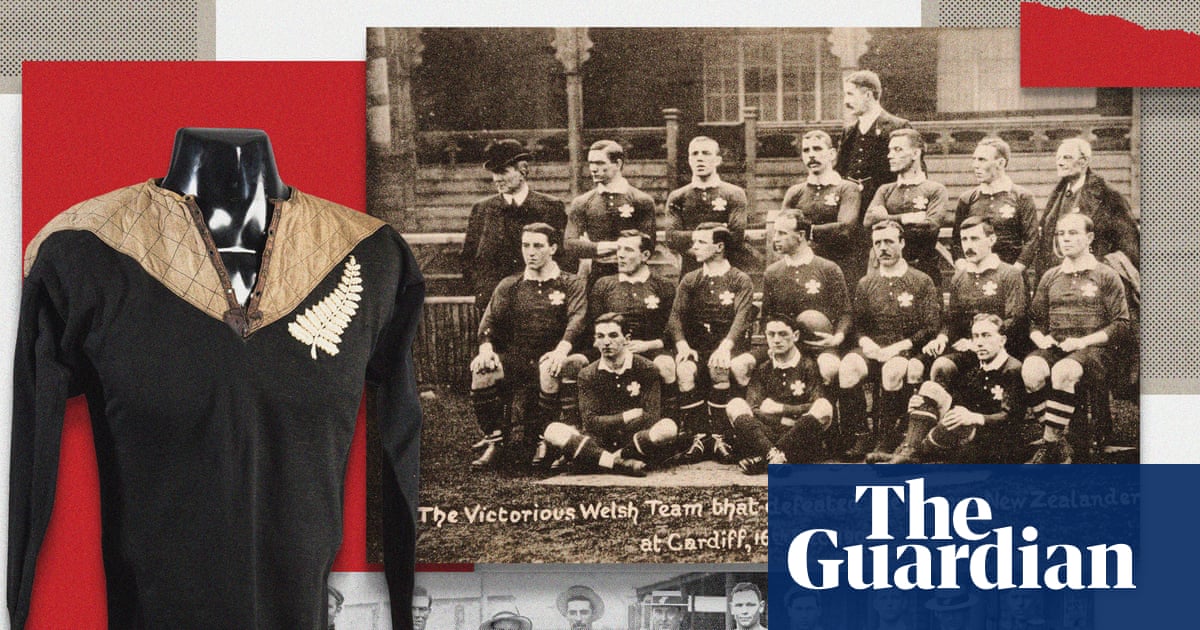
It was a loose kick, tumbling aimlessly end over end into the All Blacksâ half. Their wing Billy Wallace gathered it and sprinted into midfield, through a gap and on into the Welsh half, only their full-back ahead of him now, and with his teammate Bob Deans in the corner of his eye, coming on the inside calling for the ball. Wallace gave the pass and Deans was away, making straight for the posts, tackled at the last moment by Rhys Gabe, and the two of them went sliding for the tryâÂÂline together. The ball finished in the tips of DeansâÂÂs fingers, at the end of his outstretched arm.
Over the line? On the line? Inches away from the line?
No one knows. The referee John Dewar Dallas insisted that Deans never made it. The match finished 3-0 to Wales: the All Blacksâ solitary defeat in 35 games on their 1905 autumn tour of Europe. Lloyd Jones wrote a great novel about that tour, Carl Nixon turned it into a successful play, Nigel Wray paid ã180,000 for the jersey the All Blacks captain Dave Gallaher wore on the day. You can still buy a DVD of a âÂÂdramatic reconstructionâ of the match, and a century later two Kiwi journalists published a book offering what they considered new, definitive proof about what happened.
Some 121 years later, if you ever want to start an argument, you can walk into the backroom of any Welsh rugby pub and tell the first old boy at the bar that of course Deans scored. Or walk into any Kiwi rugby club bar and say youâÂÂre sure he never did.
There are no autumn tours this year. Instead we have the conclusion of the new Nations Championship, starting in Dublin when Ireland play Argentina on Friday night. ItâÂÂs a tournament designed to provide a context that was apparently lacking in that legendary match between Wales and New Zealand.
Over the next three weekends France, Ireland and Italy all have matches against Argentina, Fiji and South Africa. England, Scotland and Wales play Australia, Japan, and New Zealand, and at the end there are six games in three days across a long weekend at Twickenham, sixth place in the northern group against sixth in the southern, and so on, all the way until the top two teams play each other at tea-time on Sunday. The âÂÂHemisphere Shieldâ will be awarded to whoever comes out top in what is being described as a âÂÂRyder Cup styleâ competition.
It took the sport the best part of a decade to cobble this competition together. World Rugby first suggested it in 2018, but it took the massive debts left by the Covid pandemic to concentrate minds and get the Six Nations, Sanzaar and all their respective private investors to collaborate on making it happen. After all that time they have ended up with a competition that brings to mind the old line about a camel being a horse designed by committee. God knows the game needs the money, but you have to ask if the organisers needed to give away so much of what people love about the sport to get it.

The Nations Championship has been designed with commercial returns in mind. It is a tournament that seems to have been made almost entirely made for TV. Which is why there are so many compromises. The integrity of the competition wasnâÂÂt high on the priorities list, which is why Fiji played their âÂÂhomeâ games against Wales in Cardiff, England in Liverpool, and Scotland at Murrayfield in the summer, and Japan were made to stage their own match against Ireland in Australia, to save their opponents an extra trip after a fixture against the Wallabies. Player welfare doesnâÂÂt seem to have played much of a part in anyoneâÂÂs thinking either, so England found themselves flying 25,000 miles to play three fixtures in three weeks on three different continents.
Nor did spectator experience: the whole thing seems to have been designed to deter travelling fans, and risk gate revenue, since the organisers now have to find a way to sell half a million tickets for six fixtures where it wonâÂÂt be clear who is playing when until six days before kick-off, something theyâÂÂve done by offering âÂÂsupport your teamâ tickets that guarantee you a seat at a match you actually want to watch, regardless of when itâÂÂs played. ItâÂÂs a small mercy that the deal with Qatar has just fallen through so at least weâÂÂve been spared the second edition being staged in the Gulf.
It will work. WeâÂÂll all watch. If you love rugby the chances are you were going to tune in for these games anyway. France v South Africa in Paris on a Friday night, England v Australia at Twickenham on a cold autumn afternoon, Scotland v New Zealand on a Saturday at Murrayfield: the truth is these matches donâÂÂt need selling, their significance has nothing to do with a competition structure that has been cooked up in the commercial department. ItâÂÂs enough to make you wonder if the people who sell the sport even really understand why people buy it in the first place.