
Microsoft proposes limits on its AI with code of conduct amid safety debate
Firm publishes AI guidelines with Microsoft AI CEO saying: âÂÂAI must be subordinate and always in service of peopleâÂÂ
Microsoft published a provisional âÂÂcode of conductâ Monday to apply to the training of new artificial intelligence models, taking a step towards limiting the capabilities of the companyâÂÂs AI as anxiety rises over the prospect that technology companies could lose control of AI products.
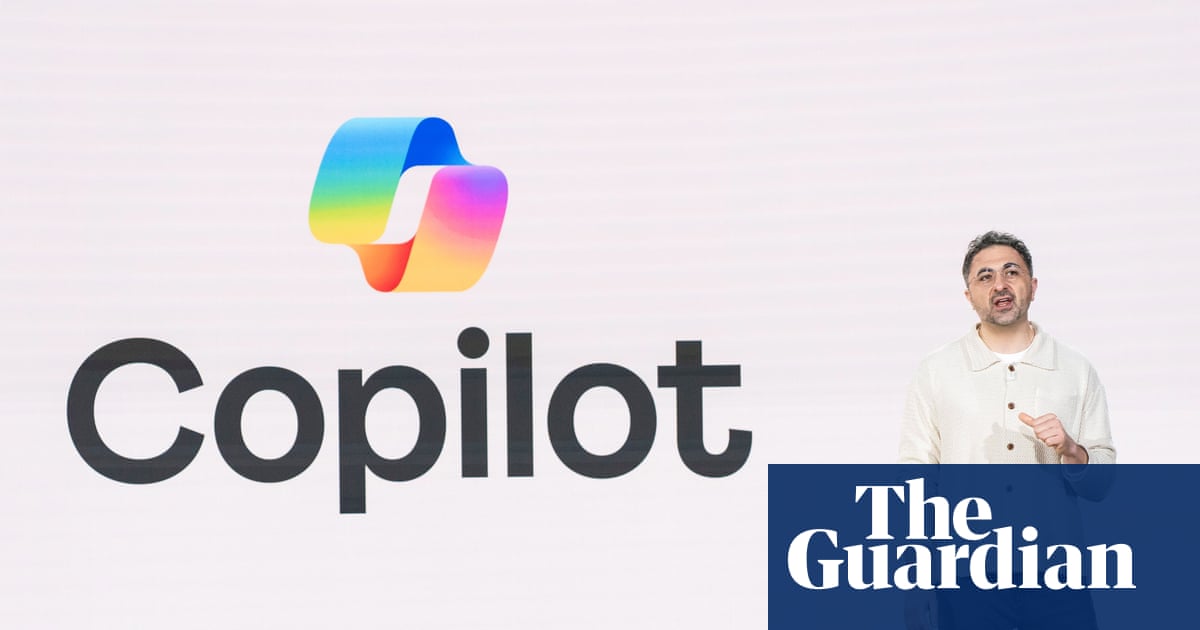
Mustafa Suleyman, the CEO of Microsoft AI, published the code on social media early Monday, writing: âÂÂAI must be subordinate and always in service of people.
âÂÂThe fears about possible loss of control are real,â he wrote.
A parallel post on the companyâÂÂs website said: âÂÂThe purpose of technology is to serve humanity and accelerate human flourishing. Any technology that doesnâÂÂt achieve that is a failure, and it should be rejected. That is the starting point of our approach at Microsoft AI, where weâÂÂre building towards Humanist AI, one that is subordinate, aligned, and contained.âÂÂ
Under the code of conduct, MicrosoftâÂÂs AI models must not consider requests related to weapons development, produce violent or sexually explicit content or help with the procurement of dangerous substances. AI models also should not be built to imitate consciousness and shouldnâÂÂt be entitled to rights.
Suleyman said the published guidelines were for public consultation. He called the need for a code âÂÂurgentâ and said the last few months have been âÂÂa watershed momentâÂÂ.
âÂÂThings we have worried about for a long time in theory have become very real,â Suleyman added, and referred to the recent breakout of OpenAI bots that had infested AI company Hugging Face without apparent direction. âÂÂâÂÂSwarmsâ of agents breaking out of their sandboxes. Unauthorized hacks of enterprise grade systems. Agents modifying their own logs. IâÂÂm glad that a consensus is forming.âÂÂ
The executive on Monday told CNBC that Microsoft had been working for months on the new guidance. Satya Nadella, MicrosoftâÂÂs CEO, wrote on X ahead of the announcement: âÂÂIf the AI we build is not helping humanity and under human control, itâÂÂs not worth pursuing.âÂÂ
The issue of AI security flared up on Saturday when Dario Amodei, CEO of Anthropic, issued an appeal for the AI industry to âÂÂslow downâ and offered a three-part plan for doing so, saying that his company would âÂÂunilaterallyâ commit to the first of the steps.
In a post on social media, Amodei shared a link to an essay titled We Must Pace the Frontier in which he laid out how Anthropic would provide âÂÂthird-party evaluators with permanent, employee-level access to our systems, so that they can verify adherence to our safety measures, report on incidents, and assess modelsâ alignment during trainingâÂÂ.
The move came after a former Anthropic researcher warned last week that AI could precipitate human extinction by 2030. Researcher Jacob Coxon said in a series of posts that he had quit his job because Anthropic and his previous employer, OpenAI, were ignoring or mishandling their response to the threat AI posed.
Earlier, Sam Altman, OpenAIâÂÂs CEO, said the dizzying pace of progress could go âÂÂvery badlyâ and that humans could lose âÂÂcontrol of the future to AIâÂÂ.
âÂÂWe welcome a federal framework that sets consistent safety requirements for frontier AI,â Altman said in a social media post. âÂÂNo amount of American competitive pressure should justify recklessness,â he said. Elon Musk is backing the calls for AI caution.
But the calls have also raised skepticism around âÂÂthird-partyâ monitoring and international cooperation, particularly with China.
âÂÂMy concern is that the biggest labs could end up writing rules that protect their own position. If the cost of meeting those standards is so high that only the best-funded companies can afford it,â said Oliver Yonchev, co-founder and COO of Potentially AI.
Slowing the AI frontier, he added, âÂÂmay be sensible in principle, but IâÂÂm sceptical it will work without global cooperation and credible verification. Otherwise, we risk a slowdown in public announcements while the race continues behind closed doors.âÂÂ