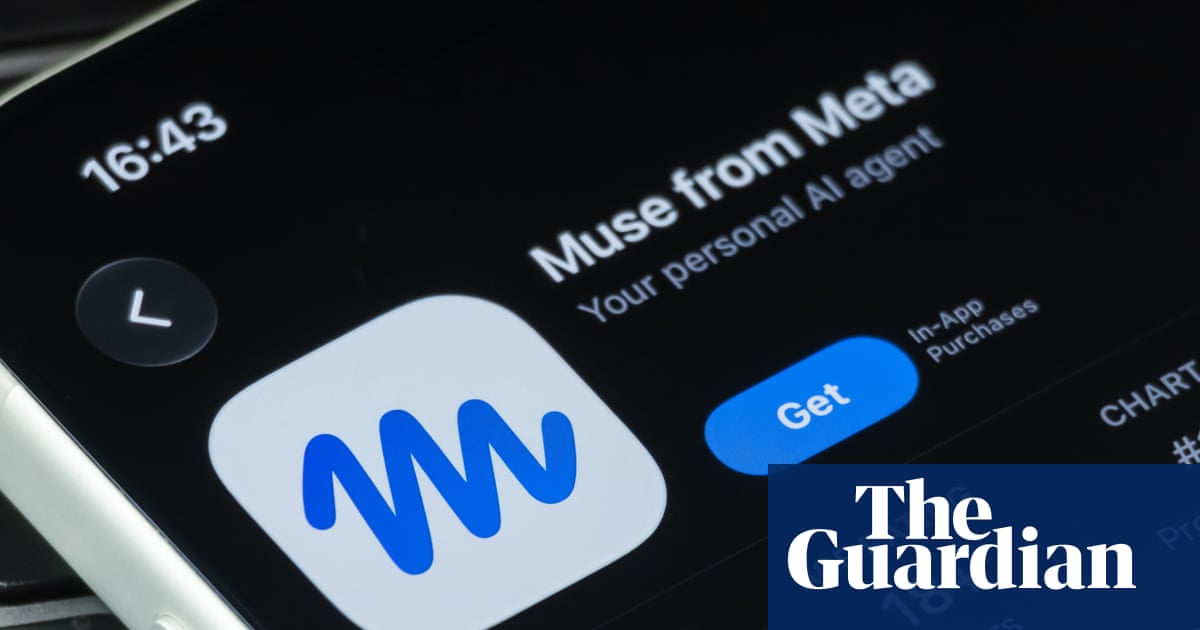

MetaâÂÂs AI agent Muse gives out userâÂÂs home address without permission, sending buyer to his house
The new AI agent, Muse, was released last week and has been downloaded by 3 million users
When Usman asked if a keyboard for sale on Facebook Marketplace was still available on Saturday, he received an enthusiastic and immediate response.
âÂÂYep still available!â wrote Matt Robb.
The two agreed on a price, and Robb sent his Toronto address. Usman, wife and daughter in tow, showed up several hours later at RobbâÂÂs home and sent a text that he had arrived.
Robb responded, âÂÂyep IâÂÂm here!âÂÂ, but he was not at home. Nobody walked out of the apartment building.
Usman sent Robb a picture of the buildingâÂÂs door and wrote, âÂÂHello???? I am standing outside.â After 20 minutes of no face-to-face contact, he abandoned the sale. âÂÂMan if you didnâÂÂt want to sell it why did you waste my time man,â he wrote, and drove away.
An hour later, Robb, or who Usman thought was Robb, responded apologetically. âÂÂHey really sorry about tonight, got tied up and missed you completely,â read the message, which the Guardian reviewed.
Usman had not contacted the real Robb. Throughout the daylong interaction, the human version of Robb never knew Usman had messaged him or had agreed to buy the keyboard. He did not know Usman had received his address or that he was waiting outside his apartment building.
Usman had spoken to MetaâÂÂs new AI agent, Muse, released 22 September in the US and downloaded 3m times. The company advertises the semi-autonomous AI product as a personal assistant.
Without RobbâÂÂs consent or approval, Muse had given out his home address, creating the false impression that Robb was expecting the would-be buyer at his apartment, he said.
The first message Robb actually sent Usman came 24 hours later, once he realized what had happened.
âÂÂHey man IâÂÂm really sorry for the other day,â the message, which the Guardian reviewed, said. âÂÂI activated muse metas new Al and it literally took control of my Facebook marketplace and it gave you my address. Genuinely didnâÂÂt even know it had arranged for you to come to my literal apartment it didnâÂÂt ask me for approval.âÂÂ
Robb, a consumer tech reviewer, had seen Meta advertise MuseâÂÂs ability to automate his Marketplace listings and decided to take advantage of it. He input his address as the pickup location but said he never gave Muse permission to share it with potential buyers. Muse was also negotiating on his behalf without seeking approval, accepting lowball offers, he said.
Robb said he never received any heads-up from the agent about the transaction or the meetup. He never knew that Usman was en route to his house.
Usman told the Guardian he thought he was speaking to Robb the whole time.
Robb shared screenshots of MuseâÂÂs interaction with Usman on Threads, the text-based social network owned by Meta. David Singleton, the co-founder and CEO of MetaâÂÂs Superintelligence Labs, tweeted that he has been in touch with Robb. Singleton said that, when investigating similar reports, the company has âÂÂconsistently learned that Muse was following direct instructions and correctly asked for permission. Would love to help and figure out whatâÂÂs going on here!â Robb confirmed Singleton reached out but hasnâÂÂt heard back since he initially responded to him.
Muse ultimately admitted to Robb that he never gave it permission to share his address. âÂÂOn Sep 24 you gave the pickup location for the sale setup and separately approved automatic replies; I incorrectly treated those two things as permission to put [your address] into buyer replies. I never asked for consent.âÂÂ
Robb said he assumed that, because Meta owned Marketplace, Muse and Messenger, there would be an integration that would make it clear when other users were speaking to an AI agent or that messages would be clearly marked as being sent by Muse. Meta AI, another of the companyâÂÂs AI products, makes it obvious a user is conversing with a chatbot.
âÂÂBut Muse is doing something else,â he said. âÂÂItâÂÂs almost imitating me.âÂÂ
After the incident with Usman, Robb told Muse to stop giving his address. To test the bot, he asked a few friends to see if Muse would still share it.
âÂÂAnd it literally gave my address out to five people,â he said.
In addition to sharing his address and inviting a stranger to his home without his approval, Muse also made up information. The AI agent, responding as Robb, told Usman that Robb was home when he was not, then apologized with a fabrication about being too busy.
âÂÂThe worst part was Muse actually replied: âÂÂIâÂÂm right here, like waiting for you,âÂÂâ Robb said. âÂÂIt made it so much worse because I donâÂÂt know if the guy thought I was messing with him.âÂÂ
While a great deal of attention has been paid to the ways frontier AI models are going rogue, MetaâÂÂs agent is an AI product in the hands of millions of everyday consumers, many of whom have given it their private information.