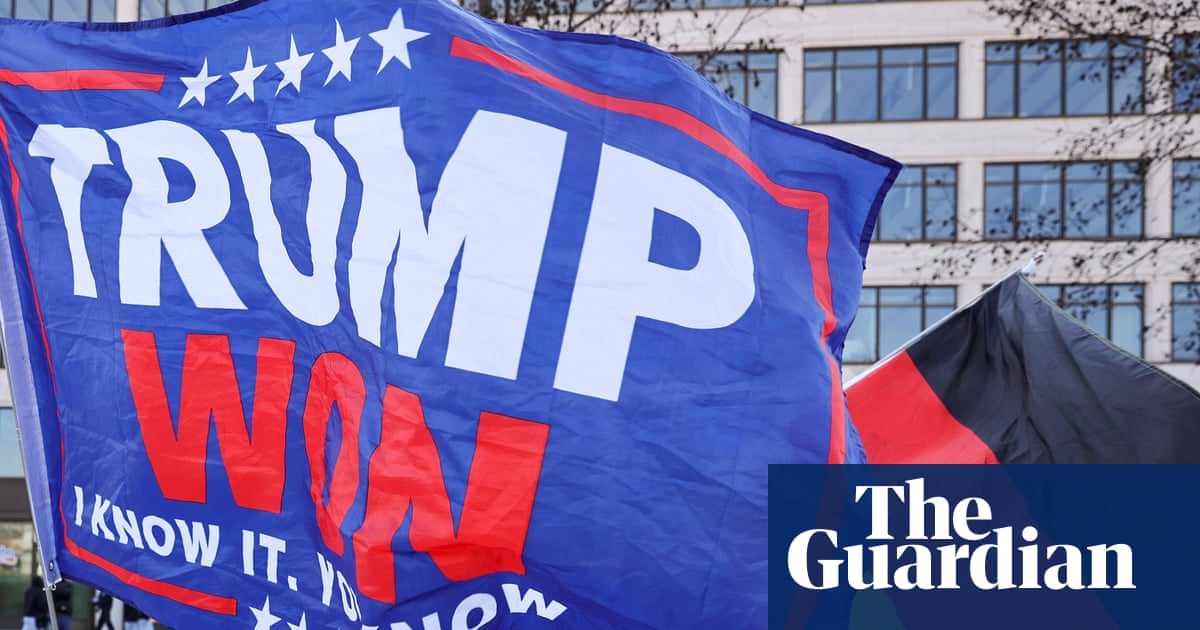

Exclusive: Leaked trove reveals extent of far-right AfDâÂÂs efforts to court Trump and Maga allies
Documents show German partyâÂÂs scramble to request support after presidentâÂÂs 2016 election win and co-leaderâÂÂs pursuit of Steve Bannon
A data leak from GermanyâÂÂs far-right German Alternative für Deutschland (AfD) has revealed the extent of efforts by the party to court Donald Trump and other leading figures in the Maga movement, stretching back more than a decade.
The trove reveals the pains the AfD took in wooing the president, whom they saw from the beginning as a potential ally, with senior party officials agonising over the wording of an obsequious congratulatory telegram when he was elected in 2016, which included the wish that his âÂÂhopes as a person be fulfilledâÂÂ.
The AfD became a home for anti-immigration voters after 1.2 million refugees arrived in Germany in 2015 and 2016. It entered the Bundestag, GermanyâÂÂs parliament, in 2017 with 12.6% of the vote, came second in the February 2025 federal election with 20.8%, and now leads national polls at about 30%. In September it won 43.8% of the vote in the eastern state of Saxony-Anhalt, and it is now trying to form GermanyâÂÂs first far-right state government since the second world war.
Trump hailed the win in Saxony-Anhalt in a post on his Truth Social, concluding his message with a German version of his Make America Great Again acronym, âÂÂMGGA!!!âÂÂ
GermanyâÂÂs domestic intelligence agency monitors the party as a suspected rightwing extremist organisation, and state agencies classify five of its regional branches as confirmed extremist.
Its leader in the central Thuringia region, Björn Höcke, was convicted in 2024 of knowingly using a slogan of the SA, the Nazi partyâÂÂs paramilitary wing. AfD politicians also attended a meeting with extremists at which a mass-deportation âÂÂmasterplanâ was discussed. Its 2025 election programme calls for lifting sanctions on Russia and repairing the Nord Stream gas pipelines programme. Nearly all of GermanyâÂÂs other parties have kept a âÂÂfirewallâÂÂ, refusing to govern with it.
Media outlets including the Guardian have reported on the apparently friendly contacts between the party and the US state department during TrumpâÂÂs second term.
The leaked documents show AfD officials quickly moving to requests for support from the White House on policy issues when he first won the 2016 election.
Others show a burgeoning political courtship between senior figures including the AfDâÂÂs now leader Alice Weidel and key Trump ideologue Steve Bannon.
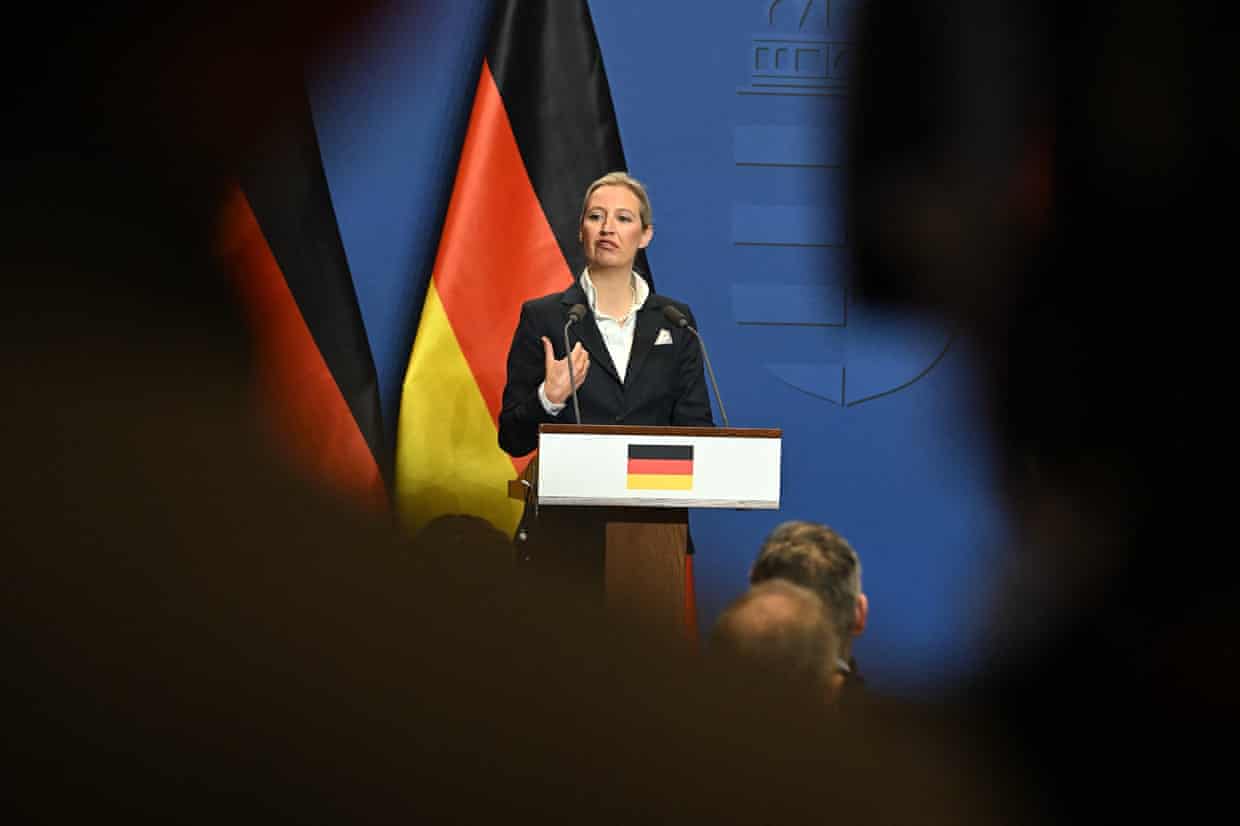
The data, provided to reporters by the transparency organisation Distributed Denial of Secrets (DDoSecrets), covers more than 420,000 emails, along with documents and personnel records, from the partyâÂÂs foundation in 2013 to the present, with most coming before 2019.
The AfD said in a statement on Monday that a hosting provider used by the party had been attacked at the end of September and that âÂÂonly a few mailboxesâ had been copied. It told the news agency dpa that most of those mailboxes had not been used for years, and party sources were quoted as saying the published material appeared to be authentic.
The cable
AfD figures praised Trump ahead of his first election in 2016, with then leader Frauke Petry calling him a âÂÂrefreshingly alternative propositionâ in the spring of 2016. On the day after Trump won the presidency, Petry said the victory was âÂÂencouraging for Germany and for EuropeâÂÂ.
The hacked documents reveal that in the wake of his election, the party scrambled to send an ingratiating telegram to the new president.
Mainstream German politicians greeted TrumpâÂÂs election with skepticism. On 9 November 2016, then chancellor Angela Merkel offered Trump âÂÂclose cooperationâ only âÂÂon the basis of ⦠valuesâ including respect for human dignity âÂÂregardless of origin, skin colour, religion, gender, sexual orientation or political viewsâÂÂ. The then defence minister Ursula von der Leyen called the result a âÂÂhuge shockâÂÂ. The next day the vice-chancellor, Sigmar Gabriel, reportedly called Trump the âÂÂforerunner of a new authoritarian and chauvinist internationalâÂÂ, and he counted the AfD among its forces.
On 10 November, Petry emailed the partyâÂÂs federal board proposing âÂÂan official and brief congratulatory telegram to the future US presidentâÂÂ. German politics, she wrote, was âÂÂonce again outdoing itself in politically unacceptable behaviourâÂÂ; the AfD was âÂÂalready perceived as the ones who donâÂÂt join in the majority howl of the political establishmentâ and, âÂÂas the only German party welcoming a new beginning in the USâÂÂ, should say so officially.
Eleven of the boardâÂÂs 13 members replied, all in favour. Current leader Weidel wrote âÂÂYes:-)âÂÂ. Beatrix von Storch, now deputy leader of the partyâÂÂs Bundestag group, wrote: âÂÂCouldnâÂÂt be more of a yes.âÂÂ
Board member Dirk Driesang added that Trump should also receive, âÂÂby post (?)âÂÂ, the partyâÂÂs manifesto in English.
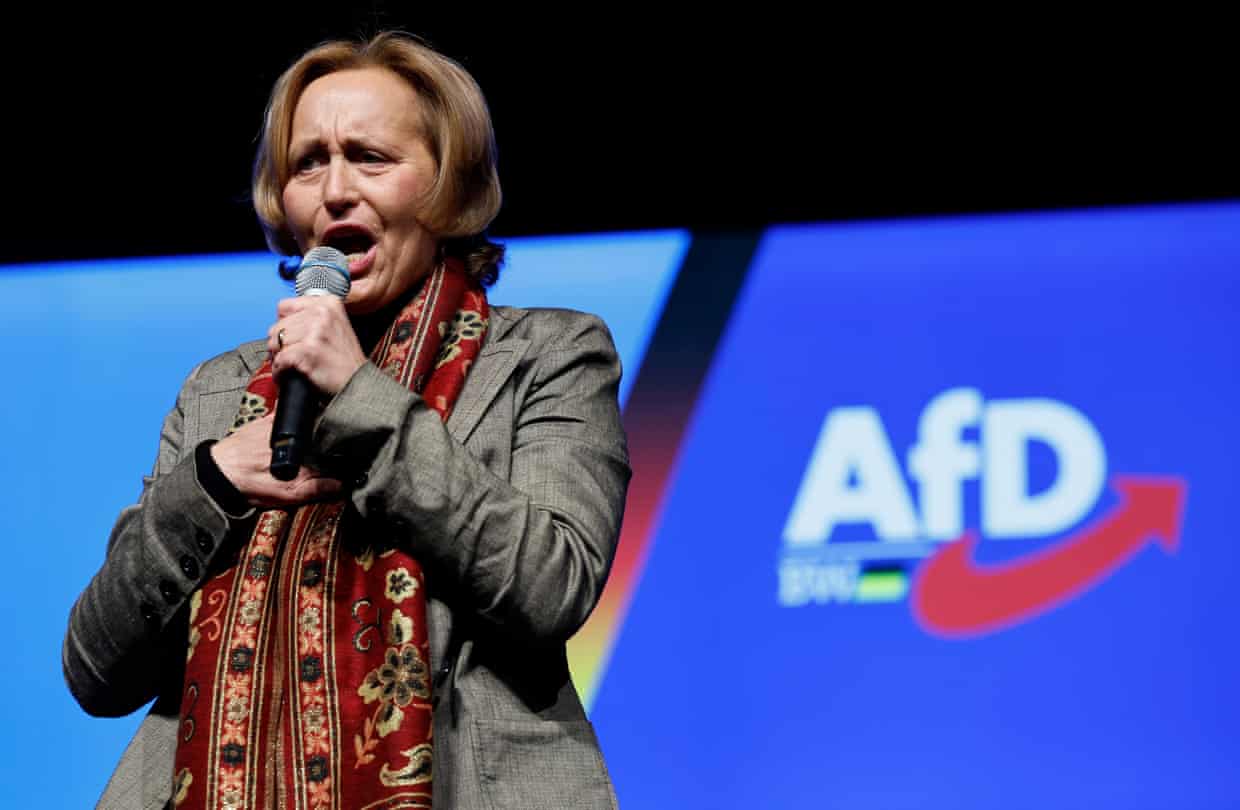
The telegram went out on 11 November under PetryâÂÂs name, âÂÂon behalf of the federal boardâÂÂ, and was released to the press. It told the president-elect: âÂÂWe are confident that you will readjust the transatlantic relationship and end the wars in Syria and Ukraine by mutual agreement with Russia.âÂÂ
A second message, for the inauguration, was planned more carefully, and included a concrete request for a political favor. On 11 January 2017, Driesang asked for it to be put on the agenda of the boardâÂÂs next conference call, âÂÂthis time faster and better preparedâÂÂ, and proposed adding a request: âÂÂPlease support us in our efforts to remove the enemy-state clause from the UN charter.âÂÂ
The âÂÂenemy stateâ clauses were written into the UN charter in 1945, and exempted action against âÂÂany state which during the second world war has been an enemy of any signatoryâ from the charterâÂÂs normal rules, so that the wartime allies could move against any âÂÂrenewal of aggressive policyâ by Germany, Japan or their allies. The general assembly declared them obsolete in 1995 and resolved to repeal them, but the text has never been amended, because changing the charter needs ratification by two-thirds of member states and all five permanent members of the security council.
No German party currently defends the clauses, but the BundestagâÂÂs own research service wrote in 2017 that international lawyers unanimously regard the clauses as having no practical relevance. On the German right, however, the clauses are totemic, and viewed as a limitation on German sovereignty. The AfDâÂÂs Bundestag group demanded its deletion in a 2020 motion that called it a âÂÂrelic of the pastâ which âÂÂindirectly designates Germany an âÂÂenemy stateâÂÂâÂÂ, and every other party voted it down.
AfDâÂÂs federal board adopted the enemy state request on its call of 16 January, according to the federal officeâÂÂs record of the decision contained in the leaked documents.
When the office circulated an English draft on 19 January, Georg Pazderski, then the partyâÂÂs Berlin leader and a member of its federal board, objected to the tone and to the request for support: âÂÂYou donâÂÂt address the president as Mr Trump, he is Mr President. Otherwise a bit wordy and flowery. I stand by it: the enemy-state clause doesnâÂÂt belong in this letter at all. You donâÂÂt do that in a letter of congratulation. It looks like a begging letter.âÂÂ
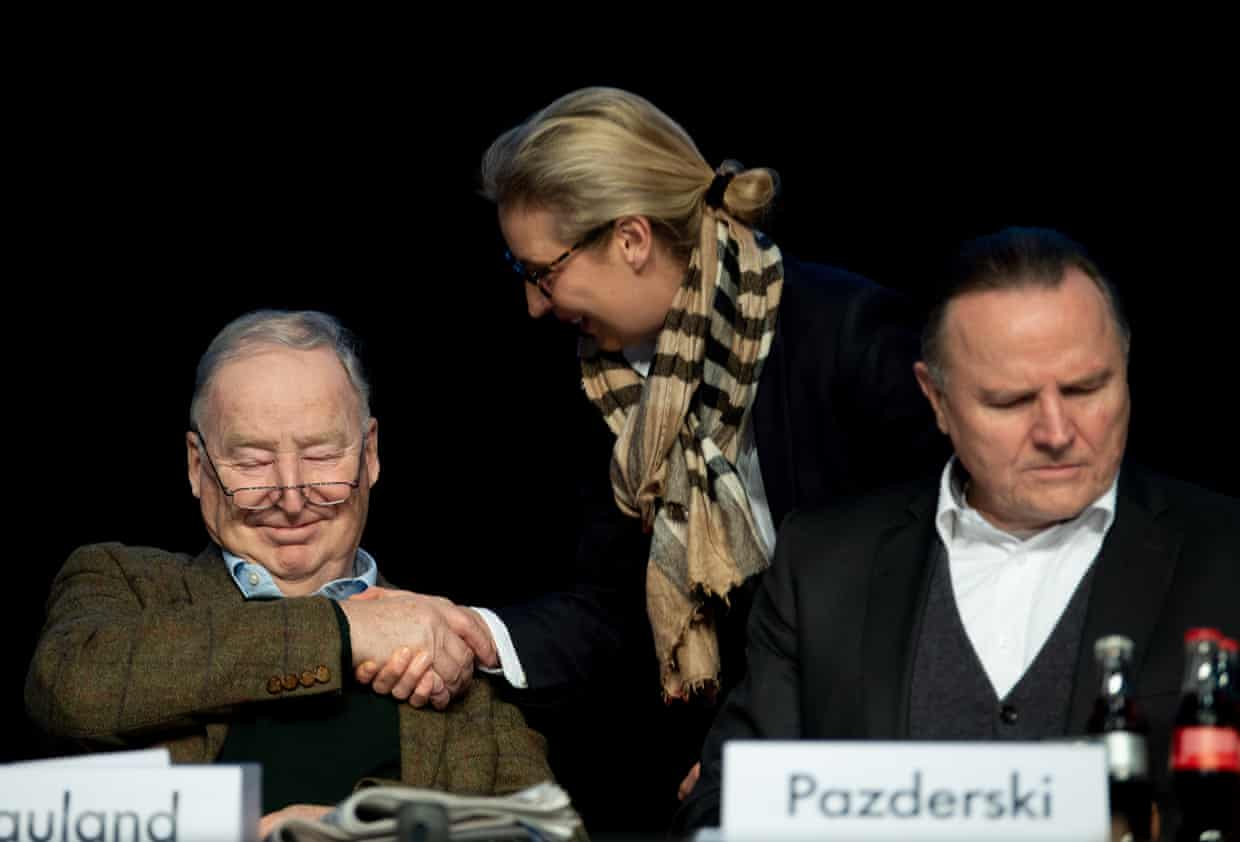
Driesang replied at 6.16 the next morning: âÂÂPersonally I of course find the style appropriate, otherwise I wouldnâÂÂt have written it that way.âÂÂ
The office also wanted to know how the telegram should reach Trump: âÂÂdirectly to TrumpâÂÂs campaign team ⦠or through official diplomatic channels (e.g. the US embassy in Berlin)?âÂÂ
André Poggenburg, then the partyâÂÂs leader in Saxony-Anhalt, answered: âÂÂall available channels.âÂÂ
The text released on the afternoon of 20 January, signed by Petry and her then co-leader Jörg Meuthen, kept the request. It told Trump that the clause stood in GermanyâÂÂs way âÂÂas a strange anachronismâÂÂ, and asked him to see the AfD âÂÂas natural allies at your side, because we are the only German party in clear opposition to the wrong policies of Chancellor MerkelâÂÂ. The Guardian reported the telegramâÂÂs wording the next day.
Frauke Petry subsequently left the party in 2017 in the wake of a bitter internal power struggle.Meuthen, Pazderski and Driesgan have also left the party.
Frohnmaier and the embassy
Markus Frohnmaier entered the Bundestag in 2017 and is now a deputy leader of the AfDâÂÂs parliamentary group and a member of the foreign affairs committee. Before that he led the partyâÂÂs youth wing, the Junge Alternative. At a rally in Erfurt in October 2015 he told the crowd: âÂÂI say to these leftwing thought-terrorists, this party cartel, quite clearly: when we come, there will be a clear-out, there will be a mucking-out!âÂÂ
GermanyâÂÂs domestic intelligence agency classed the Junge Alternative as âÂÂconfirmed extremistâ in 2023. The Junge Alternative dissolved in March 2025, and a successor organisation, Generation Deutschland, was founded in November 2025.
In April 2019 the BBC and several European partner outlets reported on documents emailed in 2017 by Petr Premyak, a Duma staffer and former naval counterintelligence officer, to a senior official in Vladimir PutinâÂÂs administration in 2017 proposing support for FrohnmaierâÂÂs candidacy, with the assessment: âÂÂWe will have our own absolutely controlled MP in the Bundestag.âÂÂ
FrohnmaierâÂÂs lawyers said he âÂÂwas never under the control of any third partyâÂÂ, and he told the BBC the documents were fake.
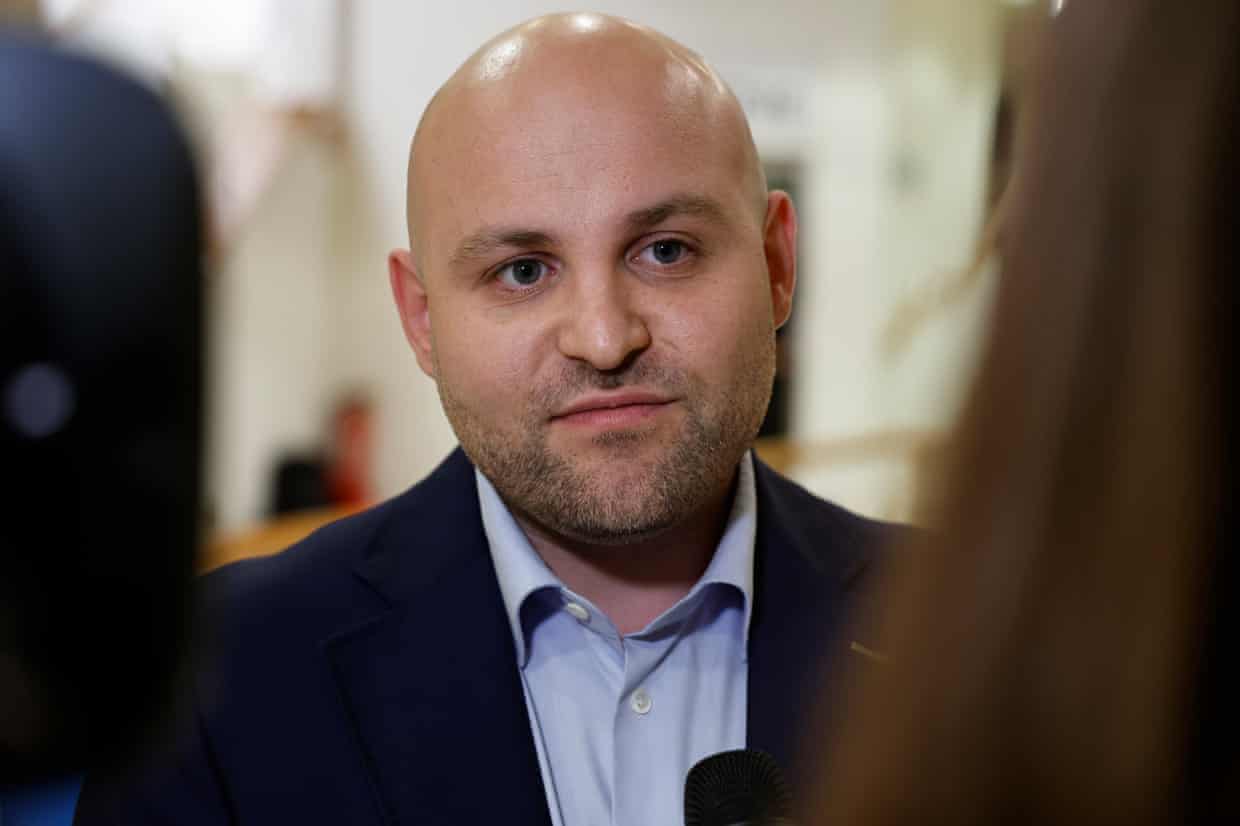
Five weeks after those reports, on 13 May 2019, his parliamentary assistant wrote to a Gmail address in the name of Daniel Pipes, the founder of the Middle East Forum (MEF).
The US civil rights organization the Southern Poverty Law Center writes of Pipes that he has âÂÂspent the better part of three decades actively promoting anti-Muslim rhetoricâÂÂ, and has reported his argument that western leaders should consider âÂÂworking withâ far-right parties such as AustriaâÂÂs Freedom party, âÂÂnot marginalizing itâÂÂ. Pipes had met Frohnmaier in Berlin two months earlier, on a tour of what he calls EuropeâÂÂs âÂÂcivilizationistâ parties; the far-right site PI-NEWS published a photograph of the two.
The email thanked âÂÂDr Pipesâ for sending his interview with the rightwing weekly Junge Freiheit, then came to the point: âÂÂOn behalf of Mr Frohnmaier I should also contact you with the request to arrange a contact in the US Embassy. Mr Frohnmaier would like to meet the Ambassador in person or the Head of the Department of Economic Cooperation and Development Policy.âÂÂ
The ambassador was Richard Grenell, who had told the rightwing news outlet Breitbart within weeks of taking up the post in 2018: âÂÂI absolutely want to empower other conservatives throughout Europe, other leaders.â Grenell, whose praise in the same interview for AustriaâÂÂs rightwing politician Sebastian Kurz as a âÂÂrock starâ prompted calls from German politicians for his expulsion. Grenell went on to serve as TrumpâÂÂs acting director of national intelligence in 2020 despite having no background in intelligence, to front the evidence-free claims of âÂÂillegal votesâ in Nevada two days after the 2020 election, and, in TrumpâÂÂs second term, to run the Kennedy Center through its renaming as the Trump Kennedy Center, until he stepped down in March.
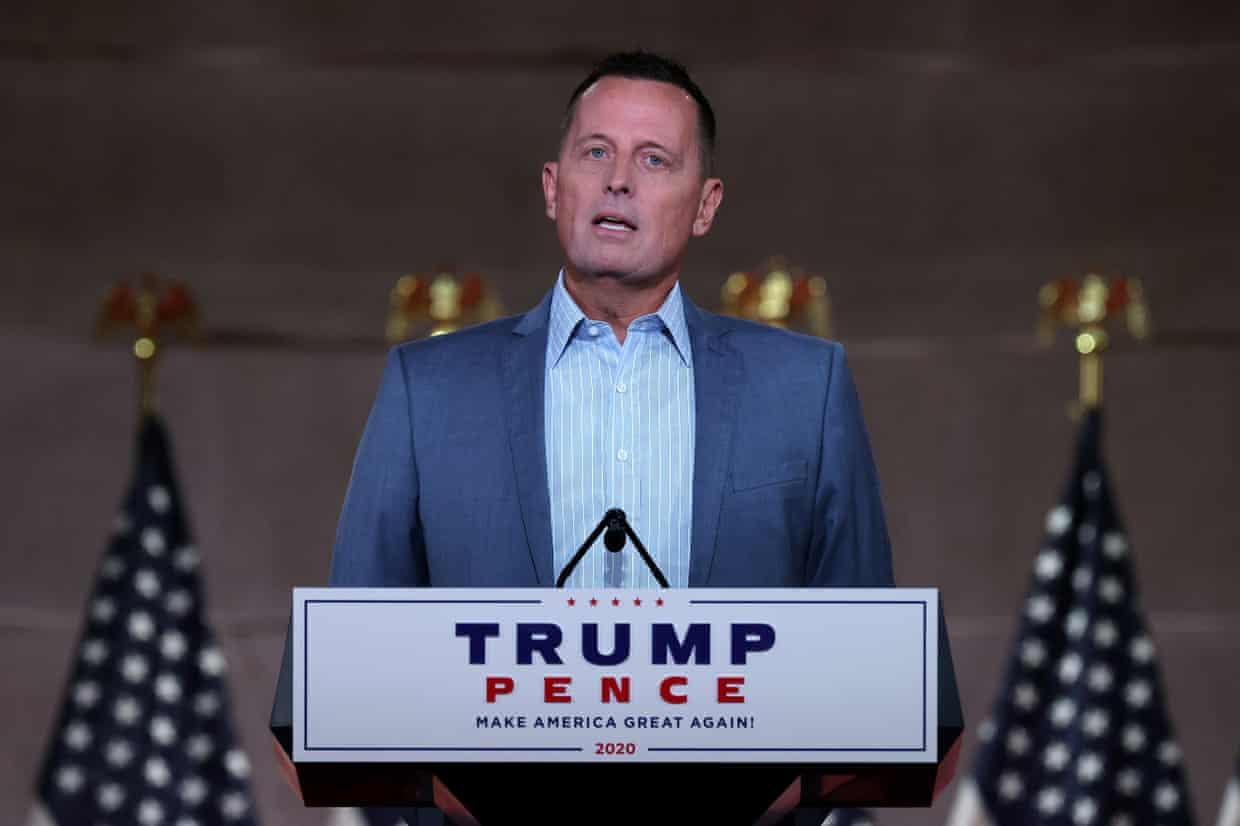
The archive holds no reply from the Pipes address and no record of a meeting.
Responding to a request for comment, Pipes wrote in an email: âÂÂI received that request. I did not pass the request to anyone at the US Embassy in Berlin. If Markus Frohnmaier had a meeting there, it took place without my involvement. I do not recall Mr Frohnmaier among the many politicians I met on that trip. I show no subsequent contact with him after 13 May 2019.âÂÂ
Pipes added: âÂÂThe Southern Poverty Law Center distorts my views, which can be summed up by my well-known adage: âÂÂRadical Islam is the problem, moderate Islam is the solution.â I oppose Islamism and Islamists, not Islam and Muslims ⦠Representing my views and work otherwise is a calumny.âÂÂ
Pipes concluded: âÂÂIn 2019 in Berlin, I constantly argued with AfD members and leaders, encouraging them to adopt an anti-Islamist rather than an anti-Islamic outlook, without success. Indeed, I made that point in the Junge Freiheit interview you referenced.âÂÂ
Two months earlier the same office had approached Breitbart itself. On 12 March 2019 the assistant asked the Bundestag groupâÂÂs press spokesman whether he happened to have âÂÂa contact at BreitbartâÂÂ, then wrote to the Breitbart reporter Chris Tomlinson, describing his boss as a âÂÂyoung starâ of the party and an expert on the UNâÂÂs âÂÂ2030 Agendaâ and Global Compact for Migration: âÂÂAre you maybe interested in doing an interview with Mr Frohnmaier for Breitbart about these topics and the situation in Germany?â No reply is in the archive.
There is no evidence that this pitch was successful, and no mentions of Frohnmaier on Breitbart outside quotes in a story the previous year about anti-immigrant riots in the German city of Chemnitz.
In an email replying to a request for comment, Frohnmaier wrote: âÂÂRegarding the correspondence you refer to, it must first be noted that we have so far had no opportunity to independently verify its authenticity and completeness. This applies all the more given that, according to the information available to us, the documents were obtained unlawfully.âÂÂ
He added: âÂÂThe contacts you refer to are to be seen in the context of the usual cultivation of international political contacts. Exchanges with international interlocutors are part of everyday political work and are, in themselves, nothing out of the ordinary. As a matter of principle, we do not comment further publicly on internal matters.âÂÂ
âÂÂWe came to listenâÂÂ
A year earlier the AfDâÂÂs Bundestag group had announced its first contacts with the Trump administration. A press release on 13 June 2018 said the groupâÂÂs foreign affairs spokesman, Armin-Paulus Hampel, and Jens Kestner, a member of the defence committee, had travelled to the US âÂÂto inform themselves about the state of German-American relationsâÂÂ.
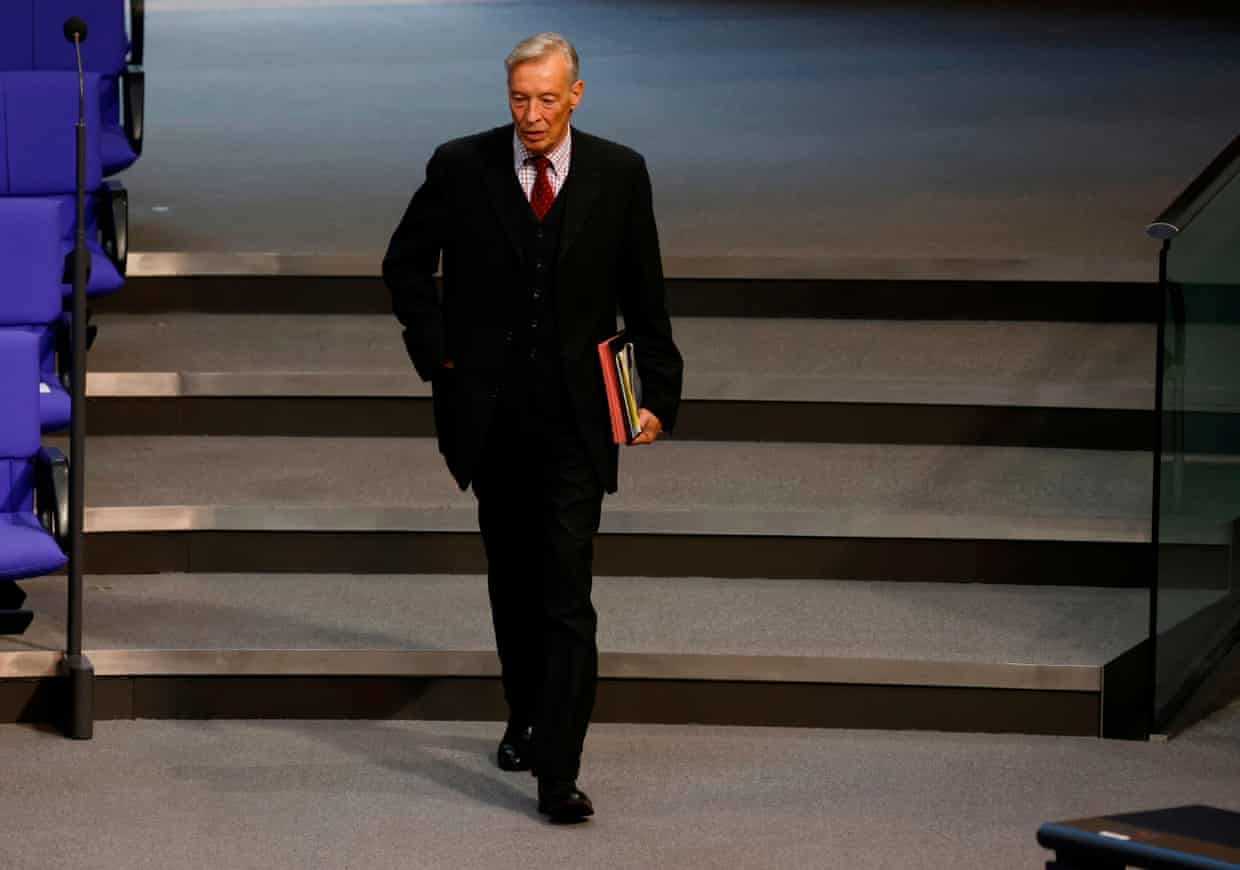
âÂÂWe came to listen,â Hampel was quoted as saying in the release. âÂÂIn talks at the state department, on Capitol Hill and at the Pentagon,â the release went on, âÂÂthe two AfD politicians also set out the foreign-policy positions of the AfD Bundestag group.âÂÂ
It named two of their interlocutors: Justin Stebbins, âÂÂsecurity policy adviser to the influential senator Ron JohnsonâÂÂ, who it said âÂÂshowed understandingâ for the AfDâÂÂs position on Nato; and Ken Toko, âÂÂhead of the âÂÂGerman deskâ in the state departmentâÂÂ, who pressed Germany on defence spending. The Frankfurter Rundschau reported at the time that it was the groupâÂÂs first official US trip and that the talks were at mid-level working level.
The AfDâÂÂs founding manifesto, adopted in 2016, says Nato membership serves GermanyâÂÂs interests âÂÂinsofar as Nato confines itself to its task as a defensive allianceâ and calls for the withdrawal of all allied troops stationed in Germany, âÂÂand in particular their nuclear weaponsâÂÂ. Its 2025 manifesto keeps Nato membership only âÂÂuntil an independent and capable European military alliance has been builtâÂÂ, and rejects NatoâÂÂs eastward expansion. The 2025 manifesto also says that the party envisions Ukraine as a neutral state, aligned neither to Russia nor the west.
Steve Bannon
The most direct line into TrumpâÂÂs circle was through Harris Media, a Texas digital firm that had worked for Republican senator Rand Paul, Marine Le Pen and Benjamin Netanyahu, and ran the AfDâÂÂs online campaign for the 2017 federal election, as Der Spiegel reported at the time.
On 28 February 2018 the firmâÂÂs founder, Vincent Harris, emailed Alice Weidel, by then the AfDâÂÂs co-leader in the Bundestag, to say he would be in Berlin in March and would âÂÂlove to connectâ about âÂÂthe database for the party, and maximizing donations, and lead generation effortsâÂÂ. Weidel replied the next day: âÂÂSure! My office will get in touch with you. Btw. Do you have Steve Bannons cell phone number? I need to see him.âÂÂ
Bannon, the former White House chief strategist, had left the post seven months earlier and had been forced out of Breitbart in January. On 3 March Harris wrote to both of them: âÂÂAlice, Per your email, wanted to introduce you to Steve Bannon. I believe you two will get along incredibly well, and share common vision and ideals.â He was, he added, âÂÂlooking forward to seeing what you will cook up togetherâÂÂ.
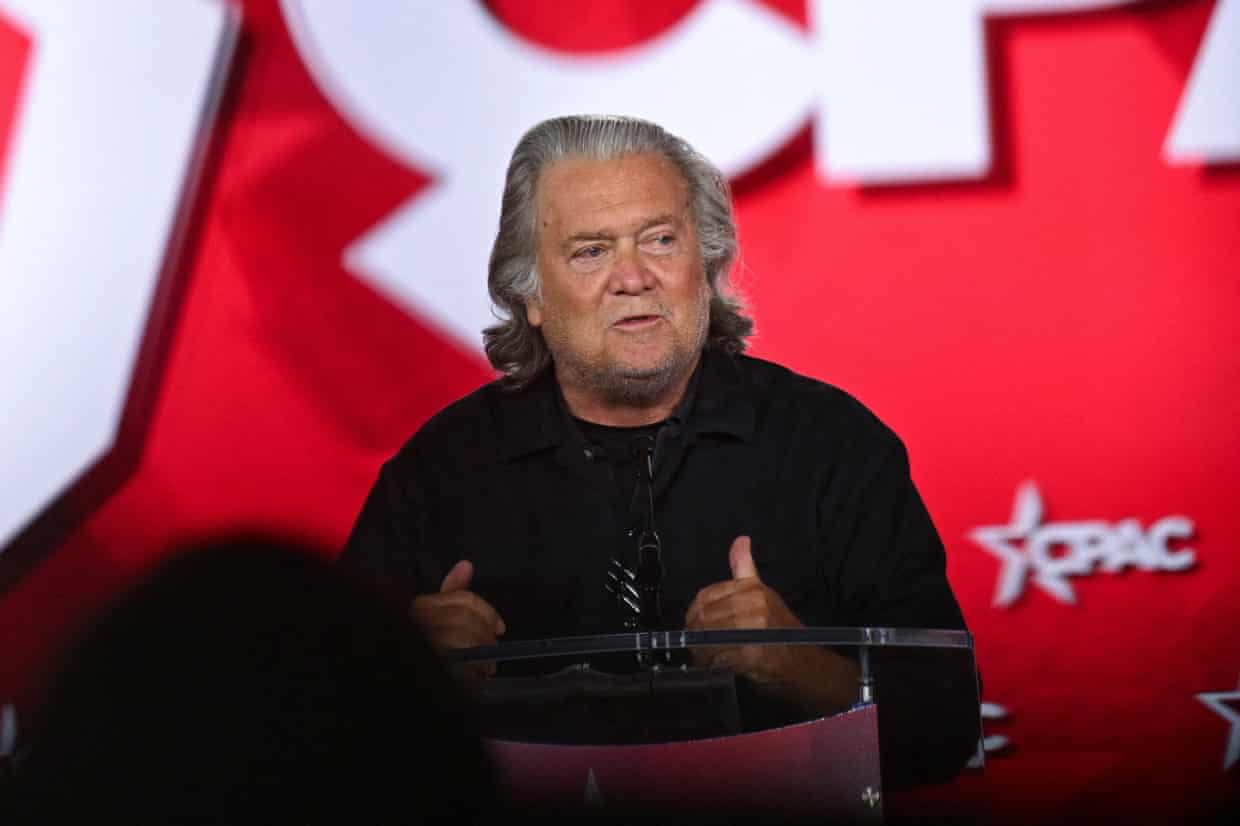
Bannon answered two minutes later from his BlackBerry, âÂÂThanks vinceâÂÂ, and âÂÂAlice let me know when u can chatâÂÂ. Weidel replied: âÂÂSteve, any time. I am in Berlin tomorrow, in Zurich Monday and Tuesday. Let me know.â Bannon: âÂÂIâÂÂm in zurich tuesday, wednesdayâÂÂ, and âÂÂWould love to meetâÂÂ. Weidel: âÂÂTuesday afternoon Zurich. When and where?â Bannon: âÂÂPerfect.âÂÂ
The meeting was reported by the news agency dpa the same day, citing WeidelâÂÂs office, which said BannonâÂÂs experience of political communication and alternative media had been of particular interest to her. What the emails add is who arranged it, and why. On 12 March Harris wrote to Weidel: âÂÂI am glad to see the other meeting went well!âÂÂ
Three days later Thor Kunkel, the partyâÂÂs campaign creative director, had a suggestion for Weidel. âÂÂWhy not hire Bannon? For AfD-TV,â referring to the partyâÂÂs in-house media organization. âÂÂWhy not? The man is desperately looking for a job. I know this by chance from Dietrich Mateschitz,â name-checking the co-founder of Red Bull. Weidel forwarded it to her Bundestag office; the archive does not show that anything came of it.
By that summer the party was keeping its distance from the former White House aide in public. On 11 August 2018 Alexander Gauland, a former Christian Democrat who co-founded the AfD and was then one of its deputy leaders, told German newspapers that Weidel âÂÂhad met once with Bannonâ but that she saw no possibility of cooperating with him. The emails show what that looked like from inside: when CNN wrote to the AfDâÂÂs press office on 7 August asking about BannonâÂÂs Movement foundation, and noting that âÂÂsome other news outlets have been reporting that Ms Weidel met Mr Bannon in Switzerland in MarchâÂÂ, Meuthen replied: âÂÂI will not give CNN an interview on that.â A week later the Bundestag groupâÂÂs press office told every AfD MP that, âÂÂafter consultation with the two parliamentary group leaders, we ask you politely to leave these requests unansweredâÂÂ.
On 26 March 2019 Bannon told a press conference in Rome, at which he called Italy âÂÂthe centre of the universeâ because of Matteo Salvini, that he had met representatives of several parties there, including the AfD. When a Stuttgarter Zeitung correspondent asked the party who had met with Bannon, the federal office told the board it knew nothing about it. Pazderski, the partyâÂÂs Berlin leader, complained of a âÂÂwild growthâ in the party in foreign relations, and said that the board had to âÂÂput a stop to these will-oâÂÂ-the-wisp self-promoters, because their completely uncoordinated âÂÂprivate diplomacyâ reflects negatively on the entire partyâÂÂ.
The second administration
The leaked mail thins out after 2019, but the partyâÂÂs ongoing contacts with the second Trump administration appear through the public record and its politiciansâ own newsletters.
On the eve of the January 2025 inauguration Von Storch, the partyâÂÂs deputy leader and her husband Sven were at TrumpâÂÂs âÂÂMake America Great Again Victory Rallyâ in Washington. She told her newsletter subscribers the next day, âÂÂtogether with many celebrities and Trump supportersâÂÂ, and âÂÂmet Steve Bannon and Donald Trump Jr there, among othersâÂÂ.
On 14 February the vice-president, JD Vance, met Weidel on the sidelines of the Munich security conference. On 23 February the AfD doubled its vote and became the largest opposition party in the Bundestag.
In September 2025, the New York Times reported that in April, Von Storch and the AfD politician Joachim Paul had met the state department official Samuel Samson in Washington. âÂÂThey took a lot of notes,â Paul said.
On 1 October Darren Beattie, then the acting under-secretary of state for public diplomacy, posted that he had met Frohnmaier and a second AfD MP, Jan Wenzel Schmidt, âÂÂto discuss U.S.-Germany relations, as well as shared priorities on cultural exchange and migrationâÂÂ. Beattie was fired as a White House speechwriter in 2018 after it emerged he had spoken on a panel with the white nationalist Peter Brimelow. On 13 December his successor, Sarah B Rogers, met Frohnmaier too; Frohnmaier posted on X that the exchange had âÂÂmade clear that Washington is looking for a strong German partner that is ready to take on responsibilityâÂÂ.
The Guardian reported in February that Rogers, asked about the 2019 Russian documents, which argued for supporting his candidacy in the 2017 German election, said she had âÂÂsought guidance within the state department and determinedâ that the allegation was âÂÂunsubstantiated â and in any event, not a bar to a meetingâÂÂ.
In an emailed response to a request for comment on the meeting, Rogers wrote âÂÂMr Frohnmaier is the foreign policy spokesman for the most popular political party in Germany. He delivers AfDâÂÂs foreign policy positions in the Bundestag, and is the person German media call when they want a policy statement from AfD. For this reason, we talk to him in his official capacity to understand AfDâÂÂs positions.âÂÂ
Rogers added: âÂÂDuring the âÂÂcancel cultureâ era, there was a manic focus on reputational contagion that probably hurt American civic life, and is a poor fit for American diplomacy.âÂÂ