
Lanarkshire AI datacentre to fully rely on National Grid despite renewables claim
DataVita has revised plan for Chapelhall development to be wholly powered by 1GW of renewable energy
A datacentre company that said it would power a massive AI development near Glasgow with renewable energy has admitted that the scheme will be entirely served by the National Grid.
DataVita, a key plank of the UKâÂÂs AI strategy, had promised that the Lanarkshire project would draw 1GW â the equivalent output of a small nuclear reactor, or BritainâÂÂs largest windfarm â from green sources. But when the Guardian raised questions about the pledge, it said the arrangement was âÂÂsubject to final commercial agreements, planning, grid and consenting processesâÂÂ.
Now, the company, which says its proposals would transform the economy of the village of Chapelhall, outside Airdrie, has quietly revised the plan. It now says the datacentres will be âÂÂfully grid servedâ with the possibility that solar and windfarms âÂÂcould connect in the futureâÂÂ.
DataVita says the power it draws from the grid will be largely renewable energy. The company remains in receipt of ã202m of public money in the form of wealth guarantees from BritainâÂÂs national wealth fund.
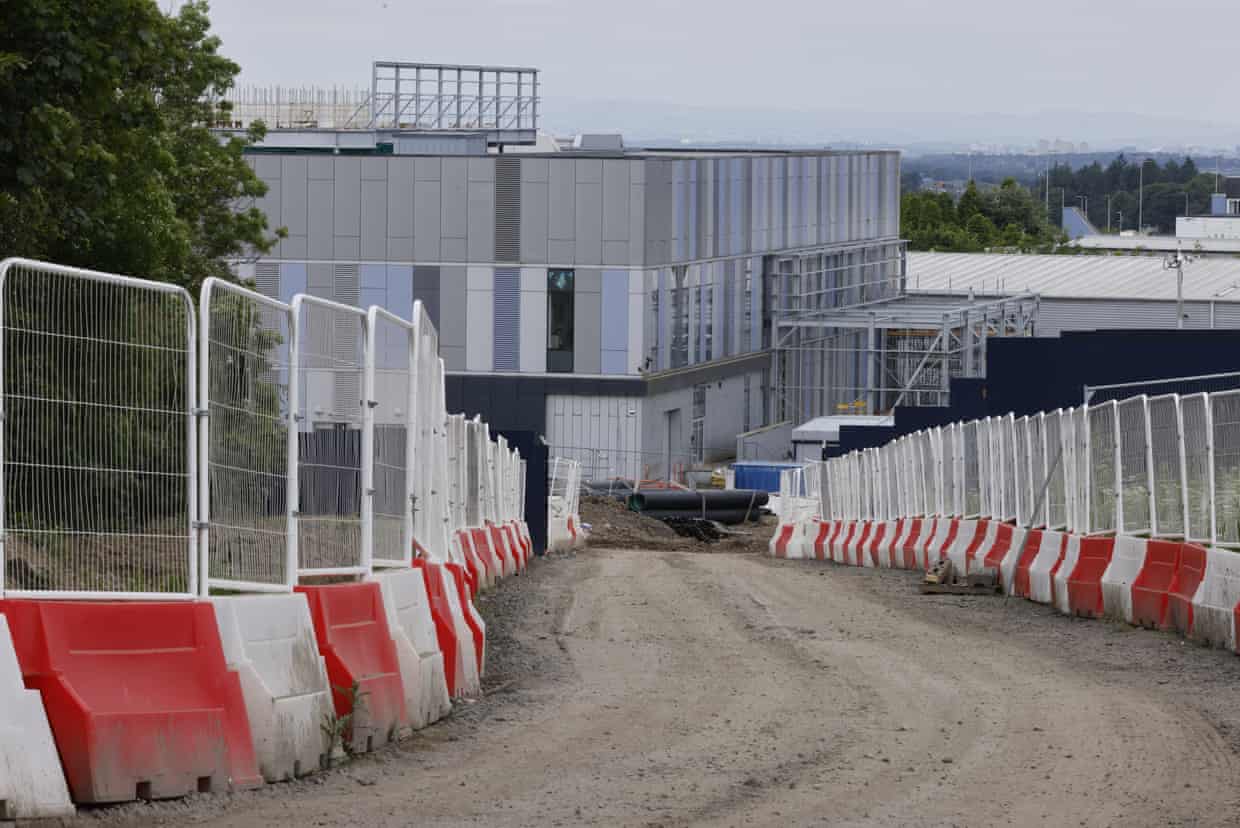
While the shift may appear to have been inevitable given the implausibility of the claimed renewables provision, it could present a problem for both DataVita and BritainâÂÂs AI strategy.
Under the former prime minister Keir Starmer, BritainâÂÂs AI strategy was to build massive datacentres in zones across the country. Their developers would get incentives â including, potentially, discounts on energy and expedited planning approvals. DataVita was to build one of the key developments associated with this strategy, an âÂÂAI growth zoneâ in Lanarkshire.
But this strategy began to founder just over a year after it was announced, when the GuardianâÂÂs investigations demonstrated that there was little solidity behind many announced plans.
AI datacentres are some of the most energy-intensive structures humanity has ever built, and energy costs are higher in Britain than in most of Europe. There is a years-long wait for the UK developments to connect to the grid.
Two key UK AI investments â announced with great fanfare by StarmerâÂÂs government â are on shaky ground after questions emerged over their ability to power themselves, or pay the high energy costs necessary to realise their stated ambitions. Now DataVita, which was supposed to bring 3,400 jobs to Lanarkshire by building a 500MW datacentre, also appears to be backtracking on its energy plans.
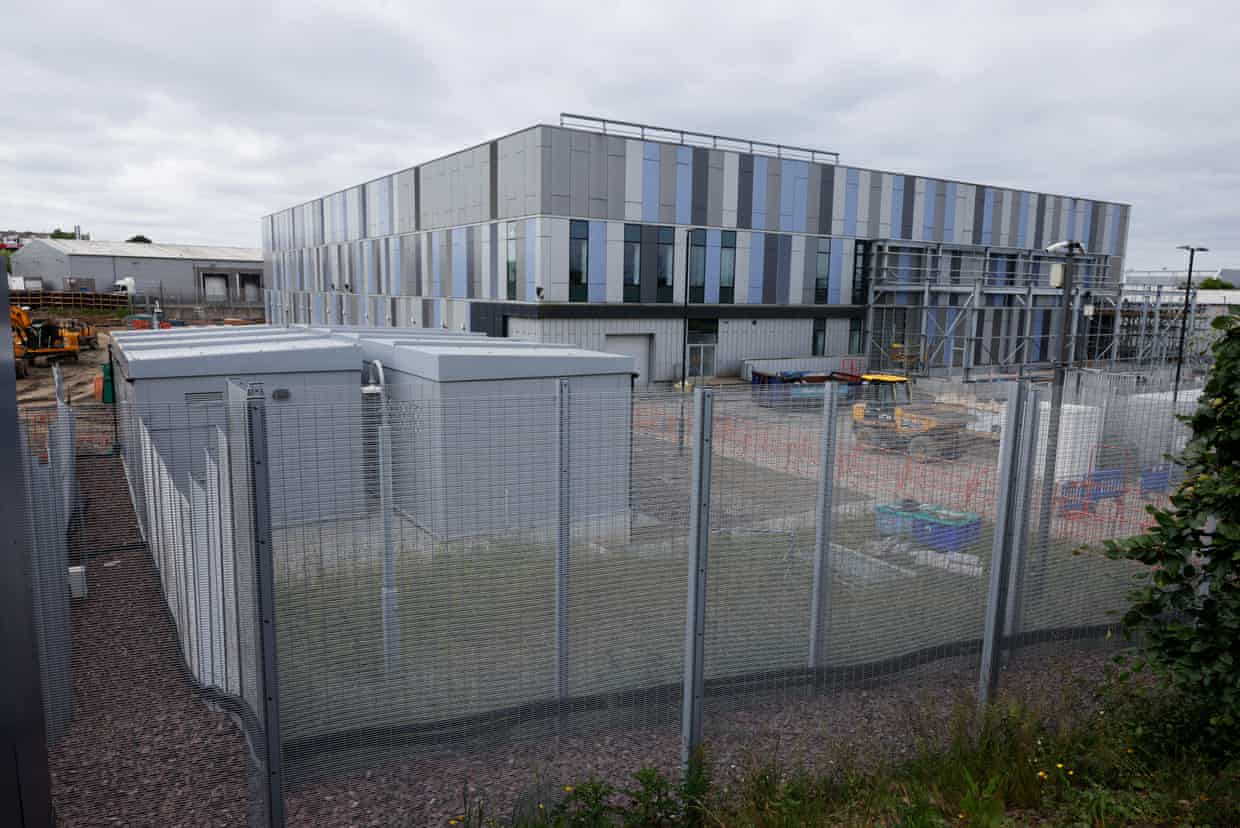
In a response to the Guardian, the company said it had not misrepresented its intention to supply renewables to the site earlier this year. âÂÂOur commitment to renewable energy is unchanged,â said a spokesperson. However, they added: âÂÂOur datacentres are being designed to be grid served ⦠Our grid supply will be through a renewable power purchase agreement.âÂÂ
This appears to contradict an earlier announcement, in which the company said: âÂÂMore than 1GW of renewable energy capacity, including wind, solar, and battery storage, will be delivered through private wire connections directly linked to the datacentres.âÂÂ
DataVita left open the possibility that its datacentres would connect to renewable energy in the future, through a wind and solar park it proposes to build in North Lanarkshire.
Kat Jones, the director of the Edinburgh-based charity Action to Protect Rural Scotland, said DataVitaâÂÂs apparent change in direction was âÂÂemblematic of the hyperbolic claims being made by datacentre developers in ScotlandâÂÂ.
âÂÂHyperscale AI datacentres simply cannot run on renewable power alone, they absolutely need a highly reliable source of grid power,â she said. âÂÂIt is not surprising that the goalposts have now changed.âÂÂ