
âÂÂItâÂÂs stressful but better than having a proper jobâÂÂ: the life of a cricket umpire
Four umpires discuss how they deal with players, why they avoid social media, how technology is changing cricket and why umpiring beats being a football referee
Last summer, sat in a quiet ground at the fag-end of a four-dayer, with a few souls still kicking around and a clutch of cameras streaming what was left of the day live on YouTube, it struck me again what a great, strange sanctuary this place is, out there on the edges of the modern world. The game is trying to move, albeit at its own pace. Later that night, the dayâÂÂs highlights would be landing on social media, available to all, for the gameâÂÂs devotees to pore over and pick apart.
More people are watching the County Championship than ever before. Streaming numbers show a growing audience in the UK and a widening uptake across the cricketing globe. The numbers arenâÂÂt yet earth-shattering, but how could they be, with such eccentric fare?
No matter, I tell myself. This is our place, our haven unspoiled ... until a marginal umpiring decision gets posted online, often from an official club account with a few eye emojis, and weâÂÂre forced to confront a different truth: that county cricket is not quite a sanctuary after all, but just another thing to be fed through the unrelenting shredder. Never before have umpires been subjected to such scrutiny, nor had to weather such criticism. Yet there they stand, hour after hour, day after day, counting to six and searching for grace. This is their story.
What is the job like today?
Mike Burns: ItâÂÂs a bit different to when we were playing! ThereâÂÂs a lot more scrutiny now. And the players, because of all the videos, are a lot more likely to question things. I also think when people see how officials get questioned in football, they feel that thatâÂÂs acceptable in cricket. IâÂÂm not saying they are anywhere near as bad, but thatâÂÂs definitely changed.
Michael Gough: When I started [in 2013] we had no match referees. Cameras were 100 yards away, there was nothing to zoom in on. We were pretty much our own bosses back then. We filled out our own match report. You look around the grounds now at some of the counties and they have six, seven or eight cameras at each match.
MB: YouâÂÂve got to be more open to being questioned and having answers to those questions. You canâÂÂt just say âÂÂOh, this didnâÂÂt look rightâ or âÂÂItâÂÂs just thatâÂÂs what I decidedâÂÂ. YouâÂÂve got to have answers. I gave a decision a few years back and I went on social media and got down a rabbit hole and IâÂÂll never do it again. YouâÂÂve got to stay away from it. ThatâÂÂs all you can do.
MG: I think itâÂÂs important as umpires that we donâÂÂt engage in any social media at all.
Neil Bainton: There are cameras at every game. There are cameras now at minor counties games, and even club games have got the livestream now, which is frightening. Talk about the abuse some of these club umpires are getting ...
Jack Shantry: There certainly is scrutiny, as there should be in professional sport. Every decision is graded as either correct or incorrect, even with wides and no-balls. Literally everything. ThereâÂÂs pressure on the job, peopleâÂÂs careers are riding on it, and thereâÂÂs a lot of money involved now, but youâÂÂd expect nothing less.
NB: The introduction of match referees has been good. Nowadays, when a county coach isnâÂÂt happy, they will go and bang on the refereeâÂÂs door, whereas years ago theyâÂÂd be banging on our door. The referees have taken some flak away from the umpires, but the scrutiny the umpires are under has increased considerably over the years.

How do you manage the players, especially with all these clips going online?
MG: You have to remind them to be mindful that other people are going to watch how they react, even when they might be joking with you, because on social media people will just go, âÂÂWell, thatâÂÂs a terrible decision by the umpireâÂÂ. Often the players just think theyâÂÂre having a bit of banter, but they donâÂÂt see the bigger picture that we have to deal with.
JS: You have to calm players down from time to time. If itâÂÂs in the middle of an over and theyâÂÂve maybe crossed a line, then youâÂÂll wait a beat before defusing it. ItâÂÂs an art more than a science. The people, like Goughie, who go right to the top, are all excellent man-managers.
MB: YouâÂÂve got your characters that you know you have to look out for. We did MI London versus London Spirit last year and youâÂÂve got Liam Livingstone on one team and the Curran boys on the other. It kicked off a little bit, and it can get out of hand if you donâÂÂt nip it in the bud.
JS: The vast majority of the time the players are fantastically respectful. As a game weâÂÂre very lucky. You might get the occasional comment from the captain at mid-off, âÂÂWhatâÂÂs that missing?â And youâÂÂll give them an honest answer and nine times out of 10 they accept it.
MB: There are a certain number of us who have very good relationships with players and thereâÂÂs a few that are struggling still. I think youâÂÂve got to show empathy to the players, let them know that youâÂÂre enjoying being there, but you canâÂÂt let them just walk all over you.
JS: Thankfully our game isnâÂÂt like football. A few years ago, just after IâÂÂd started umpiring professionally, I refereed some amateur-level football during the winter, and I took more shit doing Sunday league football than I ever have in games where players are getting paid many thousands of pounds.

Can you have friendships with them outside of the game?
MB: Some players you just warm to, theyâÂÂre good characters and you find yourself talking to them a lot. So youâÂÂre as friendly as you can be given the circumstances. But youâÂÂve got to remember youâÂÂre going to have to give them out. I think you can become friendly with them without being âÂÂfriendsâ as such.
Cameras are here to stay. Can we expect to see more developments?
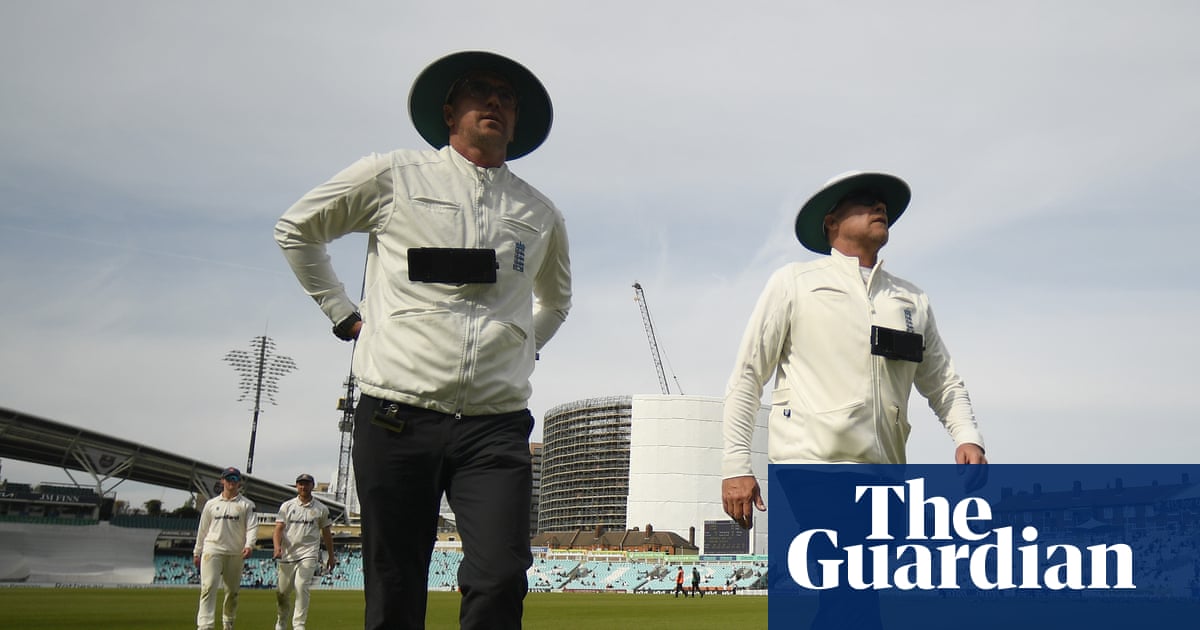
NB: There are developments being discussed. Currently the umpires wear cameras on their chests. WeâÂÂd like to take them away. We now have better cameras off-field, though it needs some budget being thrown at it â it wonâÂÂt be cheap to set up at 18 first-class grounds. But the quality of the cameras that weâÂÂre seeing off the field are much better these days, and would certainly be able to give line decisions, for run-outs and stumpings.
JS: If some form of DRS was introduced â certainly for line calls â then absolutely weâÂÂd welcome it. No umpire wants to influence the game negatively with an incorrect decision. And then the players will be more accepting of decisions if they have a right to reply.

Have your decisions ever been affected by the possibility of online criticism?
MB: I donâÂÂt think thatâÂÂs ever been at the forefront of my mind. IâÂÂve never thought about social media, or any stuff like that, when IâÂÂve actually been out there.
MG: There are no other factors that go into your mind other than whether youâÂÂre making the right decision at the time.
JS: It doesnâÂÂt impact my decision-making. I have seen some comments online about certain decisions, but the frame-rates of many of the cameras that we use arenâÂÂt great â so if weâÂÂre talking about marginal calls, freeze-framing can give an inaccurate picture of whatâÂÂs really happened. Or the cameras arenâÂÂt perfectly behind the bowlerâÂÂs arm, which again can give a misleading impression. ItâÂÂs also worth saying that the umpire in that clip will be working at more than 90% correct decisions but the algorithms arenâÂÂt interested in the good ones.

NB: Fortunately, theyâÂÂve all got a coach now. So they would speak to their coach, and to other umpires. I think everyone knows youâÂÂre not going to get every decision right. WeâÂÂre doing end-of-season reviews at the moment and our umpiresâ percentages for the season are very high, but they will all still be thinking about the bad decisions. I used to give Vikram Solanki out every game. If I gave a wrong decision, it was always Vikram Solanki. As long as youâÂÂre not apologising to the same player every day, you can develop a relationship.
MB: Yeah, weâÂÂve got umpire coaches who are mostly ex-umpires. WeâÂÂve got four coaches: Ian Gould, Rob Bailey, Tim Robinson and Dennis Burns, and we work with those guys.
MG: Sometimes giving a bad decision is not the worst thing in the world. I gave Dean Elgar out once at Taunton to Simon Harmer. It was pitching outside leg stump by about three feet. It was the worst decision that IâÂÂve ever given in my life. But on the flipside of that, I remember saying to Elgar the next morning: âÂÂDean, really sorry about that. IâÂÂm seeing it on the screen. ItâÂÂs a really poor decision.â A few months down the line, IâÂÂm in South Africa to do a Test match against India, and Elgar has said to their guys: âÂÂIâÂÂve had Goughie in county cricket. WeâÂÂve had a conversation. He came up to apologise.â And all of a sudden you get a way in, and people start to talk to you like a human being.
Do you go in and out of form?
MG: Absolutely. I did a Test match in Sri Lanka, which is the graveyard of cricket as an umpire. ItâÂÂs the most difficult place in the world to umpire. I think I was four or five errors down on day one. I sat down with my fellow umpires that night and said, âÂÂWhat am I doing wrong? What am I doing right? HowâÂÂs my body language?â And they said, âÂÂYou know what? Just factor in âÂÂnot outâÂÂ. Sometimes in these conditions where you are guessing most of the time, just factor in maybe not ...â And from then on in, I had a good Test match.
JS: You certainly have days when your tracking of the ball is a bit off. Like anyone, you have good days and bad days, when you feel a bit out of nick and you canâÂÂt get into a rhythm. But more than anything, you donâÂÂt want to ruin anyoneâÂÂs day or impact negatively on their career. Regardless of whether itâÂÂs a Hundred final or a second XI Championship match, itâÂÂs always somebodyâÂÂs very big game, so you have to keep your processes the same regardless. As a player I used to get infuriated at what I perceived as an injustice, so IâÂÂm very mindful of that. I donâÂÂt want to be pinned in the middle of their dartboard.
Who is the top guy among you?
MG: ItâÂÂs difficult to say. You look at the experienced group, you look at Gouldy, Neil Mallender, Bailey, Robinson, the people who I learned a lot from. So I wouldnâÂÂt say thereâÂÂs one. However, Chris Kelly and Richard Illingworth are the two biggest influences on my umpiring career to date.
JS: Illy [Illingworth] has been fantastic as a mentor. HeâÂÂs the umpire I most enjoy standing with, just watching him go about his business. HeâÂÂs incredibly calm and heâÂÂs very supportive to young umpires. HeâÂÂll often lead from behind, giving the younger guys more responsibility. YouâÂÂll never know if heâÂÂs had a good day or a bad one, but invariably heâÂÂs had a good one. You feel taller when youâÂÂre around him.

WhoâÂÂs a bit tasty to manage on the field?
MB: I can say this because weâÂÂre from the same town: Liam Livingstone would start a fight in an empty house. You put him in a team playing against the Currans and thereâÂÂs some egos flying around. And one of EnglandâÂÂs greatest can be a pain!
Yeah, I was going to ask about standing at JimmyâÂÂs end ...
MB: He nearly runs on the pitch all the time, so youâÂÂre talking about that to him and then heâÂÂs just abusing the batters with no comedy whatsoever. ThereâÂÂs no hint of trying to be funny! Bless him.
JS: He was good as gold with me, but he does like to get stuck into the youngsters in the opposition. Then you have a quiet word with him, he apologises, and we move on.

What is the most rewarding aspect of the job?
MB: Well, itâÂÂs better than having a proper job! WeâÂÂre all very, very lucky to be involved for as long as we have been in professional cricket. It is quite stressful at times, and it is hard, but itâÂÂs rewarding. I want the players to enjoy me being there and I want my colleague to enjoy me being there with them. And if IâÂÂve done that, then IâÂÂve had a decent day.
JS: I feel more comfortable umpiring than playing. As a player, people would say, âÂÂGo out and express yourselfâÂÂ, but for me, bowling 75mph off the wrong foot was the only way I could express myself as a player! But as an umpire, youâÂÂre there to do a job and do it well. As a player I had a ceiling, but as an umpire I donâÂÂt have the same limitations â all your limitations will yield to hard work and experience and incremental improvements. I feel thereâÂÂs a route into international cricket with umpiring that there wasnâÂÂt through playing.

MG: All IâÂÂd say is we do very well as umpires. We get very well looked after. WeâÂÂve always been very well looked after. ItâÂÂs a great job to be involved in.
MB: Literally all youâÂÂre doing is trying to get through the game without fucking up! ThatâÂÂs pretty much it.
This is an article from Wisden Cricket Monthly. Save ã10 on an annual digital subscription.