
âÂÂItâÂÂs hard to sell a house when itâÂÂs covered in baboon faecesâÂÂ: Cape Town divided over plan to remove its monkeys
Two troops of chacma baboons are breaking into homes and shops but animal rights activists insist coexistence is the answer
Cape TownâÂÂs city council has said it will âÂÂimminentlyâ round up two baboon troops coming into repeated conflict with residents. The animals will be sterilised and permanently moved to a newly constructed sanctuary. The plan has been fiercely criticised by animal rights activists, who say the monkeys should remain roaming freely, and that less destructive options have not been properly considered.
Cape TownâÂÂs baboon problem has been brewing since the 2000s, after the city stopped culling troops in the late 1990s after pressure from the public. But in the past two years it has reached boiling point. A 2025 census found that the population had grown by a third since 2000, from 360 baboons to 493, now living in 12 managed troops.
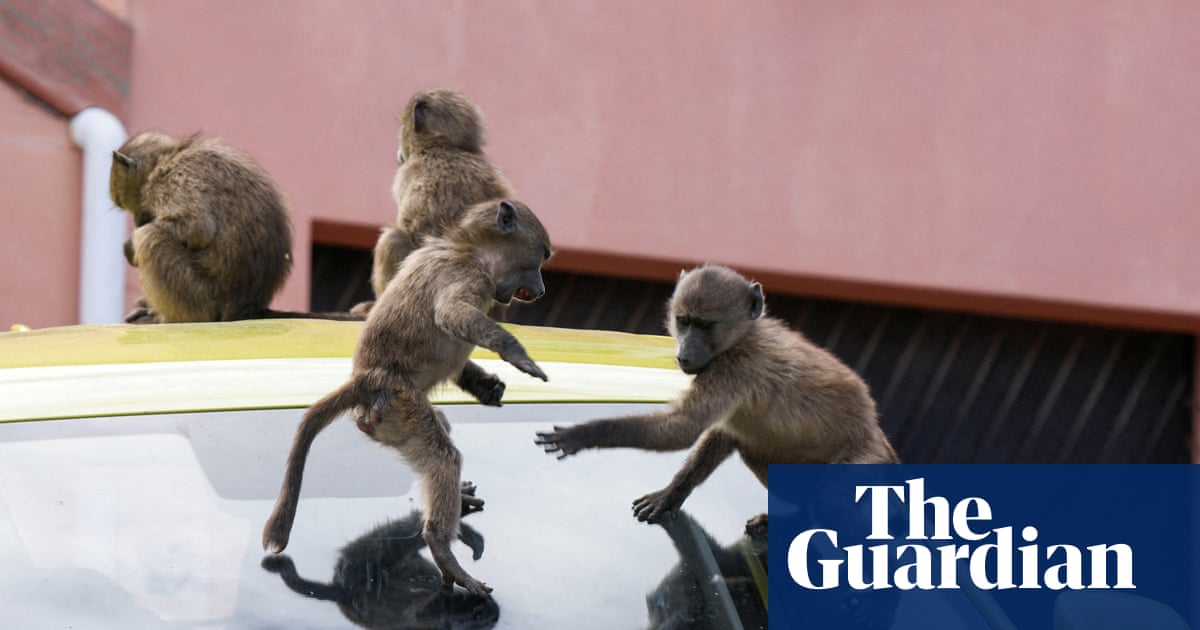
As a result of the population boom, troops of chacma baboons on the cityâÂÂs peninsula regularly rip off roof sheeting, sneak into unlocked cars and raid food pantries. Some monkeys are now staying up late into the night to break into homes in SimonâÂÂs Town and nab snacks from convenience stores. Residents can no longer barbecue or host garden parties for fear of the marauding baboons.

âÂÂItâÂÂs depreciated property values because itâÂÂs hard to sell a house when itâÂÂs covered in baboon faeces and paw prints, and you know theyâÂÂre coming every day,â said Justin OâÂÂRiain, a behavioural ecologist at the University of Cape Town who has long studied the local baboons.
Cape TownâÂÂs geography is partially to blame. Much of the problem is confined to the Cape Peninsula, a narrow sliver of land stretching from the city centre to Cape Point. Here, baboons are boxed in between the steep, protected area of Table Mountain national park and the sprawling urban development that stretches to the Atlantic Ocean.
âÂÂThe underlying issue is that baboons will seek low-lying land. That is their natural drive â itâÂÂs better access to water and more productive vegetation,â said Joselyn Mormile, who leads the Cape Baboon Partnership (CBP), a nonprofit organisation that works with the city and local conservation authorities to manage the baboons. âÂÂBut throughout the peninsula, weâÂÂve developed most of those places. ItâÂÂs a constant battle between the two.âÂÂ

Initially, the CBPâÂÂs 2025 management plan proposed to move four troops to a sanctuary. That was revised, Mormile said, to give two other troops living in the northern section of the peninsula âÂÂthe benefit of the doubt to see if they can adjust in that remaining space ⦠We believe that they could settle quite nicely.âÂÂ
The baboons have proved an especially divisive â and expensive â issue. Cape TownâÂÂs baboon management programme costs about 20m rand for 18 months (ã920,000), with full-time rangers watching over most of the troops to try to head off any trouble.
In addition to moving the Waterfall and Seaforth troops to a sanctuary, a baboon-proof northern boundary fence will be erected between urban areas and nearby mountains.
Animal rights activists, who have been staging peaceful protests for months, and some scientists say the city should build a fence to exclude the Waterfall and Seaforth troops rather than remove the animals from their environment.
However, OâÂÂRiain said it was likely that the baboons would simply move along to the next area of low-lying land where the fence ends, as there was not enough food for the baboons behind the proposed southern fenced area.
Opponents argue that removing the other baboons will cause long-term psychological distress and social disruption, and that the baboons play an important ecological role by dispersing plant seeds.
Chacma baboons are not considered endangered. And the welfare of the animals is already in question: baboons are being poisoned, hit by cars, chased by dogs and shot.

âÂÂNo one should ever shoot a baboon, but if people feel the authorities are not doing anything, they will take action â and that action is never nice,â OâÂÂRiain said. âÂÂJust a few days ago, a baboon was shot straight through the chest.
âÂÂHow many more millions of rand are we going to throw into these troops only to end up in exactly the same place in another 10 yearsâ time?â he said. âÂÂWhich is shocking baboon welfare, shocking baboon health, and a very poor quality of life for the people who are living in these areas.âÂÂ
Find more age of extinction coverage here, and follow the biodiversity reporters Rebecca Ratcliffe, Phoebe Weston and Patrick Greenfield in the Guardian app for more nature coverage.